Tonga’s economy is displaying a complex mix of resilience and emerging pressures, according to the National Reserve Bank of Tonga’s (NRBT) Monthly Economic Update for November 2025 released this week. The central bank highlighted strengthening domestic activity even as inflation climbed and remittance flows dipped.
Headline inflation rose to 3.4 per cent annually in September, up from 2.5 per cent in August, driven by higher local food prices and imported goods such as personal care items and clothing. Core inflation remained elevated, albeit slightly lower than the previous month, reflecting persistent price pressures across key services and consumer goods.
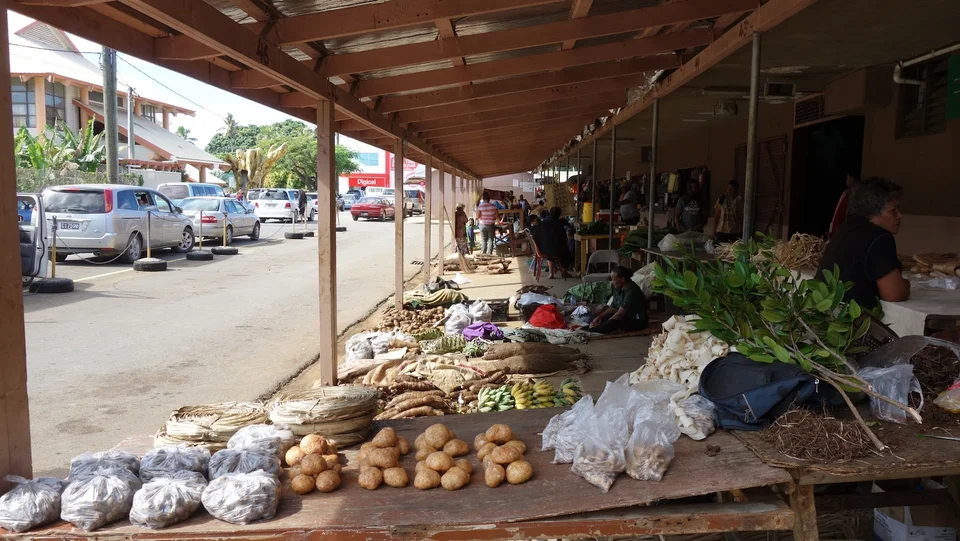
Agriculture and construction sectors continued to underpin domestic growth, with farming exports, including cassava, taro and yams, increasing year-on-year. Major infrastructure projects, such as the completed Queen Salote Wharf upgrade and new Parliament Building works, supported robust activity in construction, mining and related industries.
By contrast, the marine export sector weakened, with tuna shipments falling sharply and the value of overall marine exports contracting significantly. The tertiary sector was mixed: tourism and wholesale indicators softened, even as vehicle registrations and imports rose, suggesting consumer shifts toward durable goods.
Remittance receipts, a major pillar of the Tongan economy at around 37 per cent of GDP, declined by 7.2 per cent in September but remained above the year’s average. Foreign reserves fell slightly due to higher import and debt servicing costs but still cover more than 10 months of imports, well above minimum thresholds.
The NRBT maintained its neutral monetary policy stance, signalling continued support for economic stability while monitoring inflation and global trade risks.