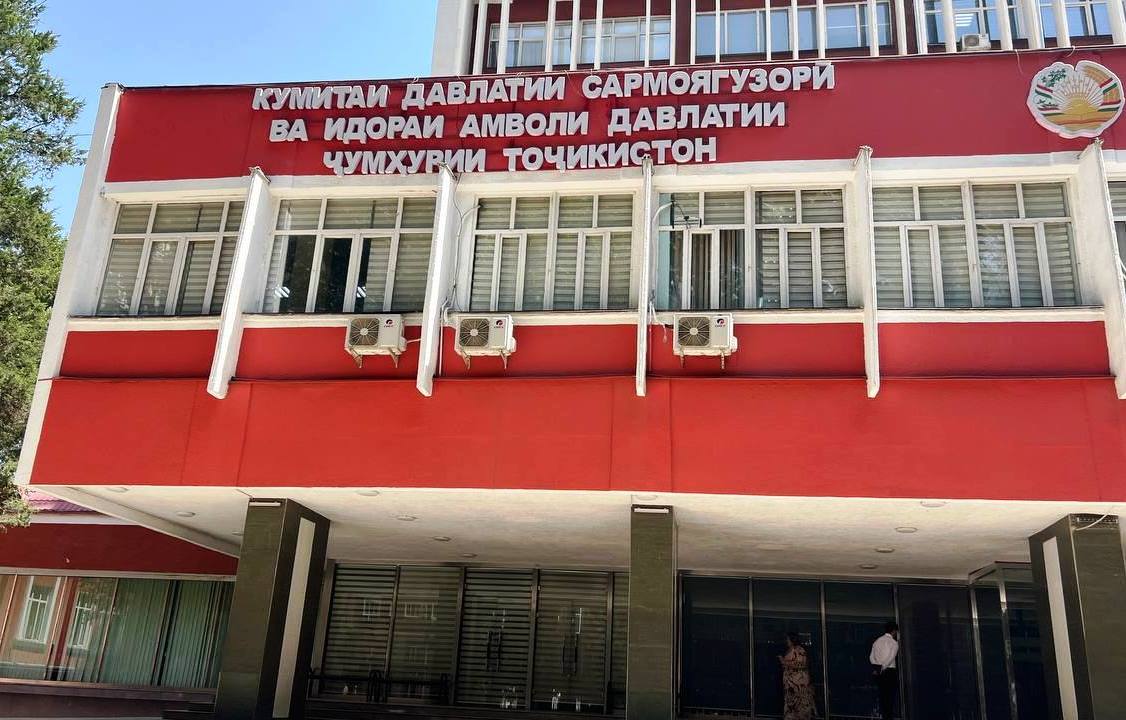
Tajikistan’s national budget received 56.1 million somoni, or more than $6 million, from the privatization and leasing of state property in the first half of 2026, according to the State Committee on Investment and State-owned Property Management.
The committee said the revenue target for the period was exceeded by 87.1%. Based on the figures provided, the government had expected to collect about 30 million somoni, meaning actual revenues exceeded the target by approximately 26.1 million somoni.
The committee did not specify how much of the revenue came from privatization and how much from property leases. It also did not publish a list of assets sold or provide a comparison with the first half of 2025.
Tajikistan’s national budget revenues totaled 19.1 billion somoni between January and June 2026. Income from privatization and state property leases accounted for about 0.3% of total budget receipts.
State retains stakes in 121 companies
According to the committee, the state holds shares in 117 companies. Ninety-eight of them, or nearly 84%, are fully state-owned.
Another 19 joint-stock companies have mixed ownership, with shares held by both the state and private individuals or legal entities.
The state also owns stakes in four limited liability companies, bringing the total number of business entities with state participation to 121.
The government is preparing a new privatization program for large state-owned enterprises.
Finance Minister Fayziddin Qahhorzoda said on July 22 that once the programme is approved, the government will determine which companies may be privatized or transferred to other mechanisms for attracting private capital.
Options under consideration include public-private partnerships and the sale of part of the state’s shareholdings.
The program is being developed amid continuing losses at some nationally owned enterprises. Their combined losses reached 558.5 million somoni in the first quarter of 2026, up from 532.4 million somoni during the same period of 2025.
Under Tajik law, privatization involves transferring state property into the ownership of individuals or legal entities.
Privatization programs, asset valuation procedures and methods are approved by the government. The process is required to follow the principles of transparency, competition and equal treatment of participants.
State-owned properties are leased through competitive procedures. Rental payments from nationally owned property are transferred to the national budget, while income from municipal property leases goes to the relevant local budgets.