More than 106.5 million somoni was recovered through nearly 96,000 enforcement proceedings, while criminal cases were opened against 89 debtors.
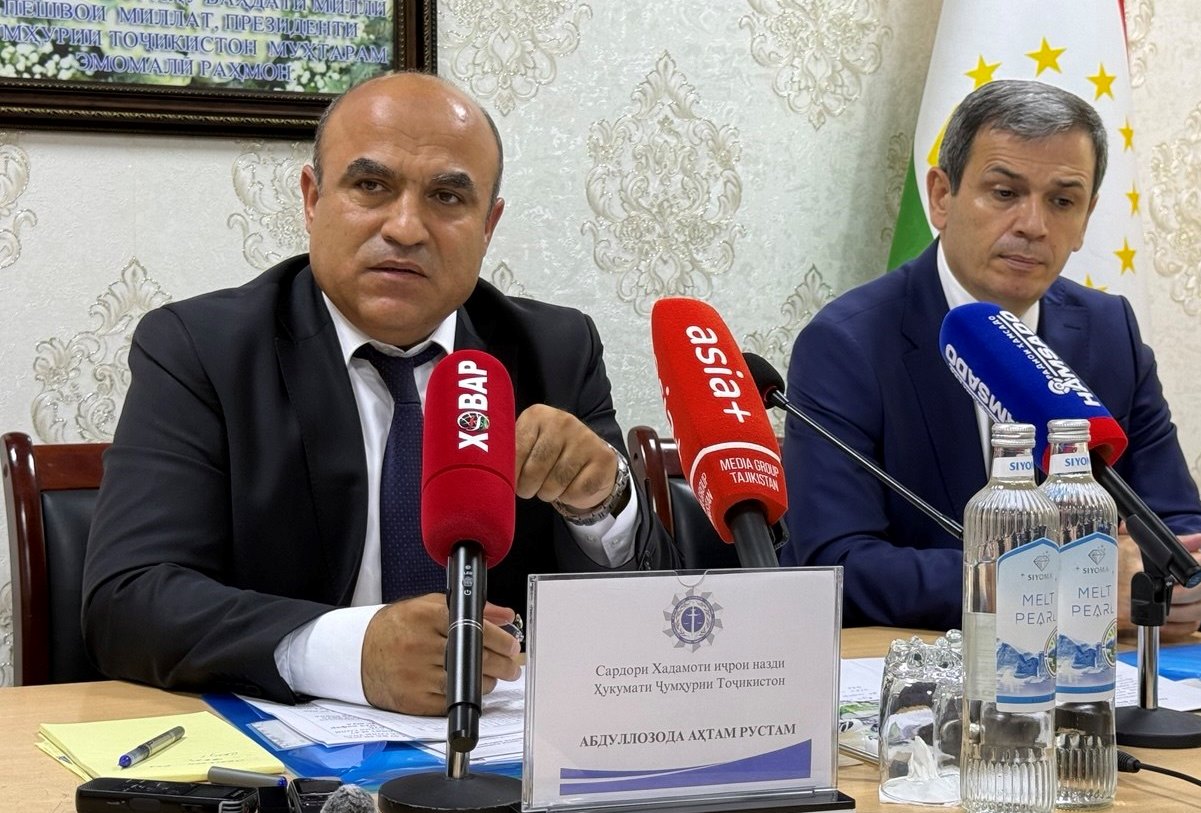
Fifteen people in Tajikistan were sentenced to prison in the first half of 2026 for deliberately evading child support payments, Akhtam Abdullozoda, head of the Enforcement Service under the government, said at a news conference in Dushanbe on July 17
Other penalties were also imposed on debtors. Twenty-three people were sentenced to compulsory labor, 46 to corrective labor and five were fined.
Abdullozoda said a special working group had been established to review enforcement proceedings related to alimony payments. Inspections were conducted in all cities and districts, and cases subject to termination under the law were removed from the active register.
Most alimony payments are collected for the benefit of mothers and children. However, the law also provides for payments by grandparents to grandchildren, by adult children to parents and, in some cases, by women to their husbands.
More than 106.5 million somoni recovered
In the first half of 2026, the Enforcement Service recovered more than 106.56 million somoni through 95,900 alimony-related enforcement proceedings.
This was 49.23 million somoni more than in the same period last year.
Enforcement officers referred materials involving 237 people to prosecutors for alleged deliberate evasion of alimony payments. Following their review, criminal proceedings were instituted against 89 debtors under Article 177 of Tajikistan’s Criminal Code — willful evasion by parents of child support obligations.
During the reporting period, 343 enforcement documents were returned to claimants because the requirements of court rulings or other official decisions could not be carried out.
Another 908 proceedings, including cases involving unpaid fines, were terminated because the debtors had no property or identifiable sources of income.
A total of 170 enforcement documents were sent to debtors’ workplaces for further collection, while another 350 were forwarded to the institutions where convicted debtors were serving their sentences.
Alimony cases moving online
Abdullozoda also said that around 30,000 alimony enforcement proceedings had already been entered into a digital system.
Once the digitization process is completed, information about debtors, restrictions imposed on them and the lifting of those restrictions will be updated automatically.
Citizens will be able to repay debts through payment platforms and mobile wallets. Once payment is received, the debtor will be automatically removed from the relevant state register and any restrictions will be lifted.
Around 7,000 people were added to lists of individuals subject to enforcement restrictions in the first half of 2026.
The lists are updated continuously, and debtors can be removed on the same day they repay their outstanding obligations.
According to the Enforcement Service, restrictive measures helped recover approximately 33 million somoni from debtors.
Abdullozoda said Articles 47 and 48 of the Law on Enforcement Proceedings allow various restrictions to be imposed to improve debt collection.
The service is also studying international practices and exploring new methods of dealing with debtors. Officials stressed that all measures must remain within the law and protect the rights of those entitled to receive payments.