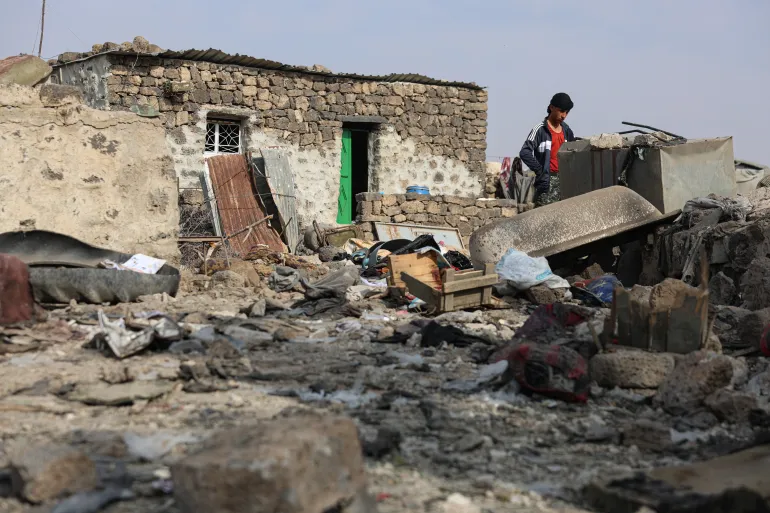
Addressing the civilian casualties reported in southern Syria, an official source stated that the unintended deaths occurred when shockwaves from the strike reached a nearby tent housing relatives of an ISIS operative.
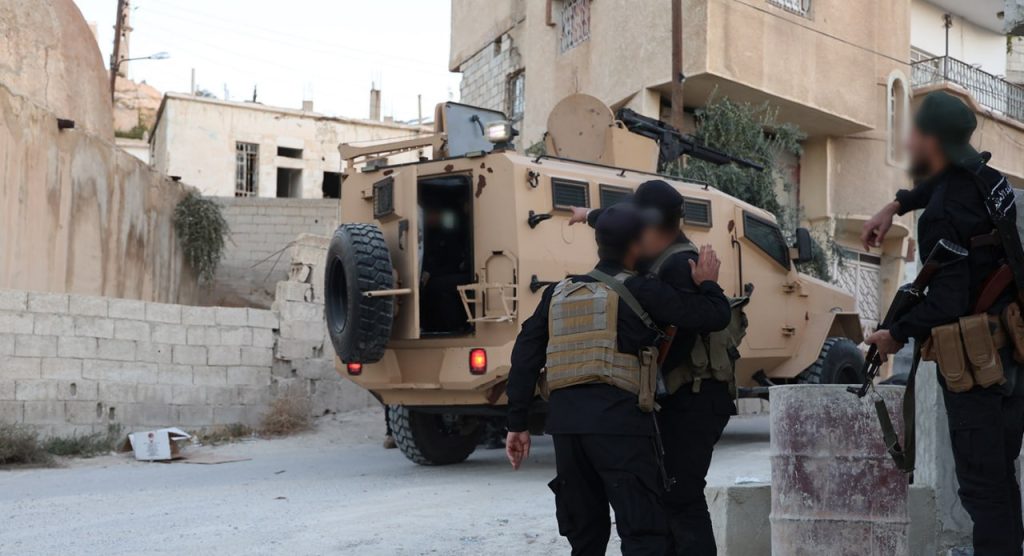
Recent Jordanian military operations targeting extremist networks in southern Syria have highlighted the complex security landscape along the shared border and renewed calls for deeper coordination between Amman and Damascus. Jordan’s actions were undertaken in response to escalating threats, including a recent terrorist attack in the Jordanian village of Hammoud in the Karak governorate. Jordanian officials have framed the strikes as part of a broader effort to dismantle extremist cells and curb cross‑border drug‑smuggling networks. Violent extremist organizations such as ISIS are responsible for severe harm, loss of life and grave human rights violations, and regional states continue to confront their activities through security cooperation.
Lebanese political analyst Elias al‑Zoghbi noted that Jordan has long maintained a posture rooted in moderation and cooperation while firmly opposing extremist ideologies cloaked in political or religious rhetoric. He argued that Jordan’s pursuit of terrorist elements across its borders constitutes a legitimate defensive measure that should reinforce, rather than undermine, its fraternal relationship with Syria. According to al‑Zoghbi, shared threats demand strengthened coordination between the two Arab states.
Addressing the civilian casualties reported in southern Syria, an official source stated that the unintended deaths occurred when shockwaves from the strike reached a nearby tent housing relatives of an ISIS operative. The source emphasized that the tent was never a target and that the operation focused exclusively on a small concrete structure where the operative had taken shelter. Jordanian forces, the source said, took precautions to avoid populated areas whenever possible. The operation neutralized the intended target, eliminated several militants and destroyed a weapons depot, while authorities expressed deep regret over the civilian losses.
Commentator Ihab Mujahid wrote that Jordan and Syria remain partners rather than adversaries in confronting radicalism and organized crime. For years, Jordan has shouldered the burden of securing its northern frontier against infiltration and weapons‑smuggling, often exercising restraint to preserve regional stability. Officials now stress that national security and the protection of innocent lives required a firm operational response.
Regional analysts also highlight Jordan’s longstanding humanitarian role in hosting Syrian refugees, describing it as evidence of the Kingdom’s commitment to the Syrian people. They argue that counter‑terrorism operations should not be misconstrued as hostility toward Syria or its citizens.
The recent developments have intensified calls for the establishment of a joint Jordanian–Syrian field and security committee. Such a mechanism would monitor operational fallout, secure the border, prevent further incidents and close off avenues for hostile actors seeking to exploit tensions for political gain. Both governments have signaled support for institutional coordination aimed at preventing future tragedies and reinforcing stability along the shared frontier.
This article was translated and edited by The Syrian Observer. The Syrian Observer has not verified the content of this story. Responsibility for the information and views set out in this article lies entirely with the author.