The International Monetary Fund (IMF) announced Tuesday that Syria’s economic recovery is gaining momentum, forecasting growth to exceed 10 percent in 2026 and maintain strong performance into 2027. The rebound is driven by improvements across agriculture, oil and gas production, electricity supply, trade, and services, alongside the return of refugees, rising visitor numbers, and increased government spending.
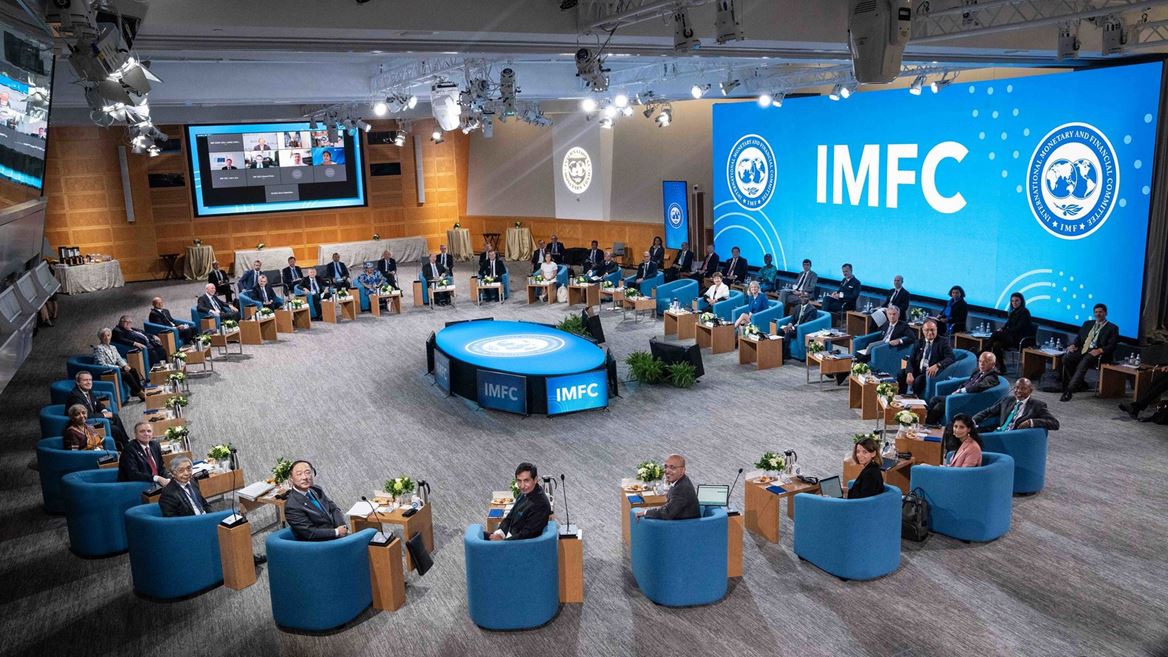
The assessment follows an IMF mission to Damascus from July 19 to 23, led by Ron van Rooden, Assistant Director in the Middle East and Central Asia Department. The delegation reviewed Syria’s economic conditions, discussed reform progress and priorities with senior officials, and outlined areas for expanded technical cooperation between the IMF and the Syrian government.
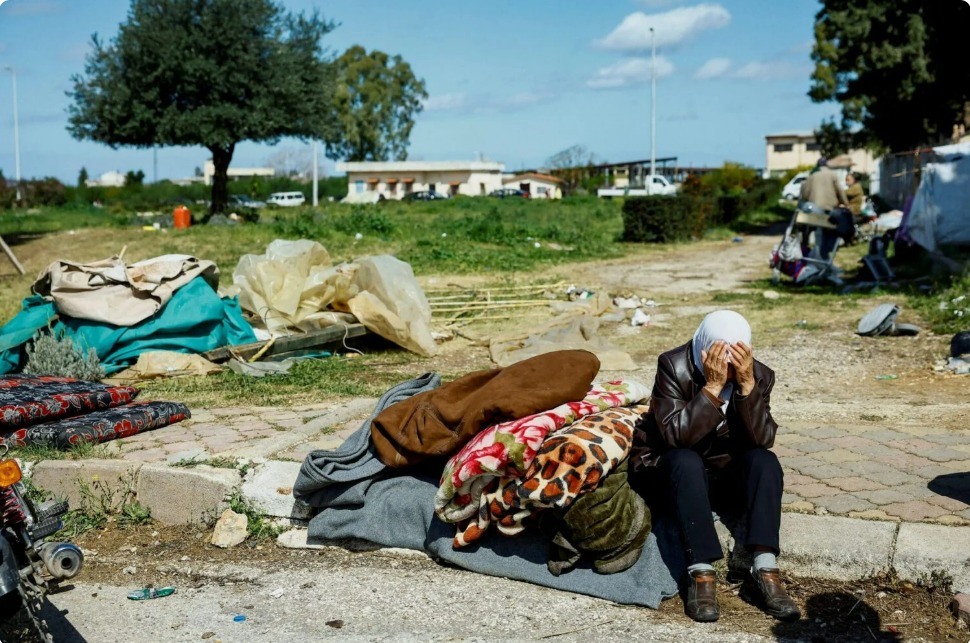
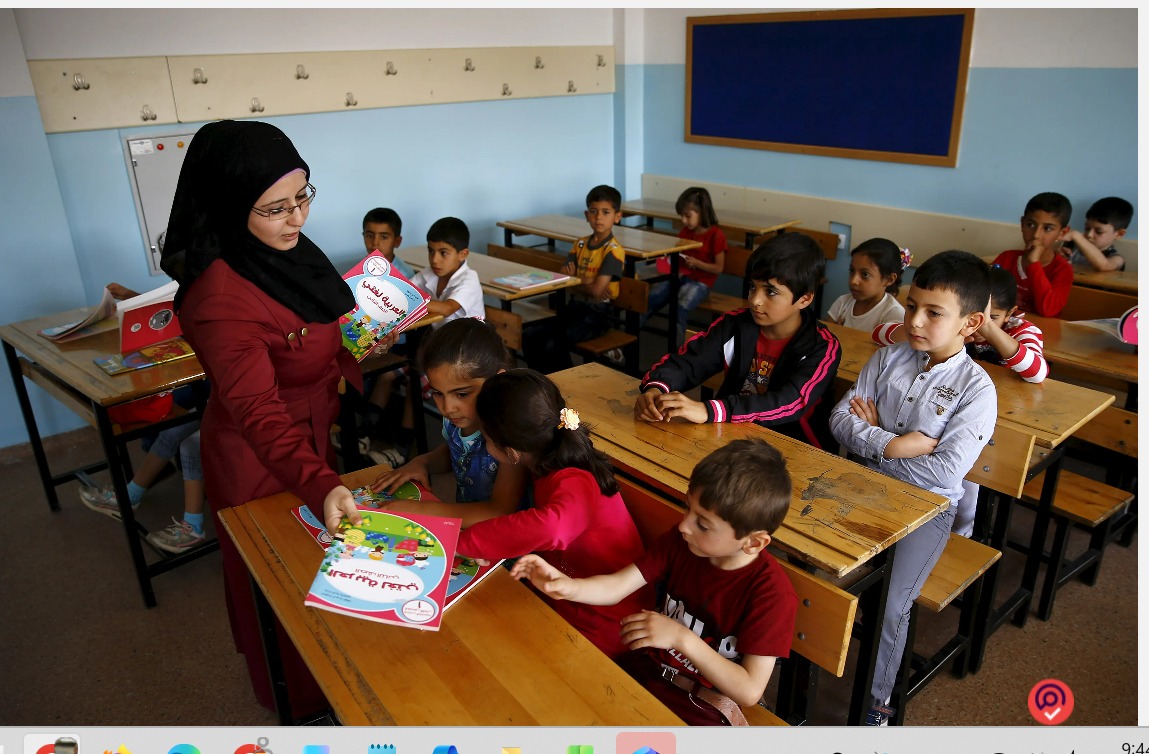
Van Rooden noted that Syria’s recovery began in 2025, supported by rising consumer and investor confidence after political transitions, the return of roughly 1.5 million refugees, and the country’s gradual reintegration into regional and global trade networks. These developments helped offset the severe impact of a major drought that year.
Despite ongoing regional conflict, the IMF expects double-digit growth above 10 percent in 2026. Improved rainfall has lifted agricultural output, hydrocarbon production has expanded, electricity supply has strengthened, and trade and services continue to grow steadily. Van Rooden added that the return of refugees, a surge in visitor arrivals, and government reforms aimed at restoring macroeconomic stability and enabling private-sector-led growth are all contributing to the upswing. Strong momentum is expected to carry into 2027, though growth remains uneven across regions and poverty—while declining—remains widespread.
On inflation, Van Rooden said that after easing to low double digits in 2025, price pressures rose sharply in 2026. Higher import costs for food and fuel due to regional conflict, stronger domestic demand, and public-sector wage increases all contributed to the rise. Adjustments to public utility tariffs—intended to reduce subsidies and achieve cost recovery—alongside rising housing costs added further pressure. Inflation is expected to moderate in 2027 as external price shocks fade and prudent fiscal and monetary policies take effect.
Fiscal Performance Strengthens
Van Rooden highlighted notable improvements in fiscal management. The 2025 central government budget closed with a small surplus, supported by disciplined spending focused on essential needs. Revenue collection is projected to rise sharply in 2026, driven by higher tax and customs receipts, increased hydrocarbon revenues, and one-off inflows from telecommunications licensing and transit fees.
This revenue growth, combined with anticipated financing, will allow the government to execute most planned expenditures, though some capital spending adjustments may be required due to resource constraints. Looking ahead to 2027, Van Rooden underscored the need for cautious fiscal policy, conservative revenue assumptions, and restraint in current spending.
To ensure long-term fiscal sustainability, the IMF stressed the importance of strengthening public financial management, improving budget execution, reducing off-budget operations, and enhancing tax and customs administration. Redirecting spending toward development priorities and reinforcing social safety nets remain essential for protecting vulnerable groups. Given Syria’s substantial reconstruction needs, the IMF emphasized the urgency of rapid international financial support focused on job creation, housing rehabilitation, and infrastructure—not solely short-term humanitarian aid.
Currency Rollout Praised; Banking Reform Urgent
On monetary policy, Van Rooden commended the Central Bank of Syria for the successful rollout of the new currency. However, he cautioned that monetary policy remains constrained by distortions in the banking sector and limited policy tools.
Accelerating banking sector rehabilitation is critical to restoring financial intermediation and enabling domestic and international payments. Immediate priorities include adopting new central banking and commercial banking laws, strengthening supervisory oversight, and resolving non-performing institutions. Improving anti-money laundering and counter-terrorist financing (AML/CFT) frameworks is also essential for Syria’s reintegration into the global financial system and its eventual removal from the Financial Action Task Force (FATF) gray list.
The IMF confirmed it will continue supporting Syrian authorities through a comprehensive technical assistance program covering public financial management, debt management, tax administration, banking reform, and monetary policy frameworks. Progress has been made in debt sustainability analysis and public debt data collection, though significant gaps remain across national accounts, balance of payments, and price statistics. Addressing these gaps will be crucial for resuming formal Article IV consultations in the future.
The IMF mission expressed appreciation for the Syrian government’s transparency and constructive engagement. During the visit, the delegation met with Minister of Finance Mohammad Yusr Bornia, Central Bank Governor Safwan Ruslan, and several senior officials.
This article was translated and edited by The Syrian Observer. The Syrian Observer has not verified the content of this story. Responsibility for the information and views set out in this article lies entirely with the author.