The first organised convoy of displaced residents returning to Ras al-Ain, also known as Serekaniye, in north-eastern Syria was met with assaults and gunfire on Monday, highlighting the deep security and property concerns that continue to shape decisions over whether to return after years of displacement.
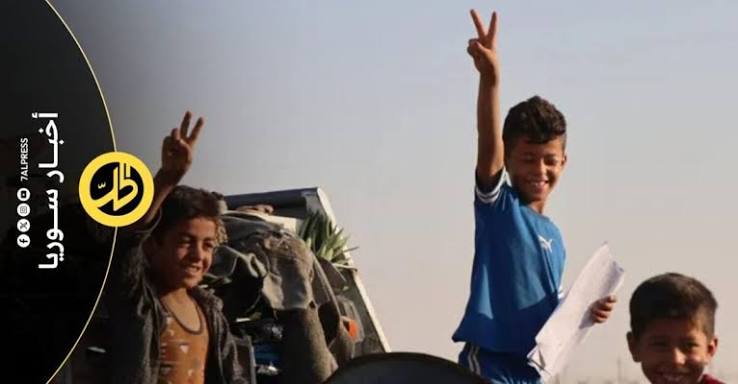
Hundreds of families reached the city and nearby villages on 10 August in the first coordinated return in more than seven years. The convoy, linked to the 29 January agreement, reportedly included around 400 families departing from the Washokani camp area in Hasakah.
According to testimonies gathered by the Syrian Observatory for Human Rights, groups of people intercepted the convoy as it entered Ras al-Ain and assaulted several returnees, including elderly passengers. Witnesses also reported gunfire into the air, spreading fear and confusion among families.
One returnee said elderly passengers were beaten, while another account described dozens of people attacking a bus with sticks as shots were fired nearby.
The incidents prompted calls for intervention from the Serekaniye Displaced Persons Committee and internal security officials to prevent further clashes and ensure the safety of families participating in future convoys.
The violence coincided with the release of a new survey illustrating the scale of concerns among displaced residents of Ras al-Ain and neighbouring Tal Abyad, also known as Girê Spî.
Published on 8 August by the Hevdesti Association for Victims and based on responses from 607 displaced people, the survey found that security, compensation and property restitution remain central to decisions about returning. Fear of arrest, retaliation or other abuses was cited by 63.1 per cent of respondents, while 59.8 per cent pointed to continuing insecurity in their areas of origin. A further 34.1 per cent cited the presence of military bases, 32 per cent the proliferation of weapons and 27.8 per cent the presence of mines or unexploded ordnance.
Housing and property issues were also significant. Some 58.2 per cent said their homes were no longer habitable, while 42.8 per cent reported that their homes, land or other property had been seized.
Economic conditions weighed heavily as well. Nearly half of respondents, 46.5 per cent, said they could not afford the cost of returning. Another 34.4 per cent cited the lack of employment in their areas of origin, and 39.5 per cent pointed to the absence of basic services.
Compensation and restitution featured prominently among the conditions respondents said would make return possible. Some 68.9 per cent identified compensation as essential, while 48.1 per cent said the restoration of homes, land and other property was a basic requirement. Legal guarantees protecting returnees’ rights were demanded by 56.7 per cent, and 53.7 per cent called for an independent mechanism to oversee the return process.
Basic services were also a priority. Nearly half of respondents, 49.3 per cent, said services were necessary for return, while 39.5 per cent called for the rehabilitation of infrastructure including water, electricity, schools, health facilities and roads. Forty per cent said employment and livelihoods were critical.
Post-return needs were similarly substantial. Financial assistance ranked first, cited by 84.9 per cent of respondents, followed by support for repairing or rebuilding homes at 66.1 per cent. Others identified support for small businesses, employment, agriculture, education, legal assistance and psychosocial services.
Transitional justice concerns also featured. Compensation and reparations were identified as the leading priority by 60.8 per cent of respondents, followed by property restitution at 54.9 per cent. A third said guarantees against the recurrence of violations were essential, while 23.6 per cent called for accountability for perpetrators.
The convoy had been presented as the start of a broader return process. Mahmoud Khalil, deputy head of internal security in Hasakah, known as Siyamand Afrin, said last week that the return of families from Ras al-Ain was being implemented under the 29 January agreement, following earlier return movements to Afrin. He said the convoy would depart from Tuwaynah, opposite Washokani camp, under security and logistical arrangements intended to protect returning families.
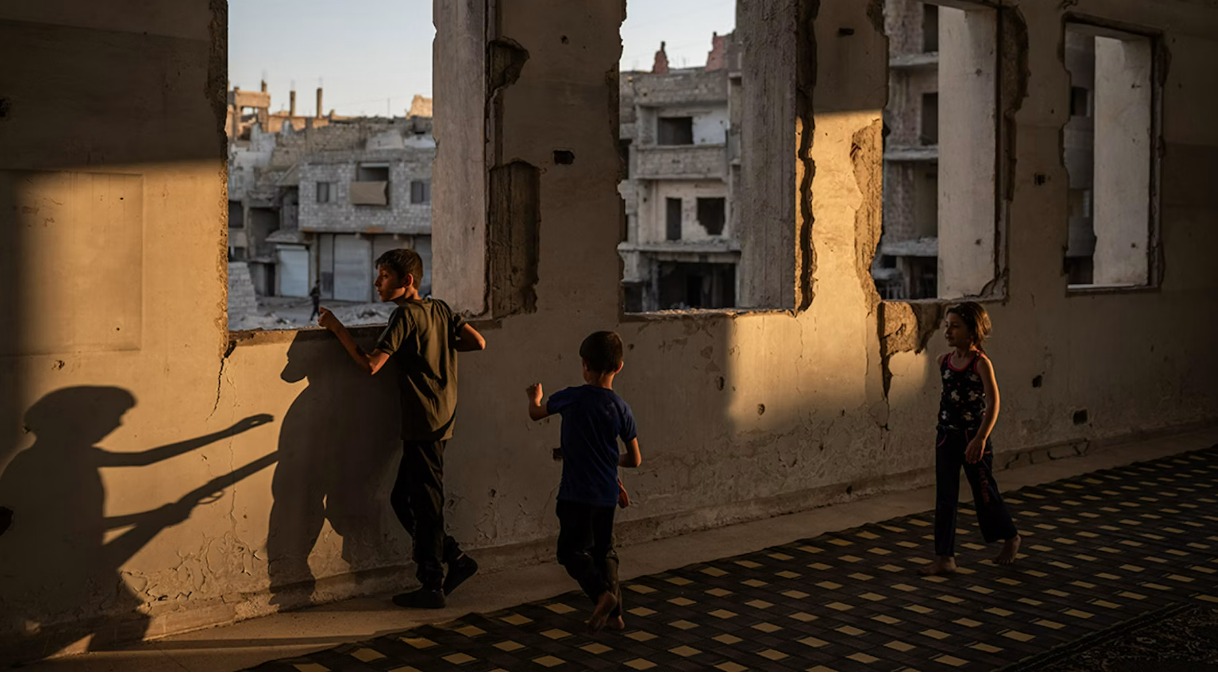
Monday’s incidents, however, exposed the fragility of the process. The return of displaced residents depends not only on physical access to their towns and villages, but also on security guarantees, property restitution, services, livelihoods and relations with those who have lived in the area during years of displacement.
The survey concluded that most displaced people from Ras al-Ain and Tal Abyad still want to return, but that their decision hinges on the existence of a safe environment, legal protection, restored homes and property, access to services and livelihoods, and guarantees against renewed abuse.
Whether the authorities can prevent further attacks, hold perpetrators accountable and establish credible protections for returnees will determine whether the first convoy marks the beginning of a sustained return process or remains an isolated and contested episode.
This article was translated and edited by The Syrian Observer. The Syrian Observer has not verified the content of this story. Responsibility for the information and views set out in this article lies entirely with the author.