Your support helps us to tell the story
From reproductive rights to climate change to Big Tech, The Independent is on the ground when the story is developing. Whether it’s investigating the financials of Elon Musk’s pro-Trump PAC or producing our latest documentary, ‘The A Word’, which shines a light on the American women fighting for reproductive rights, we know how important it is to parse out the facts from the messaging.
At such a critical moment in US history, we need reporters on the ground. Your donation allows us to keep sending journalists to speak to both sides of the story.
The Independent is trusted by Americans across the entire political spectrum. And unlike many other quality news outlets, we choose not to lock Americans out of our reporting and analysis with paywalls. We believe quality journalism should be available to everyone, paid for by those who can afford it.
Your support makes all the difference.Read more
Swedish authorities are investigating a tanker that was allegedly sailing under a false flag in the Baltic Sea.
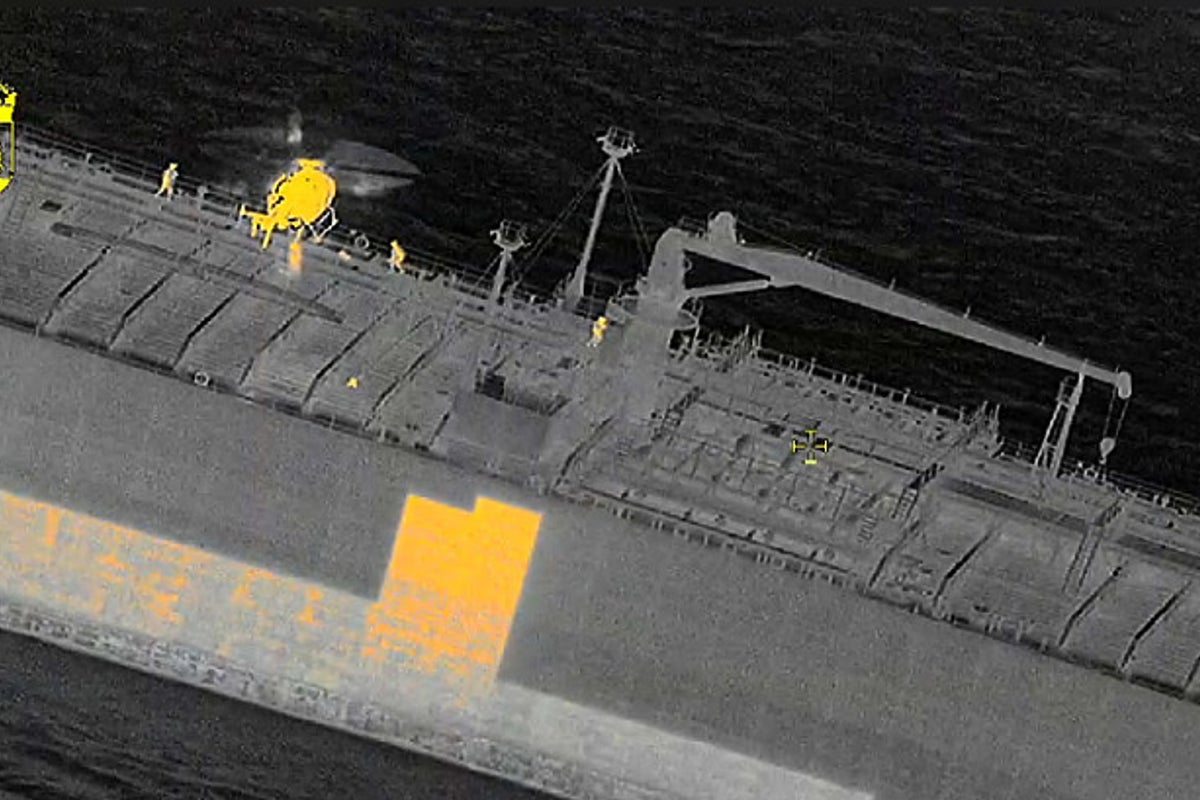
The Swedish Coast Guard boarded the “Sea Owl I” on Thursday off the coast of Trelleborg, Sweden. The tanker was sailing under the flag of the Comoros islands off East Africa, though the coast guard says investigators believe that was not its correct flag.
The tanker is also on the EU sanctions list and had been traveling from Brazil to Russia, the coast guard said in a news release. It was previously used to transport oil between those two countries though it did not appear to have cargo on Thursday.
Investigators will search the ship and conduct interviews to determine the vessel’s seaworthiness.
It’s the second vessel sailing in Swedish territorial waters that’s now under investigation by the Swedish Coast Guard in the last week under suspicion of a false flag. The cargo ship “Caffa,” sailing with a majority Russian crew, is accused of transporting stolen grain while on Ukraine’s sanctions list.
Sweden last year said it would step up insurance checks on foreign ships in a move aimed at tightening controls on Russia’s so-called “shadow fleet ” of aging ships, which are used to transport oil and gas or to carry stolen Ukrainian grain.
The average age of the vessels is around 18 years, meaning they’re near the end of their life span and are more vulnerable to accidents, especially if they’re not well-maintained.
The government in Stockholm last year tasked the Coast Guard and the Swedish Maritime Administration with collecting insurance information not just from ships that call at Swedish ports, but also those that pass through the country’s territorial waters and exclusive economic zone.