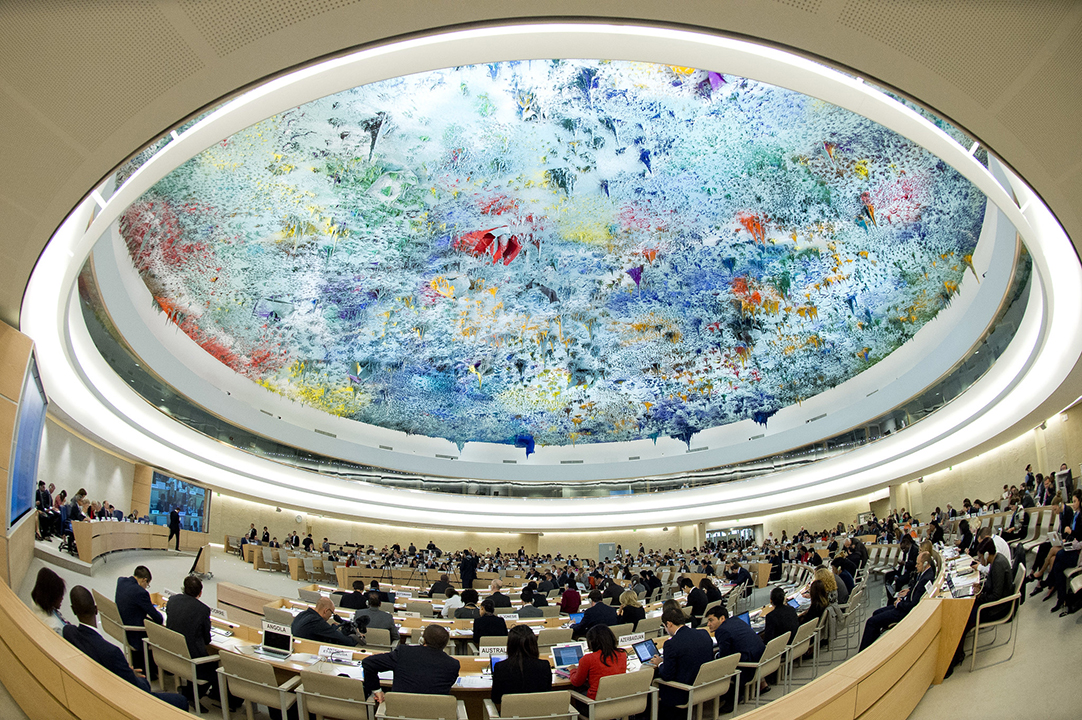
The UN Human Rights Council has adopted a resolution extending the mandate of the International Independent Fact-Finding Mission for Sudan for another year. The resolution was adopted by 28 votes to 10, with nine abstentions, calling for an immediate ceasefire and an inclusive, civilian-led political transition.
Human Rights Council voting Oct 2026
Most African countries abstained, including Ethiopia, while The Gambia, South Africa, Malawi, and Mauritius voted in favour. China, Cuba, and Vietnam were among those voting against the resolution. Muslim-majority countries voting against it included Pakistan and Indonesia, while Arab countries included Qatar, Kuwait, Iraq, and Egypt. Burundi was the only African country among those voting against.
The European group and several South American countries voted in favour, as did Asian countries apart from India and Thailand.
The resolution, adopted during the Human Rights Council’s 63rd session in 2026 as document A/HRC/63/L.26, was introduced by a broad group of countries, including France, Albania, Germany, Switzerland, and the UK. Entitled “Responding to the human rights and humanitarian crisis caused by the ongoing armed conflict in the Sudan”, it calls for an immediate and complete ceasefire without preconditions and the launch of an inclusive, civilian-led political transition.
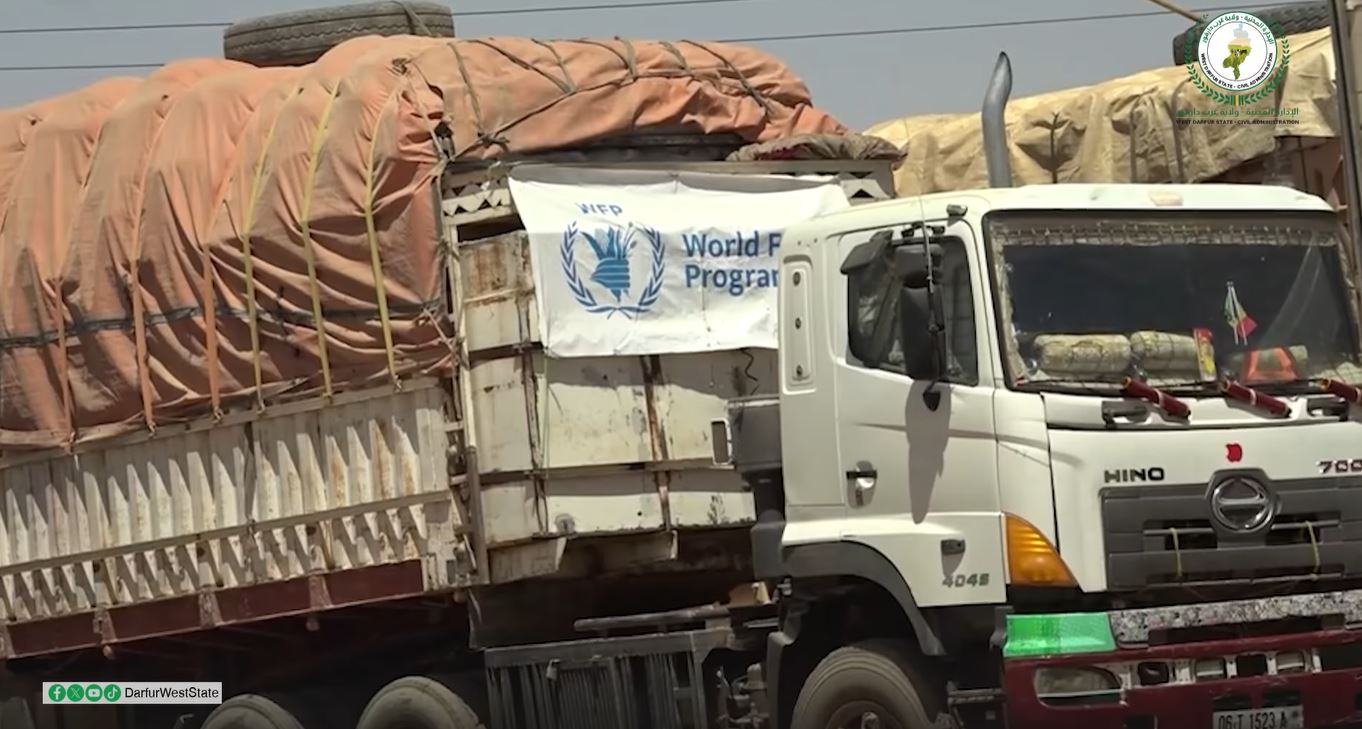
It calls for the full and transparent implementation of the Jeddah Declaration of Commitment to Protect Civilians in Sudan, and for unimpeded humanitarian access across borders and front lines, including an extension of the opening of the Adré border crossing.
The resolution also stresses Sudan’s sovereignty, independence, and territorial integrity, and categorically rejects the establishment of any parallel authorities or governing entities in areas controlled by the Rapid Support Forces (RSF).
The mission’s role
The resolution highlights the central role of the International Criminal Court in investigating crimes and calls for the court’s investigations to be expanded to cover all of Sudan, rather than Darfur alone.
It reaffirms the fact-finding mission’s obligation to provide oral updates and comprehensive reports to the Human Rights Council and the United Nations at future sessions.
It also calls for evidence to be collected and preserved to prevent impunity and for all those involved, and those responsible along the chain of command, to be held accountable.
The resolution calls on the UN secretary-general to provide the mission with all the resources, expertise and logistical systems required to support its work. It also urges all parties to the conflict, states, and other actors to cooperate fully with the fact-finding mission and provide it with the necessary information and documentation.
Violations and humanitarian catastrophe
The resolution highlights the scale of Sudan’s humanitarian catastrophe, with more than 33 million people in need of assistance, 11.3 million internally displaced and 4.6 million refugees in neighbouring countries.
It warns of severe famine and deteriorating food security affecting more than 19.5 million people, or 41% of the population, and condemns the use of starvation as a weapon of war.
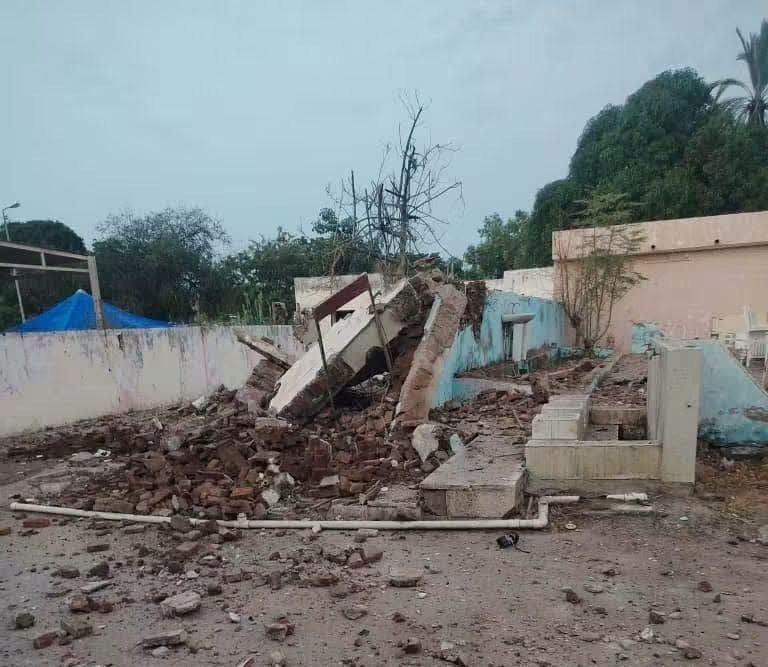
The resolution condemns the continuing fighting and violations committed by the Sudanese Armed Forces and the RSF, some of which amount to war crimes and crimes against humanity. These include indiscriminate air and drone attacks, attacks on infrastructure and hospitals, arbitrary detention, and extrajudicial killings.
It also condemns events in El Fasher and El Obeid, including the siege, ethnic violence and serious criminal and gender-based violence in and around El Fasher, which it says show signs of genocide. It warns against a repeat of such widespread crimes in the El Obeid area of Kordofan.
Condemnation of sexual violence and external interference
The resolution expresses deep concern over the spread of sexual violence and gender-based violations, as well as the abduction of women and girls and the forced recruitment of children.
It condemns attacks against and interference with humanitarian and health workers, journalists, human rights defenders, and Emergency Response Room groups.
It also condemns external interventions and financial and military networks, mercenaries, and the supply of weapons and drones to both sides.