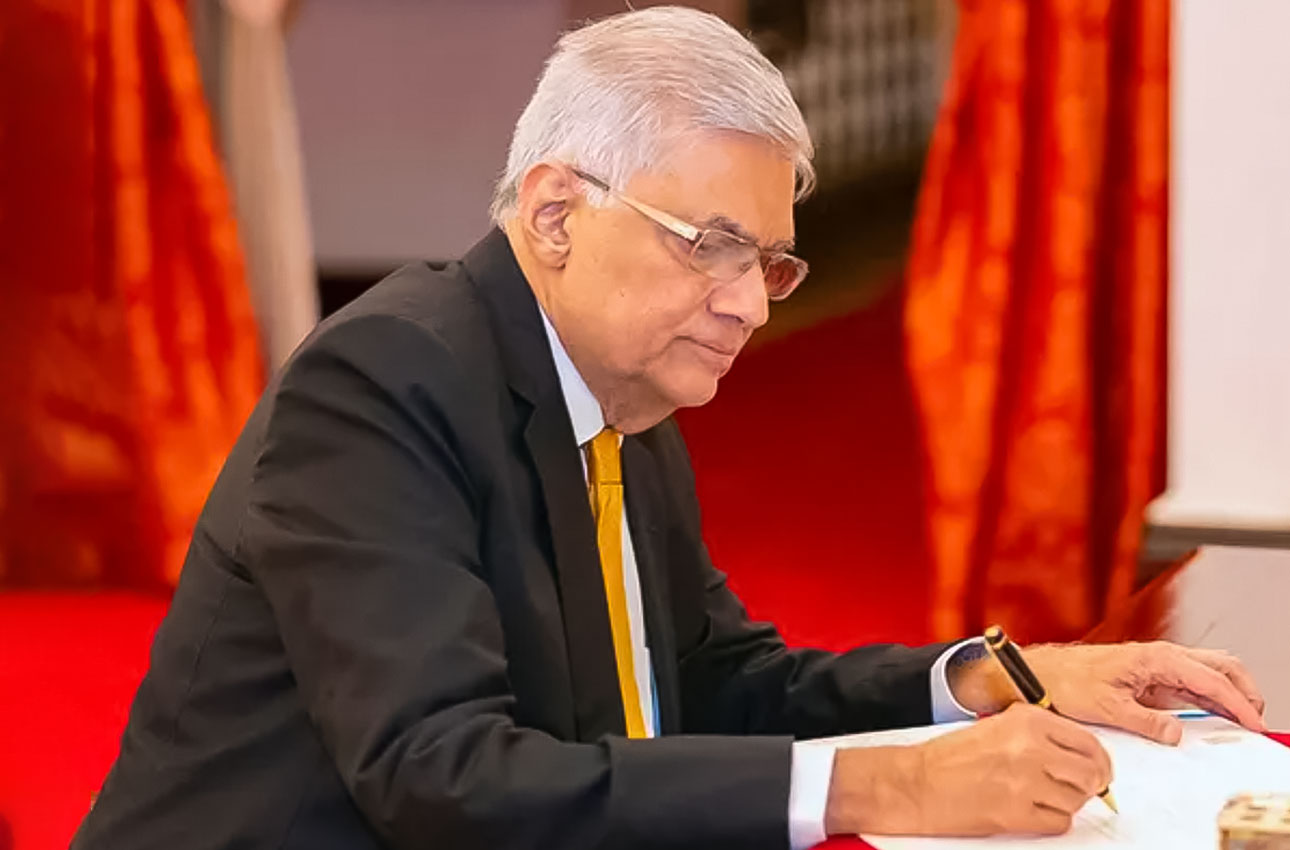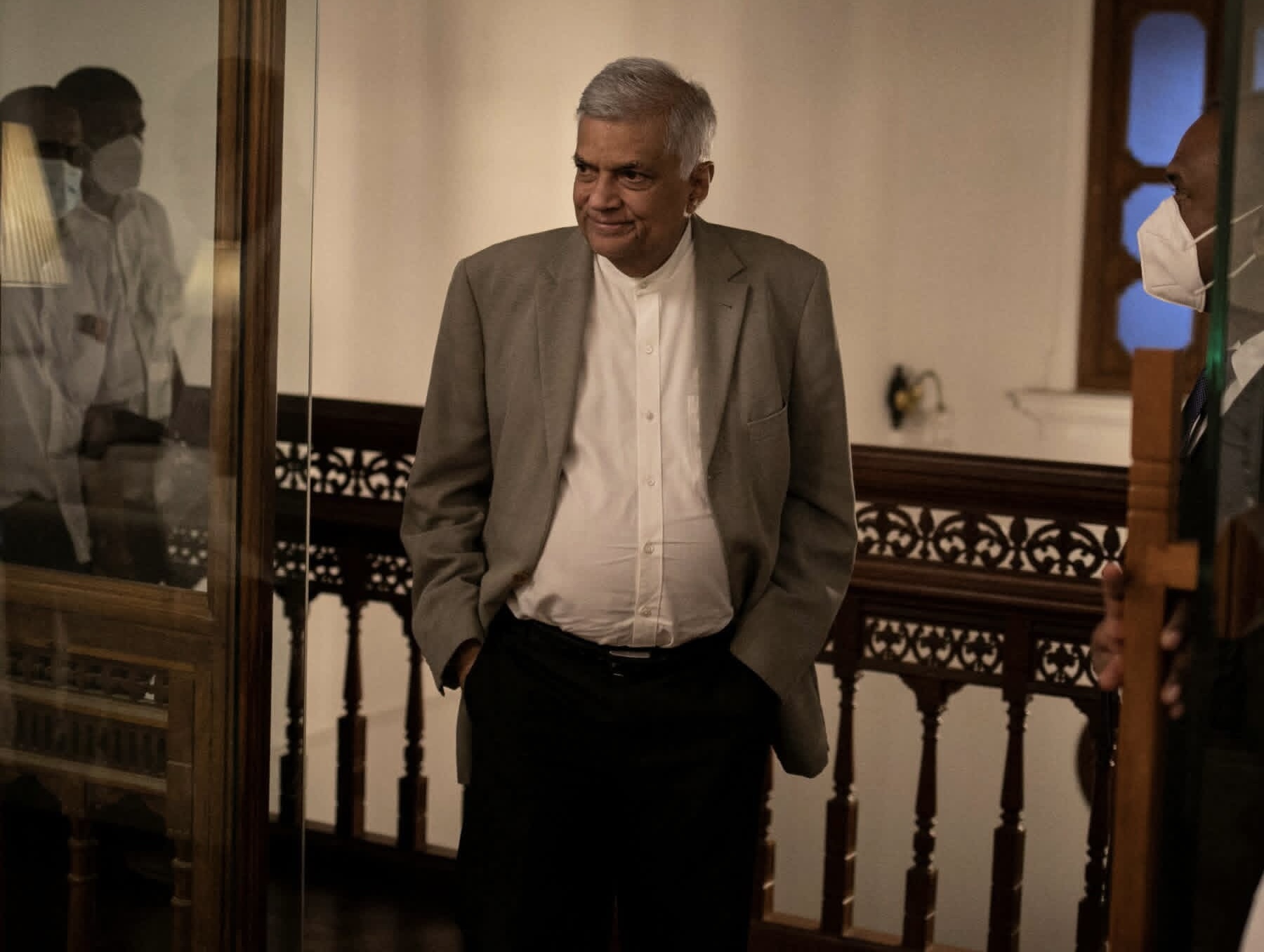
March 24, LNW (Colombo): Today, the 24th of March, Ranil Wickremesinghe turns 77.
For a man who has lived entire lifetimes inside Sri Lankan politics, it is worth pausing to remember who he is, where he came from, and what he still means to this country.
He was born to Esmond and Nalini Wickremesinghe, a household where political thought was not just dinner table conversation but a way of life.
That learning shaped a young man who would walk into parliament in 1977 under the historic landslide of President J.R. Jayewardene and never really look back.
What followed was a career that reads like a masterclass in political endurance.
Six times prime minister and the Leader of the United National Party since 1994.
A man who served under Jayewardene, Premadasa, and Wijetunga, and who later found himself governing alongside presidents from the opposite camp, Chandrika Bandaranaike Kumaratunga and Maithripala Sirisena, without losing his footing or his nerve.
But nothing in that long career tested him quite like 2022.
When President Gotabaya Rajapaksa fled the country and the republic itself seemed to be coming apart at the seams, Ranil Wickremesinghe stepped forward.
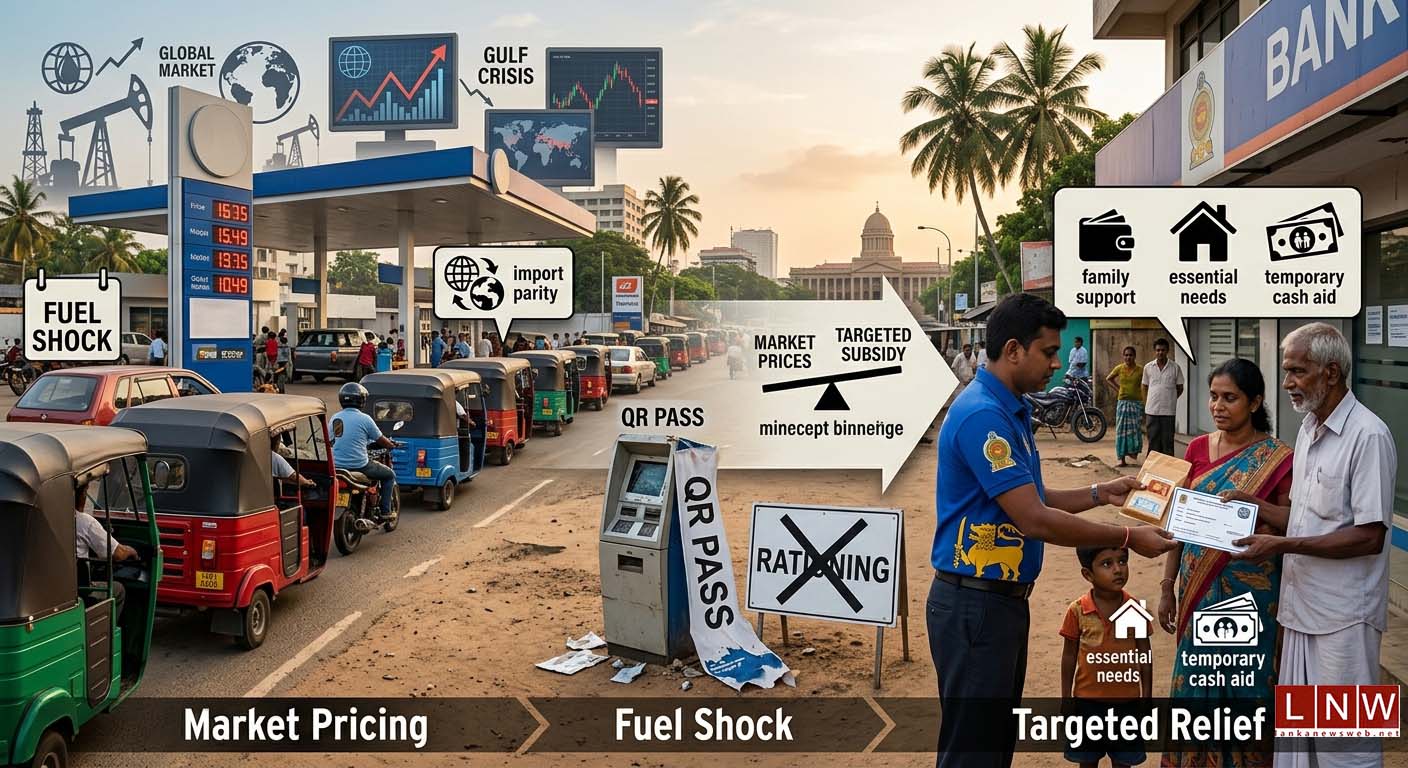
The queues stretched for miles.
Fuel pumps ran dry.
Medicine disappeared from hospital shelves.
The rupee had collapsed and foreign reserves had fallen to levels that left the country unable to pay for basic imports.
It was, by any measure, the worst economic crisis Sri Lanka had faced in living memory.
He took the wheel at that precise moment.
The IMF negotiations that followed were among the most complex and politically costly this country has undertaken.
Debt restructuring conversations with bilateral creditors, including India, China, and the Paris Club, demanded patience, diplomacy, and a willingness to absorb public anger.
Fuel queues eventually disappeared.
The rupee found its footing.
Inflation, which had reached catastrophic levels, began to ease.
The country did not default into chaos.
It did not collapse and that did not happen by accident.
History will argue about the methods. It always does. But few will dispute the courage it took to stand in that storm when others stepped aside.
Today, many of his supporters are wishing him and with that wish must come an honest conversation about the future.
The elephant party, one of the oldest and proudest political institutions this island has known, cannot afford to remain divided.
The Samagi Jana Balawegaya and the United National Party share roots, ideals, and a common inheritance that is too valuable to keep buried under old arguments and wounded pride.
The case for reunification is not merely sentimental.
It is strategic, urgent, and rooted in the hard realities of where Sri Lanka stands today.
The SJB and the UNP are not rivals by nature.
They are estranged siblings, separated by ego, ambition, and the kind of short-term political calculation that has cost the green camp dearly at the ballot box.
There is also a deeper irony that cannot go unacknowledged.
Those now in power spent years in opposition doing everything within their means to frustrate, undermine, and discredit the very stabilisation effort that kept this country from the abyss.
Every difficult decision Ranil made was met not with constructive opposition but with political theatre designed to weaken him and the institutions around him.
Today, those same voices ask for national unity, bipartisan support, and patience from the very people they once hounded.
As true patriots, that call will not go unanswered.
Sri Lanka is bigger than any party, bigger than any grievance, and bigger than the satisfaction of saying we told you so.
If the country needs steadying hands at this precipitous moment, those hands will be extended regardless of who sits at the Presidential Secretariat.
But let no one mistake generosity for surrender.
When the turbulence caused by the Middle East conflict eases, when the dust of this moment settles and Sri Lankans once again turn their minds to the question of who is best equipped to lead them forward, the green family will have its answer ready.
Reunited, refocused, and led by a man whose record in the darkest of hours speaks louder than any campaign slogan.
Ranil Wickremesinghe is not a footnote in this country’s story.
He has one more chapter to write.
The reunification of the green family is unfinished business, and it is the kind of work only a man of his experience and patience can lead.
Sri Lanka has not always been kind to Ranil Wickremesinghe.
But he has always shown up for her.
That, in the end, is the measure of a statesman.
Happy birthday, Mr. Wickremesinghe.
The work is not done.
(Photo credit: Adnan Abidi/Reuters)
Copied By : Keshal Jayasinghe