Spain’s left-leaning coalition government has postponed a major housing decree containing a wide-ranging package of rental and housing reforms until after the summer, after acknowledging it does not currently have enough parliamentary support to secure its approval.
The measures had been expected to be approved at the latest meeting of the cabinet on Tuesday before Parliament’s summer recess. However, the decree will now be presented in September while negotiations continue with parliamentary allies in an effort to avoid another legislative defeat.
According to Spanish media, the objective is to reach ‘a broad agreement to implement an ambitious package of measures that will provide stability for renters and boost the supply of affordable housing’.
The proposed legislation was designed as the government’s latest response to Spain’s worsening housing crisis and included measures aimed at strengthening tenant protections while also attempting to increase the availability of affordable homes. ALSO READ: Spain to impose tougher rental regulations, including caps on room rents and limits on seasonal lets.
One of its central proposals would allow tenants to request an extraordinary extension of their rental contracts for up to two years, while limiting annual rent increases to 2%. The extension would be available until 30 June 2028, if the decree is ultimately approved. The government believes the measure could protect millions of renters from steep rent increases at a time when housing costs have continued to climb sharply across much of the country.
However, despite attempts to broaden support, significant disagreements remain among the government’s parliamentary partners.
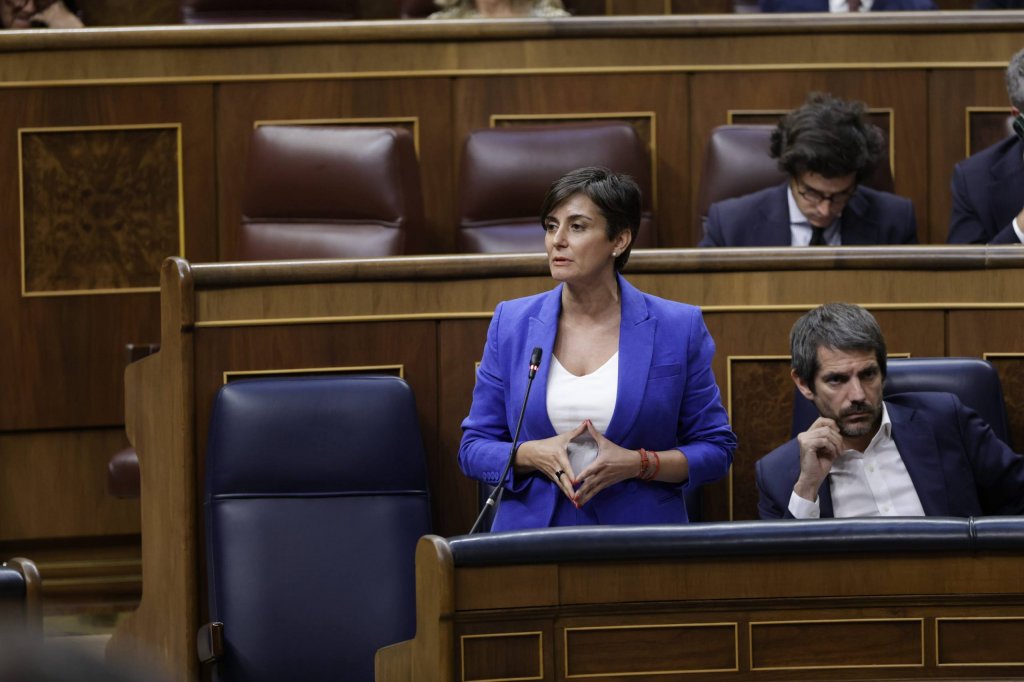
The Ministry of Housing, headed by Isabel Rodríguez (main image), expanded the original proposal in an effort to accommodate the demands of several parties, including the Basque and Catalan parties, PNV, Bildu, JxCat and ERC, as well as Podemos.
Among the changes was the adoption of a proposal backed by PNV to treat room rentals in the same way as standard residential tenancy agreements, introducing contracts lasting between five and seven years together with rent caps in designated high-demand housing areas.
The government also modified the proposed rent freeze by introducing tax incentives for landlords willing to freeze or reduce rental prices, a concession aimed primarily at securing the support of JxCat.
Despite those revisions, the rent measures remain one of the main obstacles to an agreement.
Podemos has insisted that any reform of Spain’s land law must be removed from the decree before negotiations can continue, while PNV has argued that the land law changes should remain, saying they would provide greater legal certainty, speed up planning procedures and help prevent administrative blockages. PNV has also called for regulation of seasonal rentals and guarantees that regional governments retain their autonomy over housing policy.
The inclusion of land law reforms has therefore become another major point of disagreement, leaving the government unable to assemble the parliamentary majority needed to pass the legislation.
The housing decree has become one of the coalition’s most politically sensitive projects after earlier attempts to extend rent controls were rejected in Parliament with opposition from JxCat, the People’s Party (PP) and Vox. Ministers had hoped that broadening the package and incorporating proposals from several parties would be enough to secure approval, but those efforts have so far fallen short.
The delay means that any changes to rental regulations, tenant protections and land planning legislation will now remain on hold until at least September, leaving both tenants and landlords facing continued uncertainty while political negotiations continue.
Spain’s housing market has come under increasing pressure in recent years, with rents rising sharply in many cities and affordable housing becoming one of the country’s most pressing political and social issues. ALSO READ: Spain to spend €1.3 billion on ‘industrial construction of social housing’.
The government’s latest attempt to intervene reflects a wider trend seen across Europe, where soaring housing costs have become a growing concern. ALSO READ: Spanish government to limit short-term rentals and tourist flats to address housing crisis.
The outcome of the negotiations after the summer could prove decisive not only for Spain’s future housing policy but also for the stability of the coalition government itself, as ministers seek to reconcile the competing demands of their parliamentary partners before bringing the decree back to Parliament.
Enjoying the news from Spain in English? Add us as a preferred news source in Google.
Subscribe to the Weekly Newsletter from Spain in English
📍La ministra @isabelrguez anuncia que ya se ha remitido a las CCAA la documentación para el pago de los primeros 800M€ del Plan Estatal de Vivienda.
➡️ Así se cumple con el compromiso de formalizar en julio la transferencia de esta primera anualidad. https://t.co/j2h51n292o
— Ministerio de Vivienda y Agenda Urbana (@viviendagob) July 8, 2026
Los datos de Euskadi muestran que se pueden congelar los alquileres sin perjudicar la oferta.
Frente a los agoreros, datos públicos: bajan los precios en zonas tensionadas mientras se alcanza el mayor volumen de contratos de la serie histórica.
De nuevo, regular funciona. https://t.co/AhNw7bvefX
— Isabel Rodríguez García (@isabelrguez) July 27, 2026
Click here to get your business activity or services listed on our DIRECTORY.
Click here for further details on how to ADVERTISE with us.