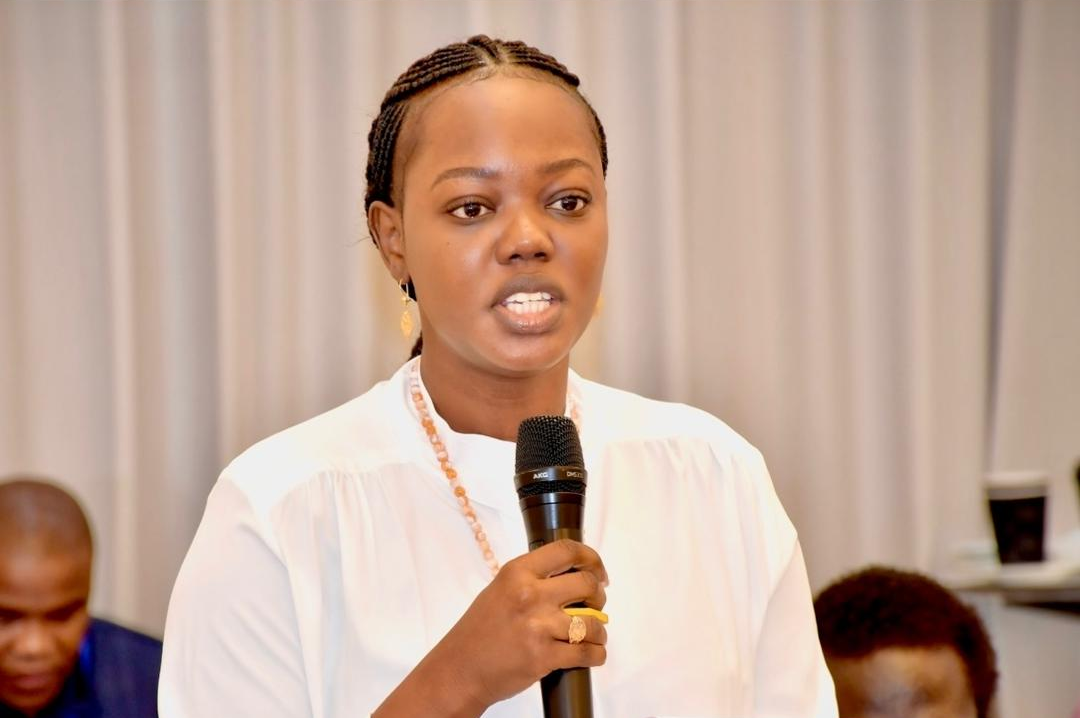
Ms. Elizabeth Achu Jevarse, Lecturer at the University of Juba, an Economist, and Researcher – Photo Courtesy of Elizabeth Achu
In South Sudan’s subsistence economy, women spend long hours each day doing unpaid labour, including household chores such as cooking, fetching water and firewood, and caring for children.
Despite these burdens, women in the capital, Juba, have managed to integrate their responsibilities into income-earning activities, particularly through trading in major commodity markets. They have established themselves as essential suppliers and traders within the city’s commercial ecosystem.
The recent fire at Custom Market has affected thousands of business owners, from small and microenterprises to medium- and large-sized traders. According to preliminary loss assessment statistics released by the South Sudan Chamber of Commerce, the fire destroyed approximately 1,000 kiosks and 3,000 shops.
Reports also indicate that women were the most affected victims of this incident, as they are the primary breadwinners for thousands of households. In addition, they bear the most tremendous social, economic, and psychological burden during such disasters.
The sudden loss of small- and medium-sized enterprises, as seen in the Custom Market tragedy, can push households into immediate poverty. In contrast, thousands of women who tirelessly combine unpaid care with income-generating labour are left even more vulnerable. Thus, the market fire represents not merely material losses, but a breakdown of fragile economic systems that previously sustained thousands of families and communities.
The liquidity crisis and acute cash shortages further complicate the situation. Most women traders rely on daily cash circulation to operate their businesses. With banks imposing withdrawal limits and mobile money services remaining underdeveloped, women have become trapped between inflationary pressures and limited access to capital on one side, and the loss of their businesses on the other, forcing some to accept exploitative working conditions or even resort to begging to keep their families alive.
Custom and Konyo Konyo Markets remain the beating heart of Juba’s local economy. These markets support thousands of families and serve as central hubs for food distribution, micro-commerce, regional trade, and daily revenue generation.
They also act as critical buffers against inflation; when functioning effectively, they promote competitive pricing, stabilise supply chains, and ensure access to essential goods. However, when they face calculated shocks such as fires, insecurity, arbitrary taxation, or coercive actions by municipal authorities, the ripple effects spread nationally, deepening household and individual vulnerability.
Beyond weak infrastructure and cash shortages, markets in South Sudan face an entwined set of environmental, political, and gender-based barriers that undermine stability and restrict economic potential.
Issues such as poor waste management, inadequate drainage systems, and overcrowded layouts create unsafe, unhealthy environments that increase disease risks and disrupt trade. These challenges directly widen the gender parity gap and expose women to economic, social, and health risks that state institutions are ill-equipped to mitigate.
Women continue to face additional hurdles, such as exposure to verbal and sexual harassment, lack of childcare services, and heightened insecurity during unexpected crises like fires. Challenges such as weak political administration and inconsistent regulatory frameworks further erode traders’ confidence and intensify the crisis’s impact.
Moreover, arbitrary fee collection and interference by multiple administrative bodies impede efforts to build resilient and inclusive urban markets. This makes the government’s response to crises like the Custom Market fire a necessity. Citizens, particularly women, who make up the majority of informal traders, are watching closely. Therefore, inadequate government intervention can fuel public frustration, weaken trust in institutions, and widen the disconnect between decision-makers and the communities they serve.
Conversely, immediate and effective measures, such as compensating affected traders, restoring livelihoods, improving market regulation, strengthening safety systems, and prioritising support for traders, can rebuild trust and signal that leadership understands the urgency of protecting the economic lifelines of the population.
If fires and administrative gaps continue without visible reforms, the public narrative may shift toward accusations of negligence, poor planning, and weak governance. The consequences could extend far beyond the loss of goods, including the erosion of political legitimacy, particularly as citizens judge leaders by their ability to safeguard livelihoods during a crisis.
Strengthening these markets through urban planning, fire-prevention systems, insurance mechanisms, transparent tax policies, and strong partnerships between municipal authorities and traders’ unions is not a luxury. It is an economic necessity for long-term growth and a political obligation for restoring public confidence.
Juba’s markets are more than trading centres; they are sensitive economic and political indicators. Protecting them is not just an economic requirement; it is a political necessity. Failure to act now may cost far more than the value of the goods lost to the fire; it may cost the trust of the people.
The Author: Miss Elizabeth Achu C. Jervase is a Development Finance Economist with over a decade of progressive experience in economic analysis, banking, agricultural policy, strategy, and resource management across national, regional, and international institutions. She is a part-time lecturer at the University of Juba, the Faculty of Economics. She is a staunch researcher and women’s peace advocate who is widely recognised and awarded. She is the founder of South Sudan Youth Society for Peaceful Coexistence, an initiative that has set the benchmark for volunteerism, peacebuilding, and conflict resolution among youth and vulnerable communities since before South Sudan’s independence.
Editor’s Note: The views expressed in the above article are solely those of the author and do not necessarily reflect the views of Eye Radio. All claims made are the author’s responsibility alone.
Previous Post
Ministry to establish mental health unit within transitional justice commission