Author: Lasuba Memo | Published: 3 minutes ago
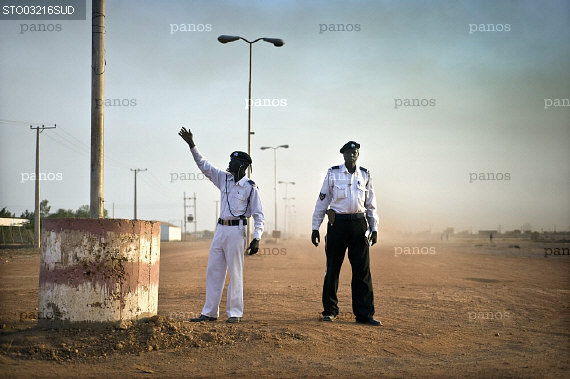
Traffic Police-Courtesy panos.co.uk
The Chairperson of the Specialized Committee on Security and Public Order in Parliament has accused traffic authorities of overcharging motorists in violation of the Financial Act 2024–2025.
Samuel Loti said the law clearly sets fixed fees for vehicle registration, licensing, and inspection, yet many motorists are reportedly paying far more than the prescribed amounts.
“For a private car, the charge is supposed to be forty-six thousand pounds only. I’m puzzled that people are parting away with more than two hundred and fifty thousand, even three hundred or five hundred thousand. This is something the media need to pick up so motorists understand what the law says,” he said speaking on Eye Radio’s Around South Sudan podcast on Friday.
According to Mr. Loti, the Financial Act 2024–2025 sets registration and licensing fees at seventy thousand pounds for private, public, commercial, and investment vehicles.
Despite this, complaints continue of motorists being charged excessive amounts, with some inspection fees reportedly reaching up to one million pounds.
“You can sue the Directorate of Traffic for charging you three hundred thousand pounds for a driving license that is supposed to be forty-six thousand pounds, because it is supported by the law. The law will be on your side,” he said.
Mr. Loti acknowledged that the current traffic law dates back to 2003 and no longer reflects current economic conditions. He confirmed that a draft amendment has been prepared and will be presented to the Council of Ministers before being tabled in Parliament for scrutiny and public hearings.
He urged motorists not to give in to harassment and to use the Financial Act 2024–2025 as a legal basis to defend their rights.
Meanwhile, the parliamentary committee has announced plans to summon the Minister of Interior, the Inspector General of Police, and the Director of Traffic to answer questions over the alleged violations.
Previous Post
VP Igga: “Morality” in South Sudan more “evil” than Sodom and Gomorrah