Authors: Edema Emmanuel | Lasuba Memo | Published: 5 hours ago
Photo Credit|Wetchol Junior
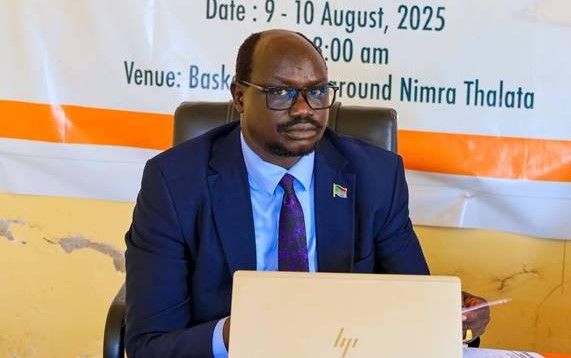
Bor County Commissioner Samuel Ateny Pech has warned of action against authorities managing Lew-dier Fish Market following concerns over poor sanitation and waste accumulation at the facility.
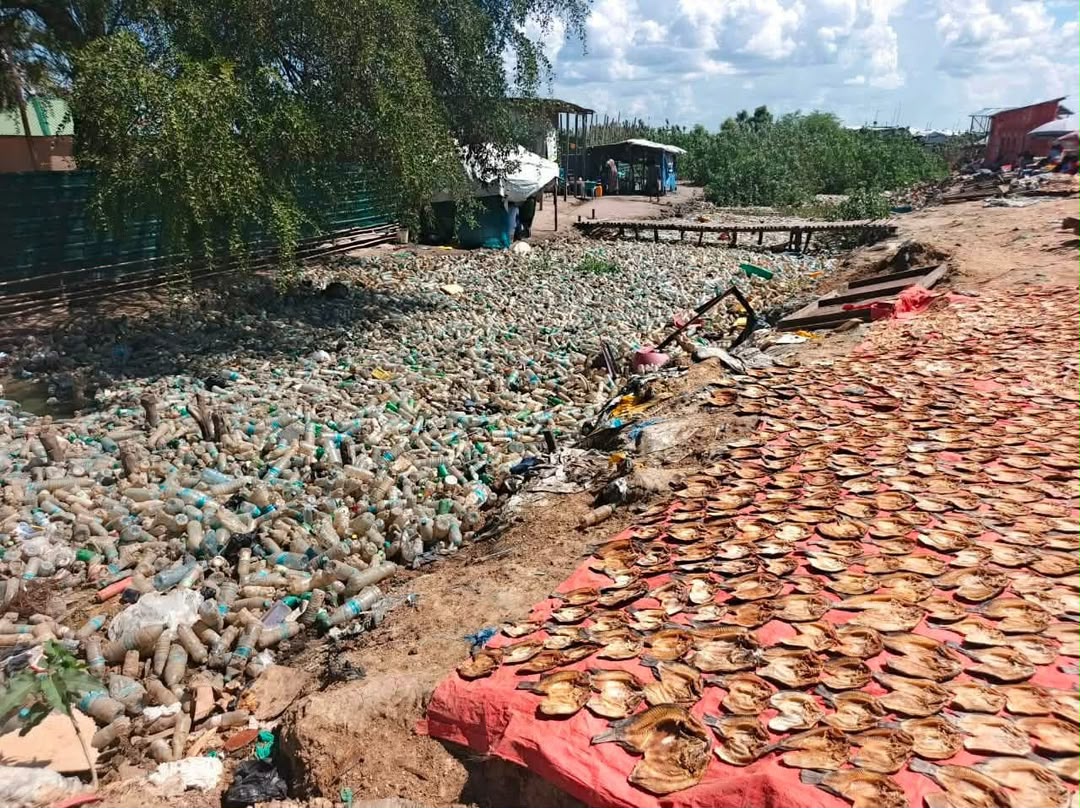
The warning follows photos shared on social media showing plastic bottles and other waste scattered around areas where fish is dried and sold.
Commissioner Ateny said he was not previously aware of the condition of the market and had not yet visited the site.
“I did not pay a visit to know the area and the authorities that are running that market,” Ateny said.
He said he will conduct a surprise visit to assess the situation and hold those responsible for managing the market accountable.
“So I will be paying a visit, just a surprise visit to hold them accountable, the authorities that are running the market,” he said.
The commissioner confirmed that the market is managed by a body under the city authorities and said action is needed to address the reported unhygienic conditions. “Yes, there is a need of action,” Ateny said.
However, Madut Mach, an official in charge of Lew-dier Fish Market, said the market faces significant challenges in managing waste because of inadequate sanitation infrastructure.
Mach called on the government and development partners to provide public latrines and proper waste-management facilities.
“The market cannot be clean when there is no public toilet. It cannot be clean when there is no proper waste disposal management,” he said.
He said traders have been making efforts to keep the market clean, including regular cleaning and sensitizing traders and consumers about proper waste disposal.
Mach, however, argued that traders cannot solve the problem without government-provided facilities.
“We are business people. And we are under government,” he said. “It is the responsibility of the government to do at least the facilities that can at least be used, at least make sure that the market is clean.”
He said the traders have also been engaging government authorities and development partners, including UN agencies, over the need for improved sanitation at the market.
According to Mach, the absence of a public toilet is among the major challenges facing the facility.
“We need a place, a public toilet here,” he said, adding that the market also needs proper waste facilities.
Mach said traders pay taxes and other fees to the government, but decisions on how the money is allocated are the responsibility of the authorities.
He also said traders undertake cleaning activities, particularly in areas where plastic bottles and other waste accumulate, but acknowledged that the market’s location along the river and the large number of people using it make waste management difficult.
The market official further defended the handling of dried and salted fish, saying traders use preservation methods intended to protect the products from contamination.
“The way we make the fish, it is purely preserved, at least, for human consumption,” Mach said.
He said Lew-dier Fish Market serves a large number of traders and consumers, with fish from the market reportedly reaching Uganda, Rwanda, the Democratic Republic of Congo and other parts of the region.
Mach said the scale of the market and its importance to livelihoods make improved sanitation a matter requiring urgent attention.
“This market is serving a lot of people,” he said. “So, it needs proper consideration from the government side, or even the UN agents.”
The commissioner’s planned visit is expected to determine the condition of the market and whether action is required against the authorities responsible for its management.
Previous Post
CES youth ministry budget increased by nearly 400%, minister says
Next Post
Rotary Club of Wau supports newborn twins who lost their mother