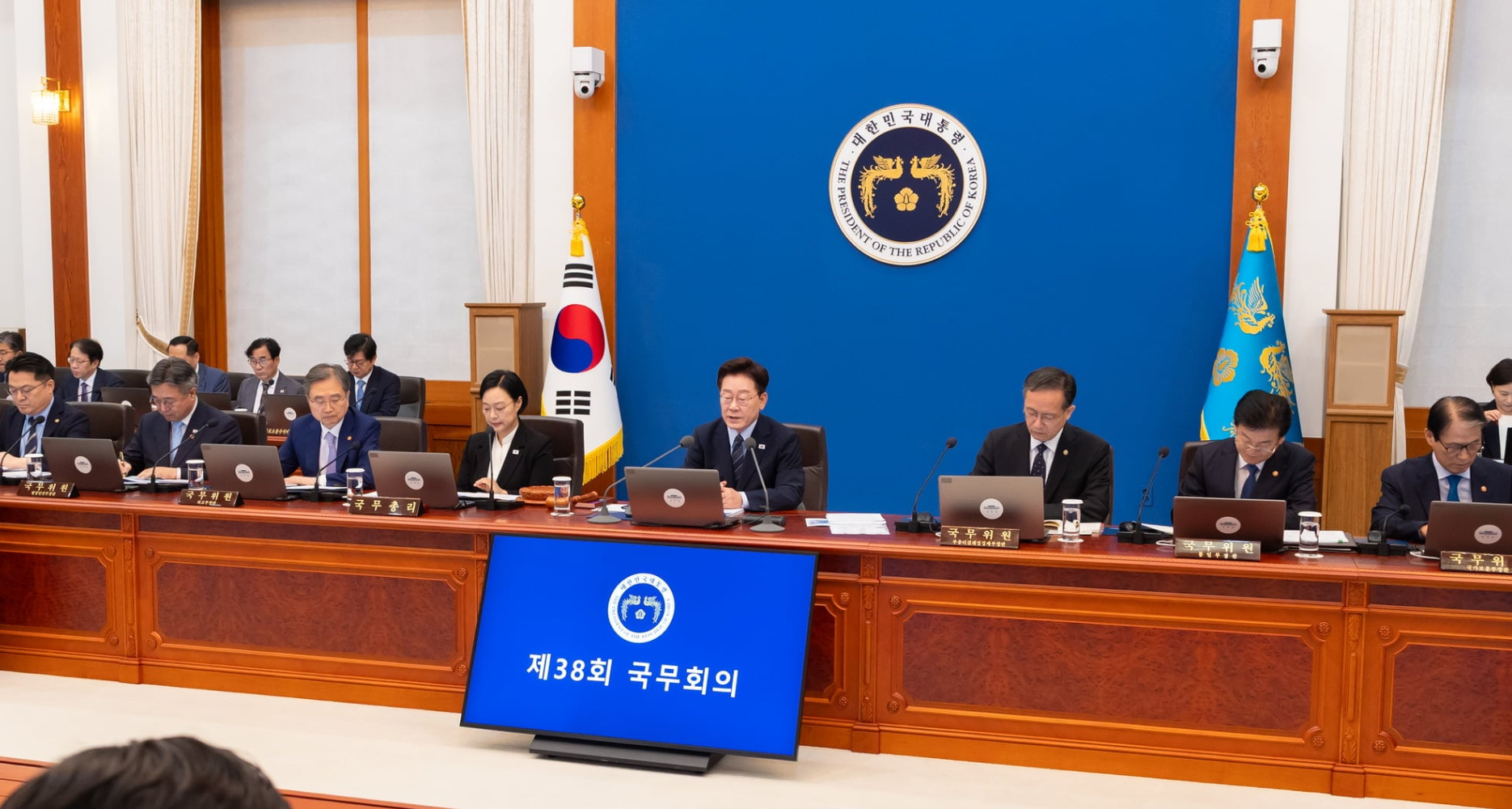
South Korea’s 2027 budget proposal, due to reach the National Assembly on Thursday, uses an extraordinary semiconductor tax windfall to create a new system for deciding how that money is saved and spent, giving the Lee Jae Myung administration greater control as it tries to lift the economy’s long-term growth rate.
The government plans to increase spending by 12.8% to a record $601.4 billion (820.9 trillion won), even as it forecasts the managed fiscal deficit narrowing from 3.9% of gross domestic product (GDP) in the 2026 main budget to 0.1% in 2027 and the national debt ratio falling from