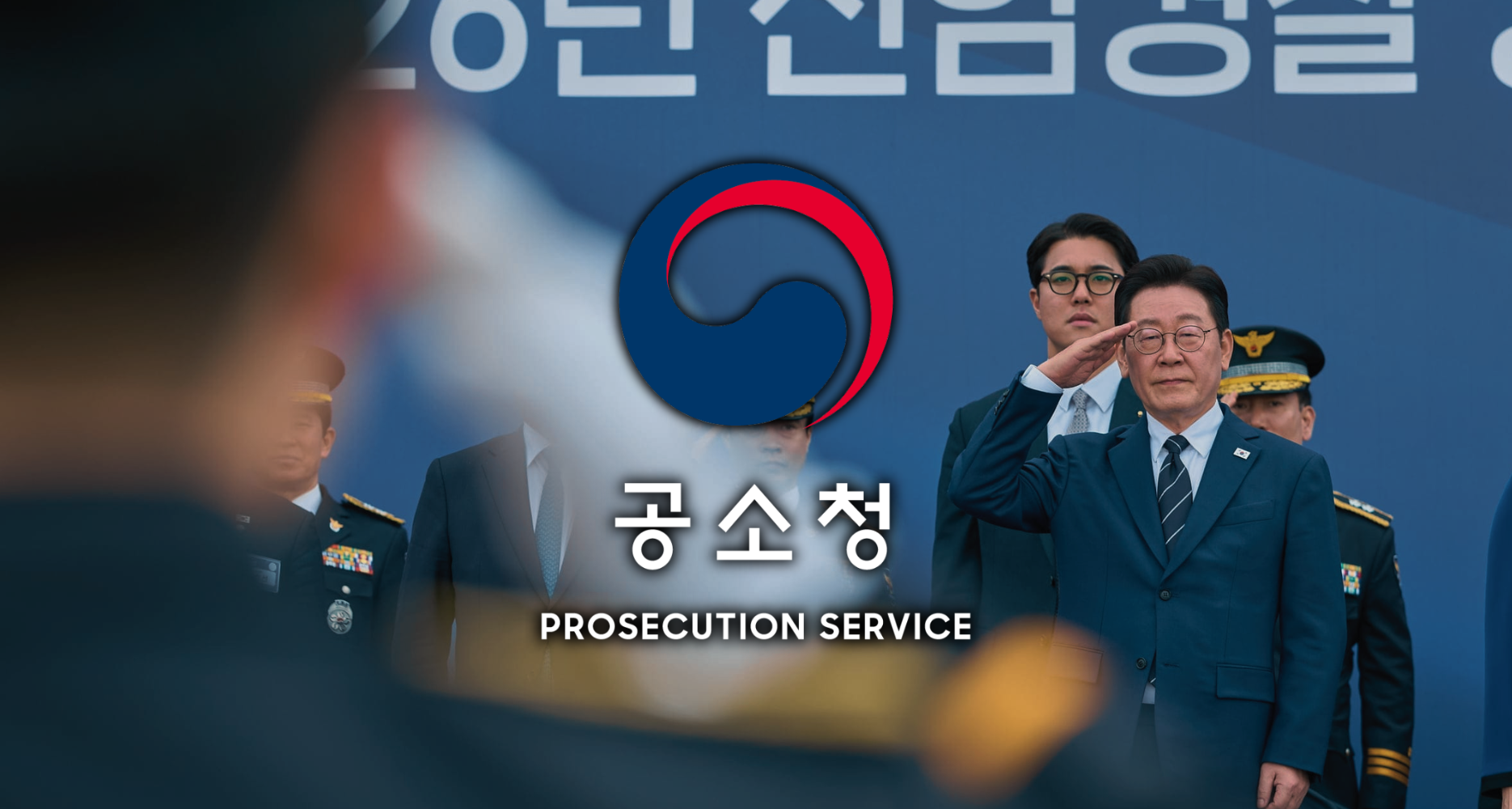
South Korea’s abolition of its 78-year-old Prosecutors’ Office has fundamentally changed how crimes are investigated and prosecuted, dividing powers once concentrated in a single institution among several agencies.
The overhaul, which took effect Oct. 2, separates criminal investigations from decisions on whether to bring suspects to trial.
A new Serious Crimes Investigation Agency (SCIA) handles designated major offenses, while the restructured Prosecution Service decides whether to file charges and presents cases in court. Police conduct most other investigations and must gather additional evidence when prosecutors request it.
The reform, spearheadedby President Lee Jae Myung’s ruling Democratic Party (DP),