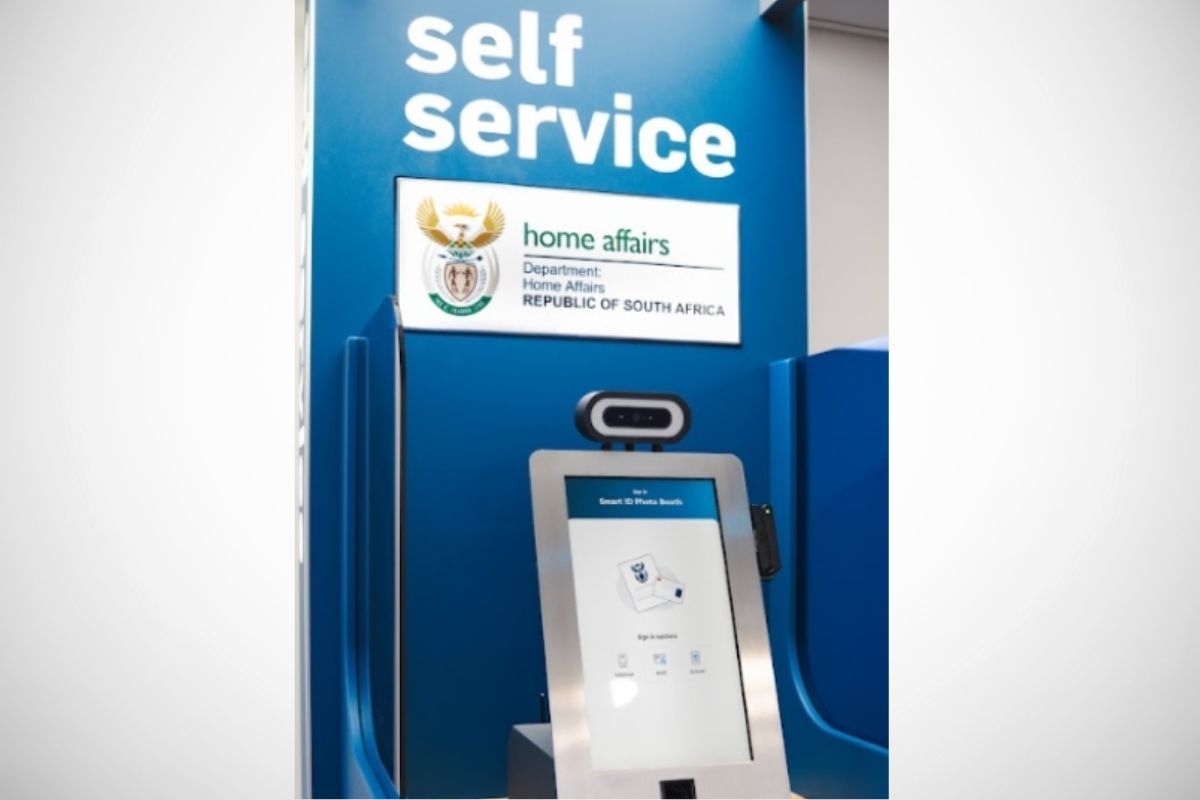
Getting a Smart ID in South Africa is becoming faster and more convenient, thanks to a major rollout by the Department of Home Affairs.
The department has now activated Smart ID services at 110 bank branches across the country, exceeding its initial target of 100 branches by the end of March.
More access, less waiting for South Africans
This expansion means many South Africans can now apply for or replace their Smart ID at nearby bank branches instead of visiting traditional Home Affairs offices.
Participating banks currently include Capitec, Standard Bank and now First National Bank (FNB), which has just joined the programme.
In just three weeks, 77 Capitec branches, 30 Standard Bank branches, as well as three FNB branches have gone live.
When added to the 248 Home Affairs offices that already offer Smart ID services, this represents a 44% increase in access points in a very short time.
Quick and simple process to get a Smart ID
The new system is designed to be fast and easy.
Applicants can replace a Green ID book or a lost Smart ID in as little as five minutes at participating branches. There is also no need to fill out paperwork or make a booking beforehand.
The process uses fingerprint and facial recognition technology to verify identity, helping to reduce fraud and eliminate manual errors.
So far, more than 25 000 Smart ID applications have been processed at bank branches. According to Home Affairs, the system handles more than one application per minute.
And Home Affairs says this is just the beginning. In the coming weeks, additional services are expected to be introduced at bank branches. These include:
- first-time Smart ID applications
- passport applications
- courier delivery of IDs and passports
- as well as the ability to apply through banking apps
More banks are also expected to join. Absa and Nedbank are currently testing the system and could go live once ready.
After surpassing its first target, Home Affairs is now aiming to expand the service to 1 000 bank branches by 2029.
The rollout will continue in phases to ensure the system remains stable and reliable.