By Ahmed Bashir
Introduction
“Qabiil ma dhamaado” — tribe never ends. That phrase echoes in every corner of Somali society, whispered in hushed tones, argued in armchair warriors (fadhi-ku-dirir) sessions, or shouted in moments of conflict. Clan identity is worn like a second skin, passed down like inheritance, and guarded like treasure. For some, it is a source pride. For others, a curse. But for most, it is inescapable.
In Somalia, tribalism is not just a social system, it is a spiritual force. It fuels loyalty, provides protection, and too often justifies injustice. We say we hate it, but we live by it. We say we want unity, but we organize by clan. It is almost as if tribalism nourishes the Somali soul, not because it is good, but because we have made it essential in every aspect of our lives.
This article explores the roots, realities, and consequences of Qabyaalad in Somali life. Why has it become so powerful? What role does it play today? And is there a future for Somalia where identity is not dictated by clan bloodlines?
1. Historical context: Where did Qabyaalad come from?
Long before the idea of a Somali nation, there were Somali clans, decentralized, nomadic, and fiercely independent. These clans were the foundation of social life, offering protection, justice, and belonging in an unforgiving environment.
Colonial powers, especially the British and Italians, weaponized these structures, empowering some clans over others to divide and control. After independence, a brief moment of national unity followed but collapsed under the weight of clan loyalties. Early on, the Barre regime publicly condemned qabyaalad but failed to eradicate it completely. After 1991, the state crumbled and the mayhem that followed defaulted to its familiar fallback: the clan.
Somalia has never fully replaced clan identity with a national one. The state failed. The clan survived.
2. The Modern Somali experience: How Qabyaalad shapes everything
Today, qabyaalad continues to dominate:
Politics are dictated by the 4.5 formula, reducing leadership to tribal arithmetic instead of national vision. Ministerial positions are divided not by merit, but by clan balance.
Justice is tribal. Employment is tribal. Even aid distribution is tribal.
Social life is deeply affected: marriages are blessed or blocked based on one’s clan. Similarly, friendships are strained, and business partnerships are judged based on clan litmus test.
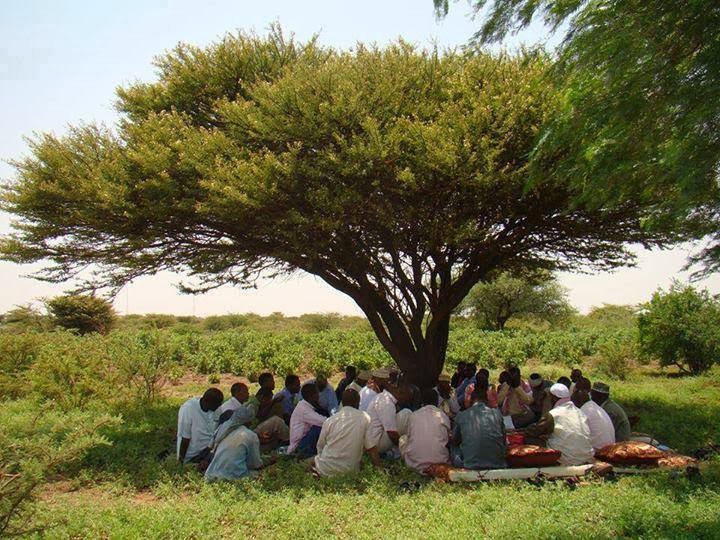
Conflict and peace efforts are negotiated through tribal elders rather than national institutions such court or independent arbitrations. So, clans still hold more legitimacy than the state itself.
In this environment, clan is more than identity, it is insurance, currency, dominancy, and powerful weapon to use against imagined opponents.
3. The emotional connection: Why does it “Nourish” the Soul?
In a broken state, clan offers safety. It gives a sense of belonging, history, and pride. It protects you when the government cannot. It gives you a name when the nation offers none.
Somali oral traditions glorify the clan as noble and heroic. Thus it became spiritual, not just cultural. So in the absence of national pride, clan pride fills the gap.
But this emotional comfort comes at a cost. It limits empathy. It narrows trust. It divides a homogeneous people who share one language, one religion, one culture — and, arguably, one tribe broken up into many clans.
4. The Cost: What has Qabyaalad taken from us?
National unity has been destroyed. Somalia is fragmented, not just geographically, but politically, psychologically and socially.
Violence has become tribalized. Civil war, displacement, and warlordism were all framed around clan loyalty.
Meritocracy has died. Jobs and opportunities go to the clan connected to positions of power, not the qualified who has no clan connections.
Similarly, social cohesion is gone. Even in the diaspora, Somalis carry tribal divisions across oceans.
Worst of all, qabyaalad has corrupted the Somali dream. Instead of building a country for all Somalis, many just want their tribe to “win” — whatever that means.
5. The way forward: Can we starve the soul of this “Tribal Nourishment”?
Yes, we can. But it requires honesty, sacrifice, and bold reform. Here’s what needs to change:
1. Come out of the clan closet
End the hypocrisy. Let us stop pretending that we hate tribalism while practicing it in everything we do. Let us ditch the clannish mindset — in politics, in social life, in language. National dignity starts with individual commitment to truth and unifying values.
2. Minimize or eliminate close-relative (incestuous) marriages
Many Somali clans practice close relatives marriages that reinforce clan purity and social closure. This must not only be questioned but minimized or eliminated altogether — not only for health reasons but for nation-building. Inter-clan and inter-regional marriages must be encouraged to foster unity.
3. Sedentarize the marauding clan militias
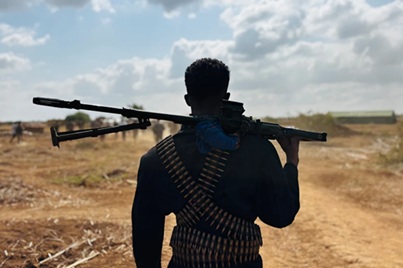
Nomadic clan militias must be transformed into productive, settled communities. Livelihood programs, education, and reintegration are key. We cannot build a stable state while armed clan groups roam lawlessly, operating outside the state’s reach.
4. Let the people choose Their leaders and government
The 4.5 system must be dismantled and replaced it with direct elections where Somalis vote based on vision and values — not tribe. Democracy cannot exist where tribal quotas rule.
Conclusion: Dugsi ma leh qabyaaladi waxay dumiso mooyane
I do not believe in “clan nobility” of any sort. To me, Somalis are not separate tribes or ethnic groups like elsewhere in much of Africa. We are one people, divided into different clans. We are more united than we admit — and more divided than we deserve.
The cure for the clan disease is clear: unite under the banner of Somali nationality. Return to Somalinimo. Build institutions that serve people, not tribes. Raise a new generation that finds pride not in their father’s clan — but in their nation’s future.
Qabyaalad may have fed our souls since time immemorial, but it has poisoned our soul all along.
Now, we must choose: keep feeding the sickness, or hunger for a cure.
Dugsi ma leh qabyaaladi waxay dumiso mooyane.
Clanism builds nothing — it only destroys.
Ahmed Bashir
Email:bashir1631@gmail.com