Dhuusamareeb (WDN) — Galmudug’s repeat election is facing a serious political test after the Towfiiq Political Association, led by Sheikh Shakir Sheikh Mohamed, was excluded from the list of political organizations approved to participate in the vote scheduled for September 30.
The decision is particularly significant because Towfiiq was a major participant in the previous election, winning 12 parliamentary seats before the results were annulled following a legal challenge that reached Somalia’s Supreme Court.
Its exclusion from the rerun immediately raises a difficult question: why is a party that played such a significant role in the original election now absent from the process intended to replace it? The National Independent Electoral and Boundaries Commission has not publicly provided a detailed explanation for the decision.
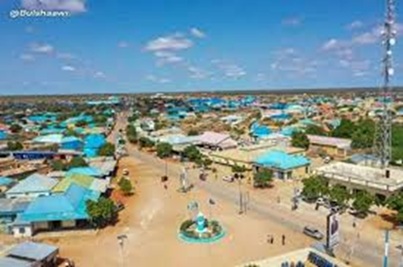
Towfiiq is not a marginal political organization in Galmudug. It has established a significant political presence, particularly in Dhuusamareeb and Guriceel, where the party and its leadership have maintained substantial political and community support. Its previous electoral performance demonstrated that this support could translate into parliamentary representation.
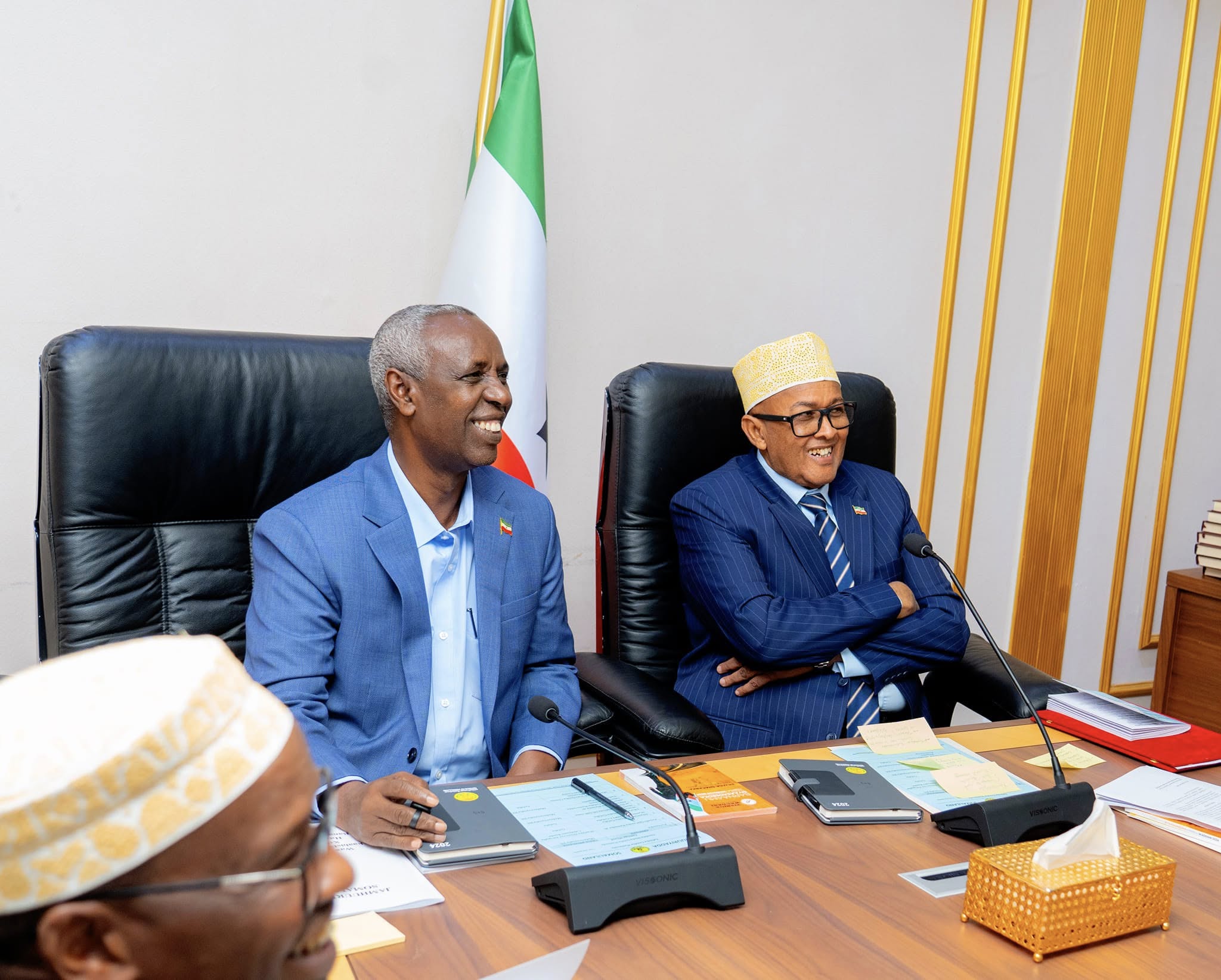
Sheekh Shaakir
That makes its exclusion more consequential than a routine administrative decision. It could remove a substantial bloc of voters from the competition while giving rival organizations an opportunity to compete for seats and support that Towfiiq previously contested. The result could significantly alter the political balance of the rerun before a single ballot is cast.
From Court Challenge to Electoral Exclusion
Towfiiq was among the political organizations that challenged the previous election, ultimately taking its case to the Supreme Court. The court’s annulment of the results created the need for a new electoral process.
A rerun is normally expected to address the problems that undermined the original vote and restore confidence among competing political actors. Instead, Towfiiq now finds itself excluded from the very process intended to replace the election it helped challenge.
If the party is legally ineligible, the commission should explain the legal basis for that decision. If it is eligible, excluding it raises questions about whether the rerun is correcting the previous process or changing the political field.
The commission therefore faces a straightforward credibility test. It should explain the eligibility criteria applied to Towfiiq, identify the specific grounds for its exclusion and clarify whether the same standards were applied consistently to all political organizations.
If the decision resulted from an administrative or procedural problem, there should be an opportunity to correct it before voting. If it is based on a statutory requirement, Towfiiq should have access to whatever appeal mechanism the law provides.
This matters because the previous election was already annulled through judicial proceedings. The credibility of the rerun will consequently depend not simply on holding another vote, but on demonstrating that the new process genuinely addresses the weaknesses that caused the original election to fail.
The central question is whether Towfiiq has been excluded for a clear and lawful reason—or whether the decision is effectively reshaping the field of competition.
The Risk of Political Escalation
The political consequences could extend well beyond the electoral commission. Towfiiq’s supporters are unlikely to regard the deliberate sidelining of a major political organization as a minor administrative matter. The party has a substantial constituency, a history of electoral participation and a direct connection to the legal dispute that resulted in the previous election being annulled.
If its supporters conclude that meaningful political participation has been closed to them, the dispute could move beyond electoral procedures into protests, institutional confrontation and, if tensions are badly managed, armed mobilization.
That outcome is not inevitable. But Somalia’s political history offers repeated warnings about what can happen when significant constituencies lose confidence in peaceful political mechanisms. The greatest danger would be allowing an electoral dispute to become a broader struggle over political legitimacy.
Galmudug’s September 30 election was supposed to resolve an earlier political and legal crisis. The exclusion of Towfiiq risks creating another before voting even begins.
The authorities still have an opportunity to prevent that outcome by providing a clear legal explanation and allowing a transparent review or appeal process. If Towfiiq is legally ineligible, the commission must explain why. If it is eligible, it should be allowed to compete.
For Galmudug, the stakes extend beyond one party or one election. The immediate challenge is to ensure that political competition remains within the electoral system rather than allowing the exclusion of a major constituency to push the crisis into a far more dangerous arena.
WardheerNews