Hargeisa (WDN) – A growing political rift has emerged within Somaliland over its engagement with Israel, exposing sharp divisions among political parties and senior leaders over the territory’s foreign policy and international recognition strategy.
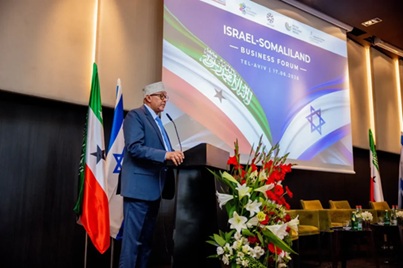
The opposition KAAH Party has strongly criticized reports surrounding Somaliland’s reported diplomatic engagement in Jerusalem, describing the move as ill-considered and warning that decisions of such national significance should not be made without broad political consensus.
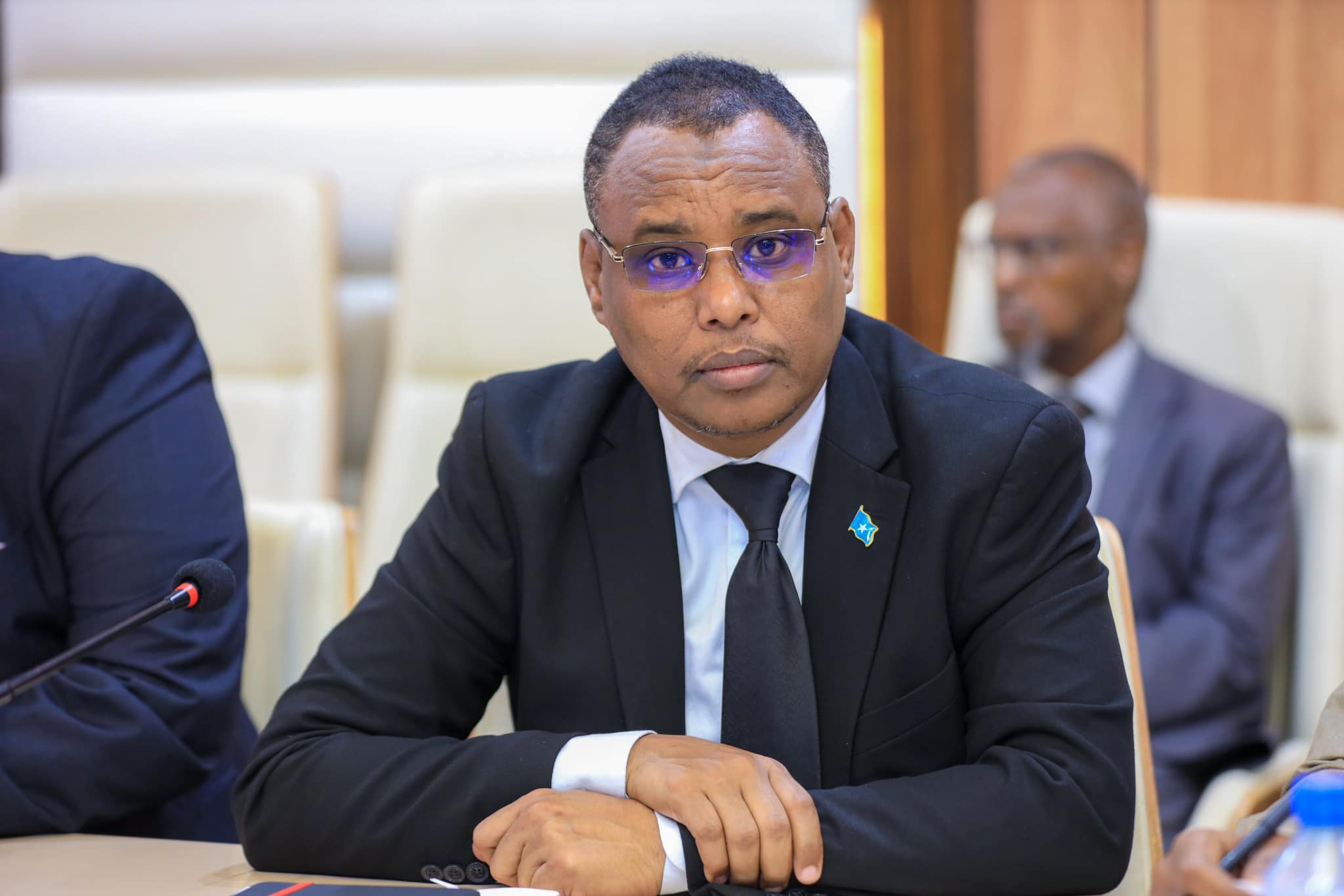
In a video statement posted on Facebook, the party’s Secretary for Foreign Affairs, Ambassador Barkhad M. Kaariye, argued that Somaliland’s quest for international recognition should not be pursued at the expense of what he described as the nation’s long-term strategic interests.
“We cannot accept efforts to pursue recognition by overlooking issues that are fundamental to Somaliland’s future,” Kaariye said, calling on the government to honor previous political understandings rather than making decisions through what he described as a narrow process.
The KAAH Party further warned that the current administration risked placing Somaliland’s national interests in jeopardy if it continued to make major foreign policy decisions without wider consultation.
The controversy has sparked intense political debate across Somaliland, highlighting growing differences over how the territory should navigate an increasingly complex geopolitical landscape while continuing its decades-long campaign for international recognition.
Adding to the debate, former Somaliland President Muse Bihi Abdi has also urged caution over major international agreements. In a recent statement, he argued that the rapidly shifting global political environment requires careful strategic planning rather than hasty diplomatic decisions.
Bihi pointed to major geopolitical changes unfolding in the Middle East, suggesting that evolving relations among influential Muslim-majority countries—including Iran, Pakistan, Türkiye, Egypt, and Saudi Arabia—could significantly reshape regional alliances. He also warned that tensions between the United States and Israel could have far-reaching consequences extending well beyond the Middle East, including the Horn of Africa.
He urged Somaliland’s leadership to carefully assess the long-term implications of any international agreements to ensure they align with Somaliland’s national interests and future political direction.
The public disagreement between the governing administration, opposition parties, and former senior leaders illustrates that Somaliland’s approach toward Israel has become more than a foreign policy issue. It has evolved into a broader domestic political debate over diplomacy, strategic priorities, and the path toward international recognition.
As regional and global alliances continue to shift, the emerging debate underscores the challenge facing Somaliland’s leadership: balancing its pursuit of diplomatic recognition with the need to maintain political unity at home. The growing disagreement suggests that questions surrounding relations with Israel are likely to remain one of the most contentious issues in Somaliland’s political discourse in the months ahead.
WardheerNews