Transparency Solomon Islands calls for climate accountability and a clear national action plan following COP31.
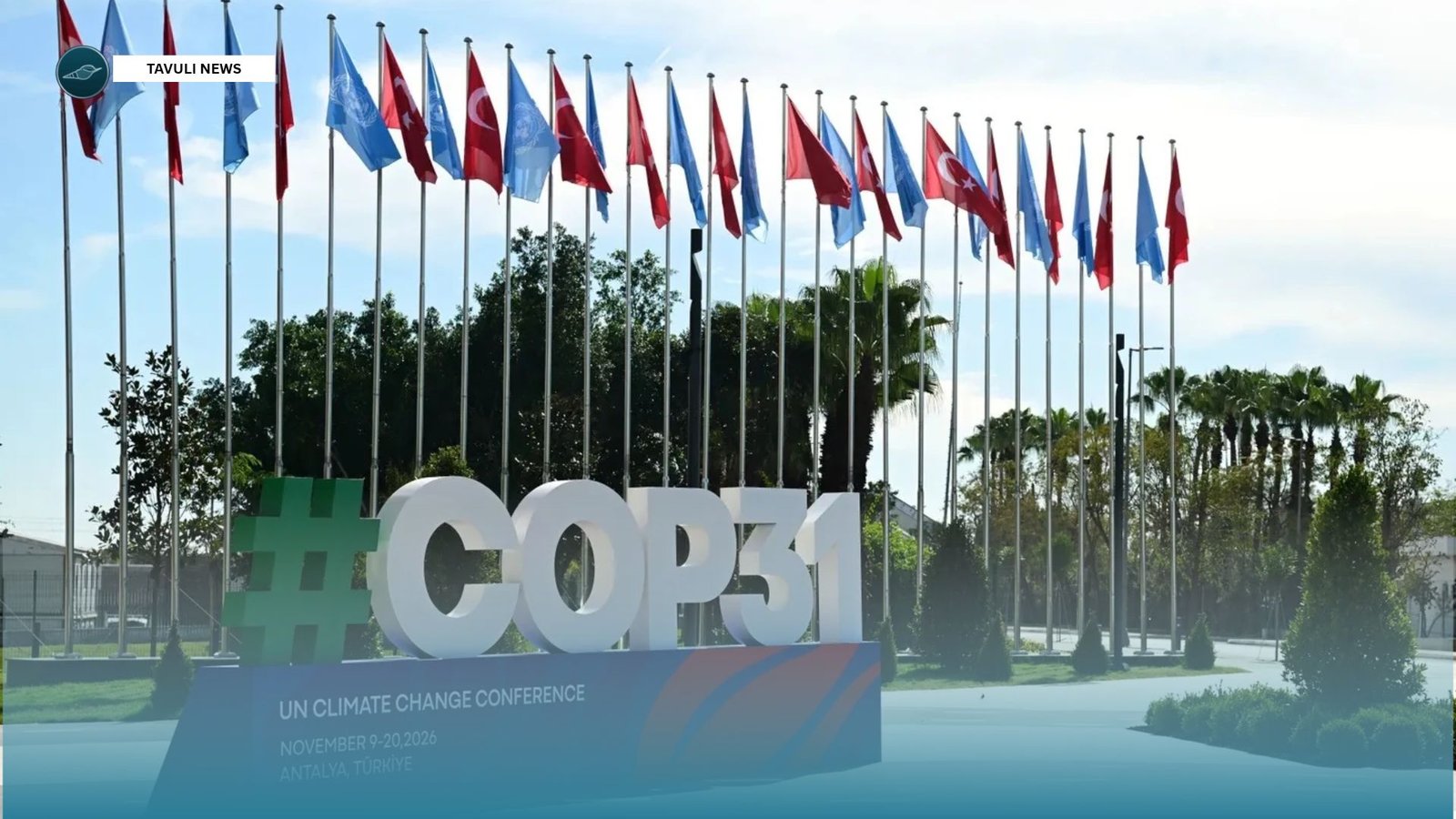
COP31 has ended in failure. After another round of international negotiations, the world has once again failed to deliver the level of ambition, commitment and action required to confront the climate crisis. For Pacific Island countries, which contribute least to global emissions yet face some of the gravest consequences, the outcome is deeply disappointing.
For Solomon Islands, the failure of COP31 raises a simple but unavoidable question: WHAT NOW?
How many more conferences must come and go before Solomon Islanders are told what the national plan is to protect our people, our communities and our future? Even the victims of TC Maila are still waiting for assistance.
For decades, Pacific leaders have travelled the world calling for urgent climate action. They have spoken passionately and persuasively about the threat posed by rising sea levels, coastal erosion, extreme weather events, food insecurity and the loss of livelihoods. Yet despite these efforts, major emitting countries continue to place short-term political and economic interests ahead of the survival of vulnerable nations.
The hard truth is that Solomon Islands cannot continue to rely solely on promises from international climate conferences.
The international community has once again demonstrated that it is unwilling or unable to move at the speed required. Solomon Islands therefore has a responsibility to prepare for a future in which global action remains inadequate.
The Government owes its citizens an honest assessment of the risks we face and a clear explanation of how it intends to respond.
Too often, climate conferences are followed by press releases, photographs and statements celebrating participation. Citizens are told who attended, who spoke and who held meetings. What they are rarely told is what practical difference these events will make to the lives of ordinary Solomon Islanders.
- Attendance is not an achievement.
- Representation is not an outcome.
- Travel is not a climate strategy.
What Solomon Islanders need now is a detailed and publicly accessible plan explaining how the country intends to adapt to and withstand the impacts of climate change.
The Government should urgently inform citizens:
- Which communities are most at risk from climate change.
- What measures are being taken to address coastal erosion, flooding and sea-level rise.
- How food and water security will be protected in the years ahead.
- What contingency plans exist for communities that may eventually require relocation.
- What investments are being made in resilient infrastructure and disaster preparedness.
- How progress will be measured and reported to citizens.
These are not unreasonable questions. They are questions that every citizen has a right to ask and every government has a duty to answer.
Climate Finance Must Be Transparent and Accountable
The failure of COP31 also raises serious questions about climate finance. For years, Pacific Island countries have been encouraged to pursue adaptation and resilience through climate financing provided by development partners, multilateral institutions and climate funds. Solomon Islands has participated in this process and has benefited from various climate-related programmes and projects.
However, many citizens remain unaware of how much climate finance has been received, where it has been allocated, what projects have been funded and what measurable benefits have been delivered to communities.
Transparency Solomon Islands believes climate finance must be treated as a matter of public accountability.
Every dollar received in the name of climate resilience should be traceable by citizens. The Government should publish regular and accessible reports detailing:
- Climate financing received and from which sources.
- The projects and programmes funded.
- The implementing agencies responsible for delivery.
- The communities expected to benefit.
- The outcomes achieved to date.
- Any funds that remain unspent or delayed.
- The lessons learned from completed projects.
Climate finance must not become another area where large sums of money are discussed internationally but little information is available to the public at home.
If climate finance is genuinely intended to strengthen resilience, then citizens must be able to see where resources are going, how decisions are made and whether promised benefits are actually reaching vulnerable communities.
- Transparency is not an administrative burden.
- It is the foundation of public trust.
The Public Has a Right to Know
Transparency Solomon Islands is also concerned that discussions about climate change are increasingly dominated by conferences, projects and donor narratives while insufficient attention is paid to the fundamental responsibility of governments to protect their people.
The people of Solomon Islands do not need more speeches about climate vulnerability.
- They need to know what is being done.
- They need to know what resources are available.
- They need to know what challenges lie ahead.
- And they need to know whether the country is prepared.
At the same time, TSI reminds all delegates attending international climate conferences that representation carries responsibilities. No one attends these meetings in a personal capacity. Whether representing government, civil society, youth organisations, women’s groups, churches or development partners, delegates are accountable to the people whose interests they claim to advance.
- Representation without consultation is tokenism.
- Representation without accountability is privilege.
- Representation without reporting back is neither transparency nor leadership.
COP31 Requires a Public Accounting
Most importantly, Transparency Solomon Islands calls for a formal public accounting of Solomon Islands’ participation in COP31.The people of Solomon Islands paid for, supported or were represented by those who attended this conference. They therefore have a right to know precisely what was achieved, what was proposed, what challenges were encountered and what the implications are for the country going forward. It is not sufficient for delegates to issue social media posts, media statements or photographs from conference venues. Public accountability requires more than publicity.
TSI calls on the Government, and all organisations represented at COP31, to publish a comprehensive post-conference report within a reasonable timeframe. This report should outline:
- The objectives pursued by the Solomon Islands delegation.
- The positions advanced on behalf of the country.
- The outcomes achieved and opportunities secured.
- The commitments sought but not obtained.
- The implications of COP31’s failure for Solomon Islands.
- The actions the Government intends to take in response.
In addition, the Government should convene a national public briefing, open to the media, civil society, churches, youth organisations, women’s groups, provincial leaders and interested citizens, to explain the outcome of COP31 and answer questions from the public.
If climate change is indeed the greatest long-term threat facing Solomon Islands, then citizens must be treated as partners in the national response, not as spectators who receive occasional updates after decisions have already been made. Climate diplomacy cannot take place behind closed doors.
- Transparency requires disclosure.
- Accountability requires explanation.
- Leadership requires engagement.
The Government cannot continue to speak about climate change as an existential threat while failing to keep citizens informed about its plans to address that threat.
- The public deserves more than assurances.
- The public deserves facts.
- The public deserves transparency.
And the public deserves a clear explanation of how Solomon Islands intends to protect its people if international climate negotiations continue to fall short. The people of Solomon Islands cannot build resilience on international rhetoric.
- They cannot protect their communities with conference declarations.
- They cannot secure their future through diplomatic statements alone.
- They need plans.
- They need action.
- They need leadership.
- And they deserve answers.
The true test of leadership is not how many people travelled to Türkiye. It is whether those entrusted with representing Solomon Islands return home prepared to tell the public the truth about what happened, what it means and what the Government intends to do next. COP31 should be a turning point. If the world is failing to act with sufficient urgency, then the Government of Solomon Islands must be honest with its citizens and demonstrate how it intends to safeguard the nation against the greatest long-term threat to its security, livelihoods and development.
The era of merely attending climate conferences is over. The era of public accountability must begin.The time for explaining the plan has arrived.
Representation Must Mean More Than a Plane Ticket.
By Transparency Solomon Islands (TSI)