AYV News, November 11, 2025, Sunkarie K. Kamara (Intern-FBC)
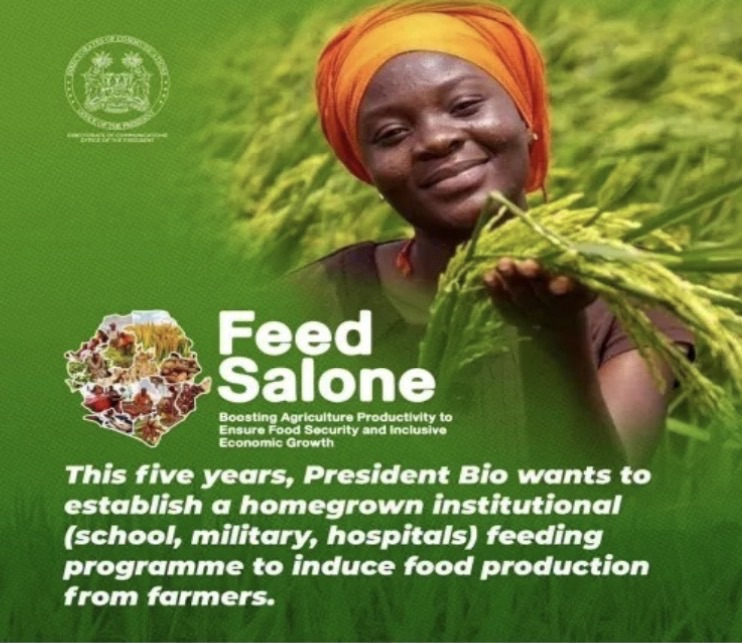
The Feed Salone Project, launched by President Julius Maada Bio in October 2023, was designed to transform Sierra Leone’s agriculture sector by creating job opportunities for women and youth, alleviating hunger and malnutrition, reducing dependence on food imports, building a climate-resilient food system, and boosting export earnings from agriculture.
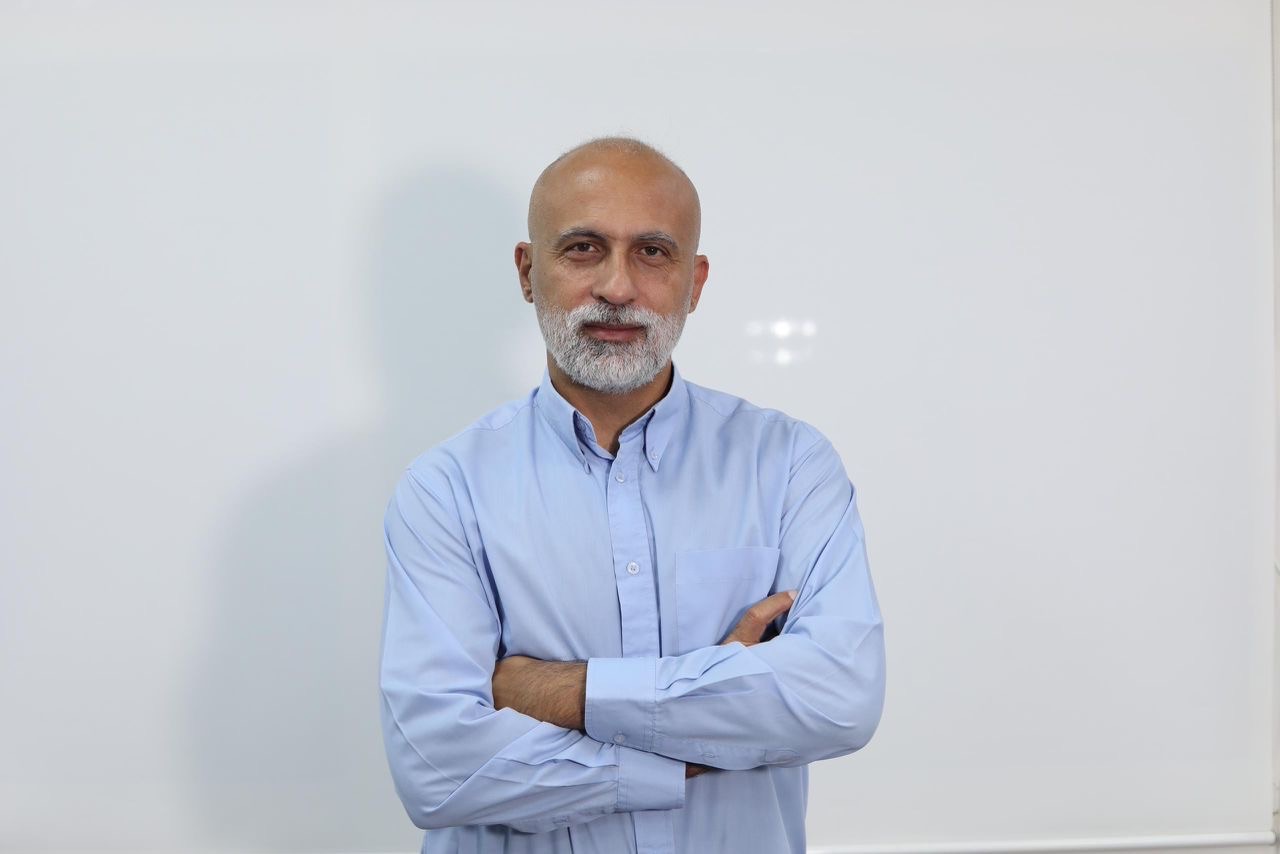
Marking its second anniversary this year, the Minister of Agriculture and Food Security, Henry Musa Kpaka, said in an interview with AYV that the project has succeeded in reducing food insecurity and minimizing shortages of key commodities — not only imported rice, but also local produce that once faced seasonal scarcity.
“We have seen instances where we did not have onions in this country; if it were available, it would be more expensive than imported ones. Similarly for eggs but now, it’s a different trend,” he cited.
The Minister further emphasised that the President’s vision is for Sierra Leoneans, especially young people, to see agriculture as the foundation of the economy and a viable career path. He recalled that before traveling to the Gambia, the Ministry organised a major education summit to align agricultural transformation with human capacity development marking what he described as “the beginning of something entirely different in agriculture.”
Minister Kpaka expressed optimism that the project will ultimately lead to greater private sector investment and stronger national ownership of agriculture. “It’s going to take years,” he admitted, “but it’s going somewhere.”
He also highlighted ongoing infrastructure developments under Feed Salone, revealing that the President is set to commission a new bridge on November 30th to link farmers to markets, while in January, a Youth Agri-preneurshipInnovation Hub will be launched at Njala University giving young people hands-on experience in modern farming practices.
“We want to reach a point where our farmers can earn good income, and consumers can afford food at a reasonable price,” he concluded. “As new agro-industries emerge, farmers must play their part but we also need to ensure they are happy and motivated. That’s why rice remains our main goal. We are growing gradually; yields are now around 2.5 metric tons per hectare, and although other countries are ahead, we are working seriously to close that gap.”
Two years on, Feed Salone appears to be shifting attitudes and strengthening foundations in Sierra Leone’s agriculture sector. While the journey to full food self-sufficiency continues, the project has already begun to show signs of progress from improved production and market linkages to renewed national confidence in farming as a driver of growth and opportunity.