By Alvin Lansana Kargbo
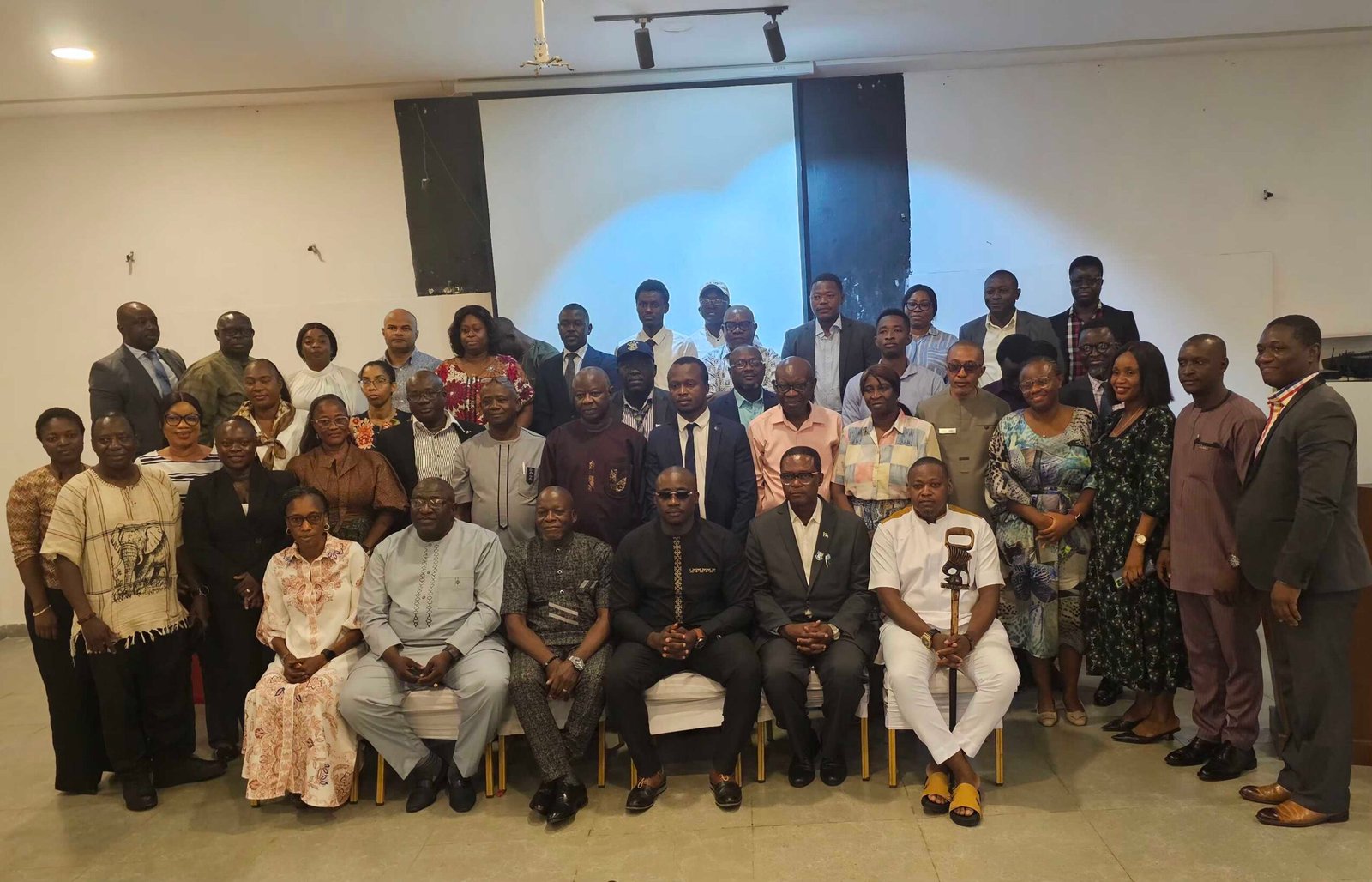
The National Civil Registration Authority (NCRA) on Monday, 17 November 2025, conducted the final national validation of the draft National Civil Registration and Identification Bill and its accompanying regulations. The event, held at the Sierra Palms Hotel in Aberdeen, followed months of extensive nationwide consultations aimed at modernizing Sierra Leone’s civil registration and identity management framework.
The draft National Civil Registration and Identification Act 2025 seeks to address gaps and conflicts in the 2016 legislation and integrate emerging requirements such as cybersecurity, digital identity, data protection and improved interoperability across Government systems. According to NCRA, the revised legal framework is intended to strengthen the country’s Civil Registration and Vital Statistics (CRVS) systems and ensure the availability of accurate, reliable population data for national planning, service delivery and identity verification.
Director General Mohamed Mubashir Massaquoi described the validation as a culmination of a reform process that began around 2020 and involved over 60 institutions drawn from Government Ministries, Departments and Agencies (MDAs), the private sector, civil society, development partners and parliamentary committees.
He recalled early support from the European Union, UNDP and the Irish Embassy during initial consultations and noted that although the bill and regulations were first validated in 2022, new global concerns, particularly cybersecurity, necessitated further review. UNICEF, he said, supported the second review phase despite global resource constraints.
Mohamed Mubashir Massaquoi emphasized that the NCRA actively sought parliamentary input, particularly from the Internal Affairs Committee and the Legislative Committee, whose detailed reviews helped identify and resolve potential legal and operational conflicts ahead of the bill’s submission to Cabinet and Parliament.
He expressed confidence that the revised bill is now comprehensive, inclusive and reflective of the country’s current and future civil registration and identity management needs. He thanked the Ministry of Internal Affairs, parliamentary committees, the Office of the Auditor General, the Judiciary, MDAs, the Sierra Leone Police, civil society, UNICEF and prior partners for their contributions.
Hon. Mamoud Kamara, representing the Parliamentary Committee on Internal Affairs, said stakeholders’ participation reflected a shared commitment to strengthening national identity management. He stated that the committee had been actively engaged with NCRA throughout the review process and was confident that the proposed legal framework would provide a solid foundation for protecting data integrity and enhancing national identity systems for generations.
He stressed the need for flawless legislation and urged alignment with the Constitution and strict enforceability across all registration offices nationwide. Hon. Mamoud Kamara maintained that the bill and regulations offer clear solutions to long-standing operational challenges and are crucial to preventing identity compromise and fraud.
Chairman of the Parliamentary Legislative Committee, Hon. Abdul S. Murray Conteh, said the revised bill is designed to modernize civil registration and identity management while improving the delivery of social services, national planning and statistical integrity. He highlighted challenges posed by overlapping institutional mandates and noted that the proposed bill focuses on uniformity, data integrity and efficient service delivery.
Hon. Abdul S. Murray Conteh said the validation marked the conclusion of extensive consultations involving experts and stakeholders. While acknowledging that no legislation is perfect, he assured participants that substantial work had been done to address gaps and minimize challenges during parliamentary deliberations.
Speaking on behalf of UNICEF, Child Protection Specialist, Madam Kebbie, emphasized the importance of aligning the legislation with human rights and child rights standards. She described birth registration as a foundational right that enables access to health, education and protection services.
She urged stakeholders to ensure robust inter-sectoral coordination across health, education, social protection and local councils, and stressed the need for a future-ready system capable of supporting digital identity, interoperability and strong data protection. UNICEF, she said, would continue supporting the Government through the drafting, validation and enactment phases.
Deputy Minister of Internal Affairs, David Fortune, who opened the session, said the 2016 Act had become increasingly inconsistent with emerging realities and other legal provisions. He underscored the need for a modern legal framework capable of guiding effective CRVS and identity management while resolving existing legislative conflicts.
David Fortune called for a meticulous validation focused on consistency, clarity and practicality, urging stakeholders to engage collaboratively to ensure a legally sound document ready for Cabinet and parliamentary consideration. He expressed confidence that the outcome would produce a future-proof bill that serves both citizens and non-citizens.
With the final validation now completed, NCRA is expected to incorporate the last set of stakeholder inputs before formally submitting the draft bill and regulations to the Cabinet. Once approved, the document will proceed to Parliament for debate and enactment.
The updated National Civil Registration and Identification framework is anticipated to strengthen Sierra Leone’s identity ecosystem, enhance data accuracy, support national development planning and modernize vital events registration across the country.
The Calabash Newspaper is Sierra Leone’s leading English‑language news platform—established in 2017 to deliver trusted coverage of politics, culture, health, and more to audiences both at home and abroad.