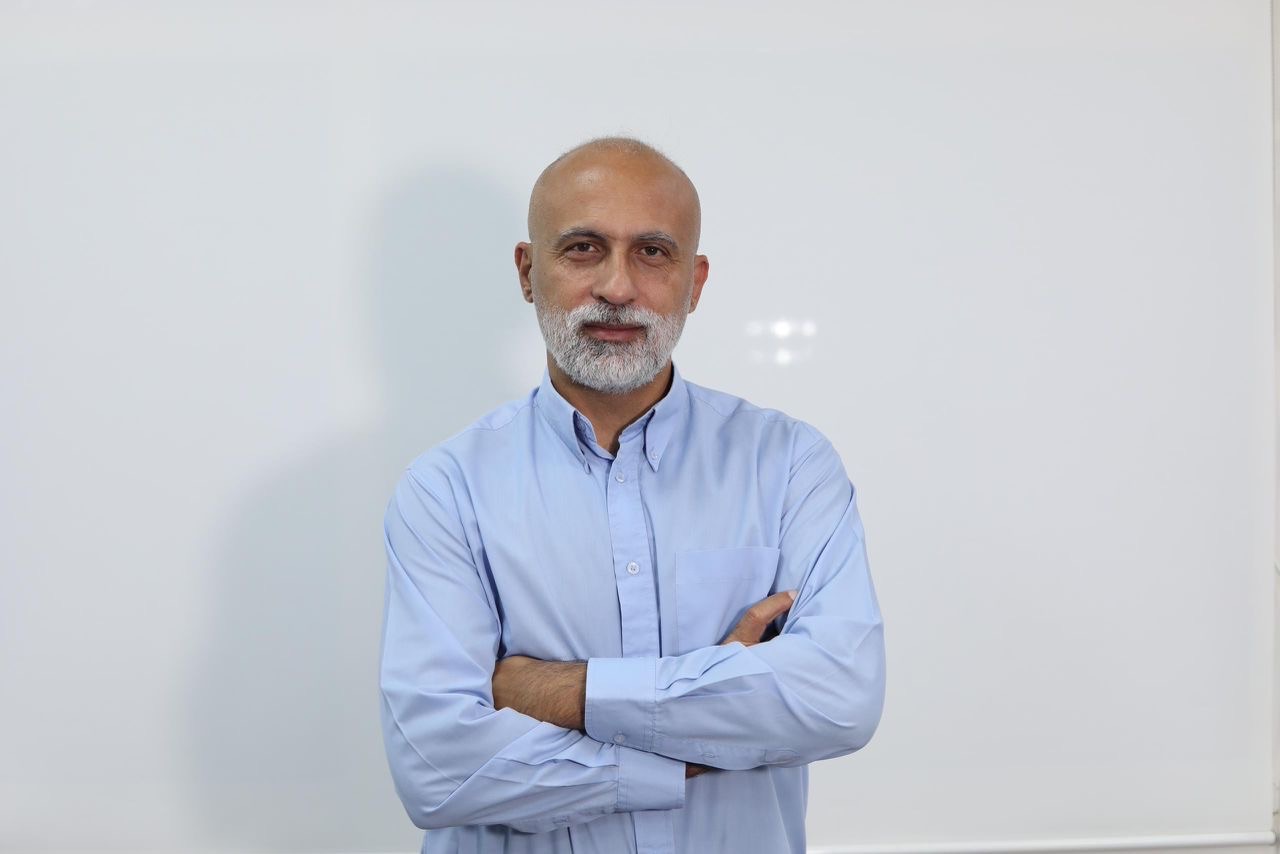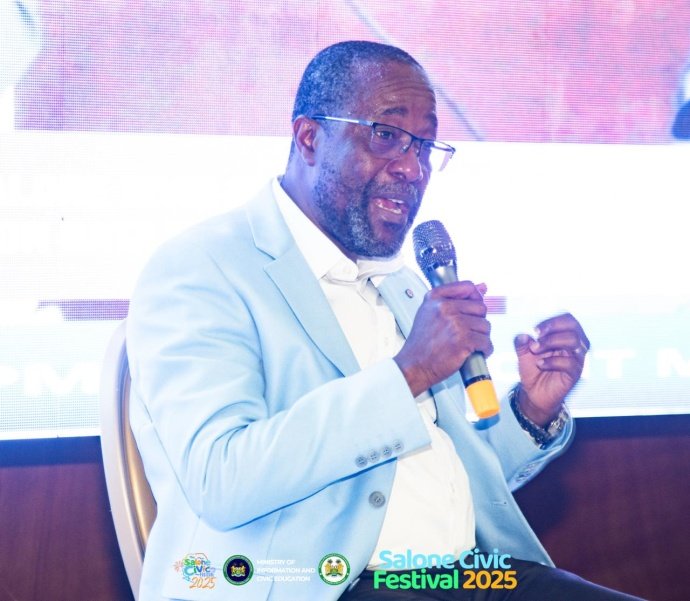
Minister of Employment, Labour and Social Security, Mohamed Rahman Swaray
Sierra Leone’s Minister of Employment, Labour and Social Security, Mohamed Rahman Swaray, has announced a major labour reform that will see the national minimum wage increased from NLe 800 to NLe 1,200, effective April 2026. The announcement was made during the Salone Civic Festival held on 12 December 2025, organized by the Ministry of Information and Civic Education.
The development follows months of consultations with employers and labour partners across the country, initiated after His Excellency President Dr. Julius Maada Bio acknowledged that the existing wage no longer reflects the country’s economic realities.
“After extensive negotiations with employers nationwide, we have agreed to increase the minimum wage to NLe 1,200 effective April 2026,” Minister Mohamed Rahman Swaray said. “While it may not fully meet expectations, it provides essential relief for citizens confronting economic challenges.”
In addition to the wage increase, Mohamed Rahman Swaray unveiled a sweeping social protection initiative targeting millions of Sierra Leoneans currently excluded from the National Social Security and Insurance Trust (NASSIT).
He noted that NASSIT’s current coverage reaches only the formal sector, approximately 9 percent of the population, leaving the vast informal sector without any structured safety net.
“The informal sector constitutes nearly 70 percent of our population: traders, bike riders, tailors, fishermen, market women and countless others,” the Minister said. “Our policy now seeks to extend social protection to this majority who drive our economy every day.”
He confirmed that the Law Officers’ Department has completed the first draft of the legal framework for the scheme, which will be presented to Parliament in the first quarter of 2026.
Mohamed Rahman Swaray underscored that integrating informal workers into NASSIT is essential for safeguarding their long-term security.
“The scheme is designed to eliminate uncertainty about their future,” he explained. “At retirement or during illness, they will have something reliable to fall back on. Their contributions today will become their lifeline tomorrow.”
Under the new framework, informal sector workers will be entitled to retirement pensions, survivors’ benefits and other social protection mechanisms currently available only to formal employees.
The increase in the minimum wage, combined with plans to expand NASSIT coverage, signals a major shift toward an inclusive labour system in Sierra Leone.
By addressing immediate wage concerns while laying the foundation for long-term security for informal workers, the reforms reflect President Bio’s commitment to ensuring no worker is left behind.
As Parliament prepares to consider the new framework in early 2026, the initiatives promise to reshape Sierra Leone’s labour landscape and strengthen national economic resilience.