AYV News, December 16, 2025
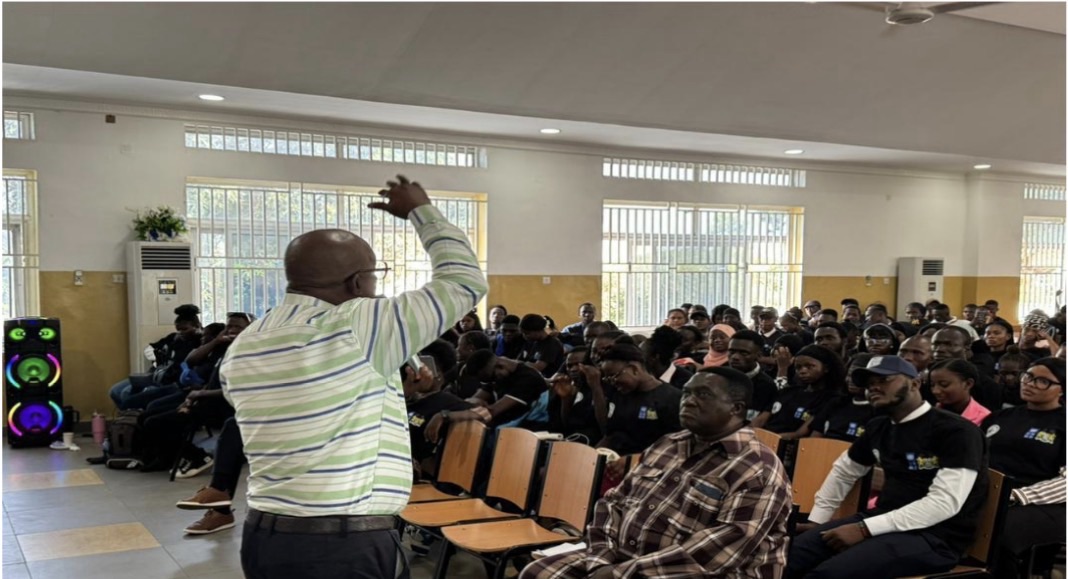
As Sierra Leone marked the close of the global 16 Days of Activism Against Gender-Based Violence, the Kids Advocacy Network (KAN), in partnership with the United Nations Development Programme (UNDP), on the 11th December at Fourah Bay College convened a high-level National Symposium on Technology-Facilitated Gender-Based Violence bringing together policymakers, students, university administrators, civil society actors, and development partners to confront one of the most pressing challenges facing women and girls in the digital age.
The symposium, held under the global theme “Unite! End Digital Violence Against All Women and Girls,” was officially opened by the Minister of Technical and Higher Education, Dr. Hon. Ramatulai Wurie, who delivered a powerful keynote address underscoring the urgent need for collective action to make digital spaces safer for young people, particularly women and girls.
Executive Director of the Kids Advocacy Network delivered the welcome address and symposium overview, outlining KAN’s work on child and youth protection, digital safety, and gender justice. The Executive Director highlighted the organization’s research and advocacy on technology-facilitated GBV and the need for coordinated national action.
A major highlight of the symposium was the official launch of Monitoring+, an innovative e-monitoring system designed to track the prevalence, patterns, and trends of technology-facilitated GBV. The platform is expected to provide critical insights that will strengthen prevention efforts, improve response mechanisms, and support evidence-based policymaking.
According to organizers, Monitoring+ represents a significant step forward in leveraging technology as a protective tool—transforming digital spaces from sites of harm into platforms for accountability and justice.
In her remarks, Dr. Wurie commended KAN and UNDP for organizing what she described as a “timely and meaningful national dialogue,” noting that technology, while transformative, has also created new and fast-evolving forms of harm.
“Technology-Facilitated Gender-Based Violence is one of the most urgent challenges confronting young people today,” the Minister stated. “It is silent but deeply destructive. It hides behind screens, spreads across social media, and infiltrates messaging groups and online communities where our students spend so much of their time.”
Drawing from findings of a recent perception survey by the Kids Advocacy Network, Dr. Wurie highlighted the growing prevalence of non-consensual image sharing, sextortion, cyber harassment, impersonation, online coercion, and the weaponisation of digital content to shame, threaten, or manipulate victims. She warned that these violations undermine dignity, disrupt learning, and pose long-term risks to mental, social, and economic wellbeing.
She emphasized that educational institutions must remain spaces of safety and empowerment, cautioning that when young women and girls begin to see the digital world as unsafe, society risks losing their creativity, voices, and full participation in national development.
“Ending digital violence is not only about systems—it is about humanity,” she noted, urging young people to practice kindness online, refuse to share harmful content, call out abuse, and support those who have been targeted. She stressed that protecting one another online is an act of leadership and a shared responsibility involving educators, parents, community leaders, men and boys, and women and girls alike.
The Deputy Country Representative of UNDP Sierra Leone Kevin Petrini reaffirmed the organization’s commitment to supporting national efforts to combat technology-facilitated GBV. The statement emphasized UNDP’s focus on inclusive digital transformation, gender equality, and the protection of human rights in online spaces, particularly for women, girls, and other vulnerable groups.
UNDP underscored the importance of partnerships with civil society organizations such as KAN, noting that community-driven data, youth engagement, and evidence-based interventions are critical to shaping effective policy and response mechanisms.
The President of the National Union of Sierra Leone Students (NUSS) Fiona Gaima also delivered a statement, speaking candidly about the realities faced by students in digital spaces. The student leadership called for stronger protections, awareness, and accountability mechanisms within schools, colleges, and universities, emphasizing that online abuse directly affects students’ wellbeing, academic performance, and participation in leadership.
The address reinforced the importance of youth leadership in challenging harmful norms and building respectful digital.