Want to bookmark your favourite articles and stories to read or reference later? Start your Independent Membership today.
Join today
Already a member?
Log in
Your support helps us to tell the story
From reproductive rights to climate change to Big Tech, The Independent is on the ground when the story is developing. Whether it’s investigating the financials of Elon Musk’s pro-Trump PAC or producing our latest documentary, ‘The A Word’, which shines a light on the American women fighting for reproductive rights, we know how important it is to parse out the facts from the messaging.
At such a critical moment in US history, we need reporters on the ground. Your donation allows us to keep sending journalists to speak to both sides of the story.
The Independent is trusted by Americans across the entire political spectrum. And unlike many other quality news outlets, we choose not to lock Americans out of our reporting and analysis with paywalls. We believe quality journalism should be available to everyone, paid for by those who can afford it.
Your support makes all the difference.Read more
Away from the grandstanding and his first face-to-face encounter with Donald Trump, Andy Burnham has taken a significant step further towards engaging in a direct conflict in the Gulf.
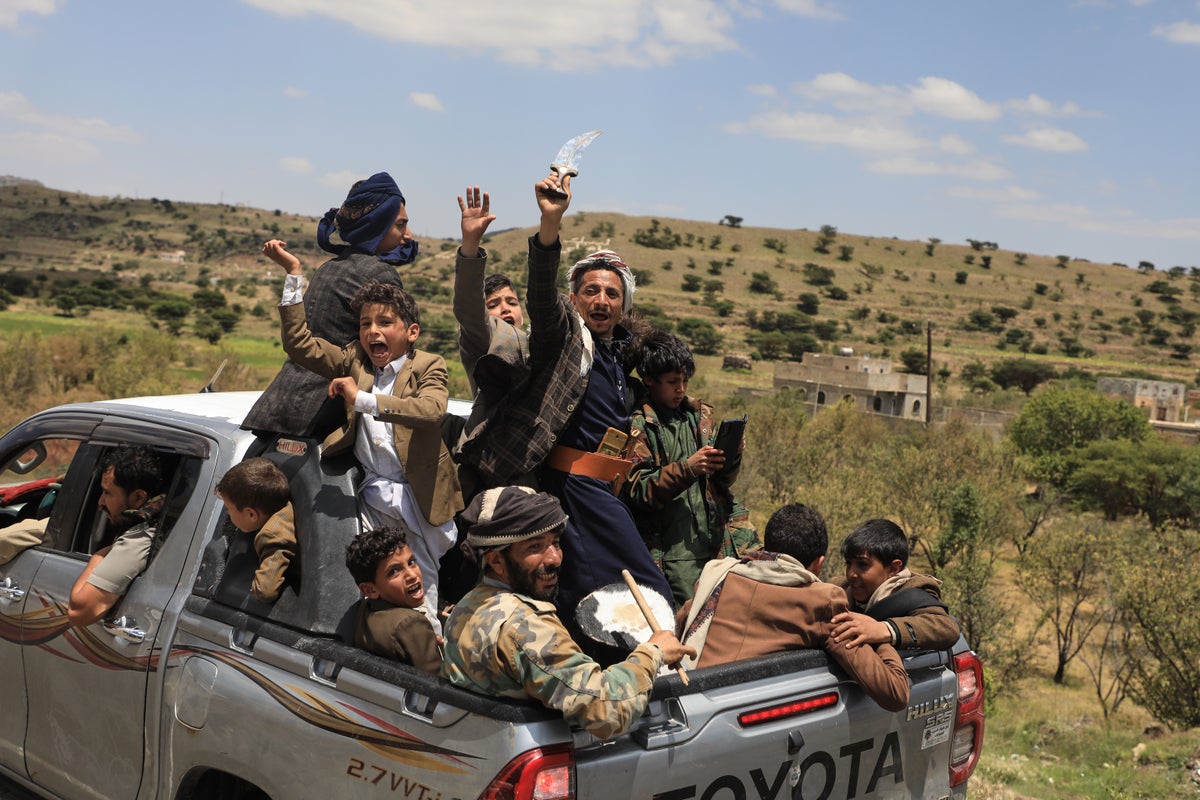
The prime minister has agreed to a request from Saudi Arabia for military assistance to combat the rebel Houthi guerrillas who are in the process of taking control of Yemen’s Red Sea coast.
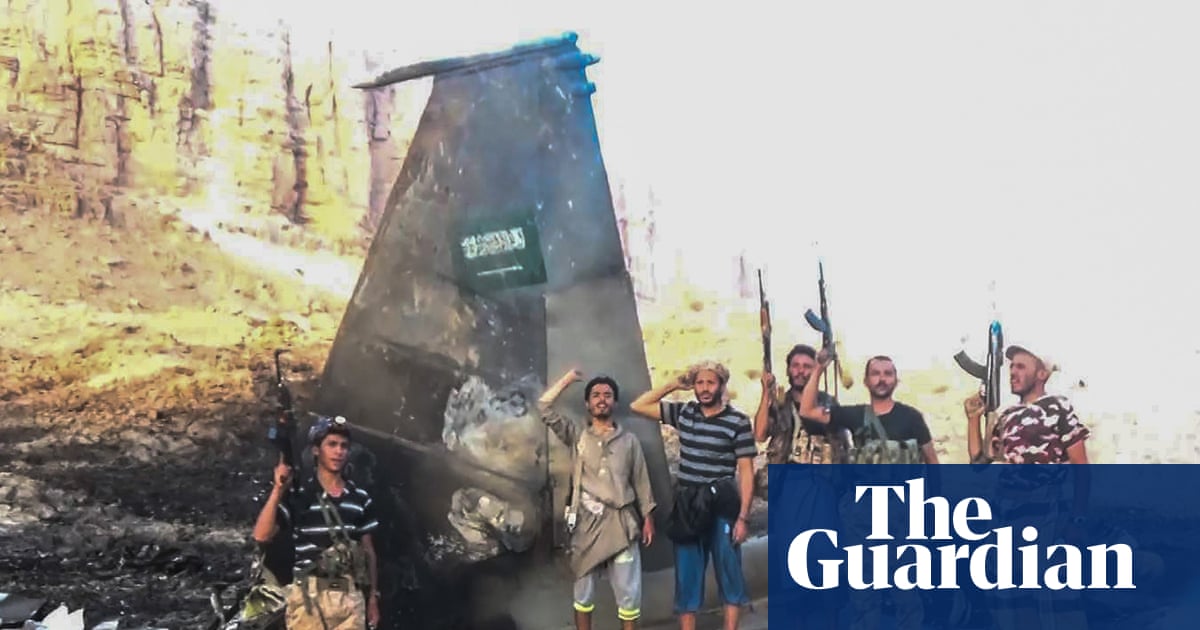
The rebels are in effective control of the vital Strait of Bab al-Mandab, after a rapid advance against Yemeni government forces, which are backed by Saudi Arabian air power, as has often been the pattern during the decades-long on-off civil war in Yemen.
Reawakened by the Israeli-US attacks on Iran, the Houthi rebels have now secured a veto over shipping in and out of the Red Sea, and thus all that economically vital traffic to and from Europe, the Gulf and the rest of Asia via the Suez Canal. As the western counterpart to the Strait of Hormuz in the Persian Gulf itself, this means that Tehran has now further tightened its grip on the world’s energy supplies and the global economy: Iran, through its proxies, has thus taken another strategic supply route “hostage”.
Mr Burnham has taken the decision to provide airborne refuelling facilities to Saudi air force planes. It is expressly limited and “defensive”, as was the permission granted by Sir Keir Starmer earlier for the US to use its air bases on British territory. However, that obviously isn’t how the Houthis or the Iranians view it, and such force commitments tend to stretch over time through “mission creep”.
It is a curious move from Mr Burnham, given that President Trump, already embroiled in the Iran war, has turned down the request from such a cherished ally as Saudi Arabia for assistance, which would seem to be entirely in the United States’s interests. Yet, it is precisely because Mr Trump is so badly trapped in this unwinnable war now that he cannot open up a new front in the conflict, even at the Saudis’ request. He may also be running a little low on money and munitions; and above all, he must be acutely conscious of just how unpopular his war is with American voters, who’ll be off to the polls in a few weeks in the Congressional elections to register their displeasure.
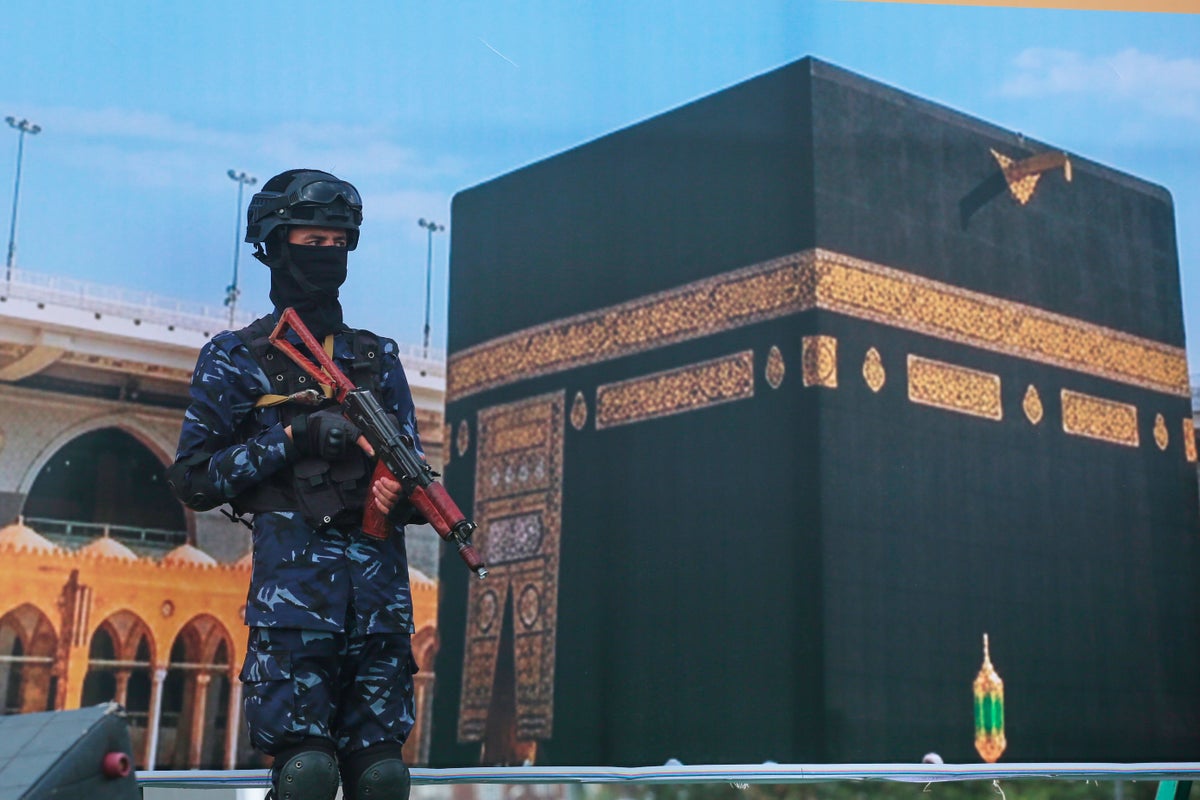
In return for Mr Trump’s uncharacteristic restraint, Houthi leaders have graciously agreed not to target US or other Western shipping moving in the Red Sea, reserving their attacks for Saudi-identified tankers. This is hardly reassuring. So, rather than watch as the Houthis take over the whole of Yemen and potentially escalate the war further into Saudi Arabia, the British have decided to take the risk and support Saudi Arabia. After all, there were suggestions a few weeks ago that the Houthis were planning a strike against Mecca, with all the particular suffering, distress and chaos that would entail for that holy site.
Despite its appalling human rights record and a poor record of success in its merciless proxy war with Iran in Yemen, Mr Burnham judges this a risk worth taking. So do the French, simultaneously bolstering the air defences around Saudi infrastructure that the US has neglected. The UK and France are looking to their own interests, principally domestic energy bills and the risk of a domestic recession. But there are even bigger stakes in play.
The worst-case scenario is simply too horrible to contemplate: the entire Gulf region collapsing into internecine war and eventually coming to be dominated by Iran. The dire consequences for the people of the region and for the world can hardly be overstated. It would thrust the traditional Shia-Sunni schism, which lies underneath most of the violence and the Iran-Saudi rivalry, even more into geopolitics, and neither Israel nor the West could ignore such a conflagration.
These are some of the “dark clouds of global instability” directly affecting people’s lives all over the world that Mr Burnham has referred to, and he is entirely right. He knows who it is that has landed us in this mess; but there is only so much a middle-sized power edging towards a fiscal crisis can do, both in the Middle East and on AI and climate change, to influence the Trump administration.
If the modest assistance being afforded to the Royal Saudi Air Force helps to halt the rise of the Houthis, and thus the Iranians, and hasten the end to the Gulf war, then Mr Burnham will rightly take some credit. If not, then he will soon discover just how Sir Keir Starmer felt when his handling of the Iran conflict angered the increasingly emboldened parliamentary Labour Party – accomplished rebels themselves.