A groundbreaking new study is taking aim at one of Aotearoa’s most persistent health inequities — the late diagnosis and poorer outcomes experienced by Pacific women with breast cancer.
Waipapa Taumata Rau, University of Auckland researcher and oncologist Dr Olivia Perelini and researcher Dr Seini Taufa will lead the Health Research Council funded project.
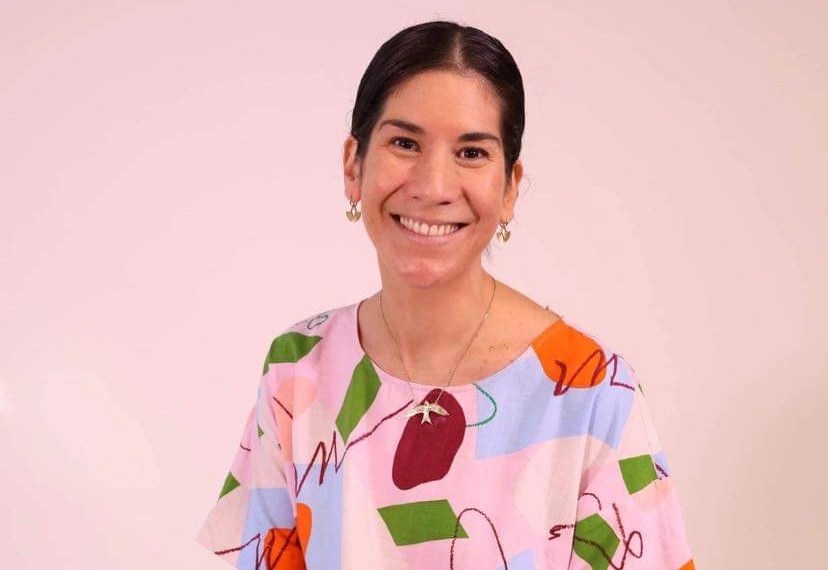
Dr Seini Taufa will co-lead the Pacific-led research project examining barriers across the breast cancer pathway and helping develop culturally grounded solutions for Pacific women and their families. Photo: Supplied
Their team has been awarded nearly $1.2 million to lead a three-year Pacific health research project titled Timely Detection & Treatment: Closing the Breast Cancer Gap for Pacific Women.
The study, led through Te Poutoko Ora a Kiwa, will examine the entire breast cancer pathway, from screening and diagnosis through to treatment and survivorship, with the goal of identifying where the system is failing Pacific women and how it can be improved.
“This research is very close to my heart,” says Dr Perelini. “In my day-to-day work, I see too many Pacific women presenting with advanced disease and needing intensive treatment. We’re often seeing people at the very end of the pathway, when what we really want is to detect cancer earlier and treat it sooner.”
Stark inequities driving urgent research
The project responds to stark and persistent inequities in breast cancer outcomes.
Pacific women in Aotearoa are significantly less likely to participate in breast screening, more likely to be diagnosed at a later stage, and experience poorer survival outcomes than non-Pacific women.
“Pacific women are around 50 percent more likely to die from breast cancer,” Perelini says. “We are also seeing younger women diagnosed, often with more advanced and aggressive disease.”
Delayed diagnosis is a key driver of these outcomes, with many women entering the system when cancer has already progressed.
“We’re seeing a high number of women presenting with metastatic disease — meaning the cancer has already spread,” she says. “That’s something we must change.”
A Pacific-led, community-centred approach
What makes this research distinctive is its Pacific-led methodology and strong community focus.
The study will bring together clinicians, researchers, Pacific community providers and families to co-design solutions that are culturally grounded and practical.
“We know there has been strong work in this space already,” says Dr Perelini. “But what’s new here is a dedicated Pacific team analysing the data and working directly with our communities to design solutions that reflect their realities.”
The research will unfold in three phases:
- analysing national breast cancer data to quantify inequities
- undertaking talanoa with Pacific women, whānau and clinicians
- co-designing and piloting new interventions to improve outcomes
Central to the project is the recognition that systemic barriers — alongside cultural, social and practical factors — influence whether women access screening and care.
“Sometimes it’s not one big issue, but a series of small barriers that add up,” Perelini says. “We need to understand where those gaps are and how we can redesign the system so it works better for everyone.”
Women putting themselves last
Perelini says late diagnosis is often linked to broader social realities, including the multiple roles Pacific women carry within families and communities.
“Many women put themselves last,” she says. “They’re taking care of everyone else, and their own health comes later — even when screening is available.”
Despite initiatives such as the Faster Cancer Treatment (FCT) guidelines, BreastScreen Aotearoa programme and Te Aho o Te Kahu-led reforms, inequities exist with evidence that Pacific women are more likely to face longer diagnostic and treatment delays.
Fear and stigma around cancer can also delay help-seeking.
“There’s still a lot of fear associated with the word ‘cancer’. Part of this work is about building trust, making services more accessible, and ensuring women feel safe to engage in the system.”
Building solutions with communities
A key outcome of the project will be the development of targeted, culturally grounded interventions — such as improved navigation support, outreach models, and more effective screening engagement strategies.
These solutions will be piloted in high-need regions and evaluated for their impact.
“For us, success means more cancers being detected earlier, when treatment is more effective — and ultimately, fewer Pacific women dying from breast cancer,” says Perelini.
Leadership from Te Poutoko Ora a Kiwa
Te Poutoko Ora a Kiwa co-director Professor Sir Collin Tukuitonga says the research represents an important step toward achieving equity in cancer outcomes.
“This kaupapa goes to the heart of a long-standing inequity affecting Pacific women and their families. By combining robust data with Pacific knowledge and community partnership, this research has the potential to deliver real, practical change where it is most needed.”
A timely intervention
With national efforts already underway to improve cancer care, Perelini says this research will provide critical insight into why progress has been uneven for Pacific communities.
“We’ve made advances in cancer treatment and systems, but the gap hasn’t closed as quickly as we’d like,” she says.
“This is about asking — what are we missing? And how do we do better?”
Waipapa Taumata Rau, University of Auckland media release.