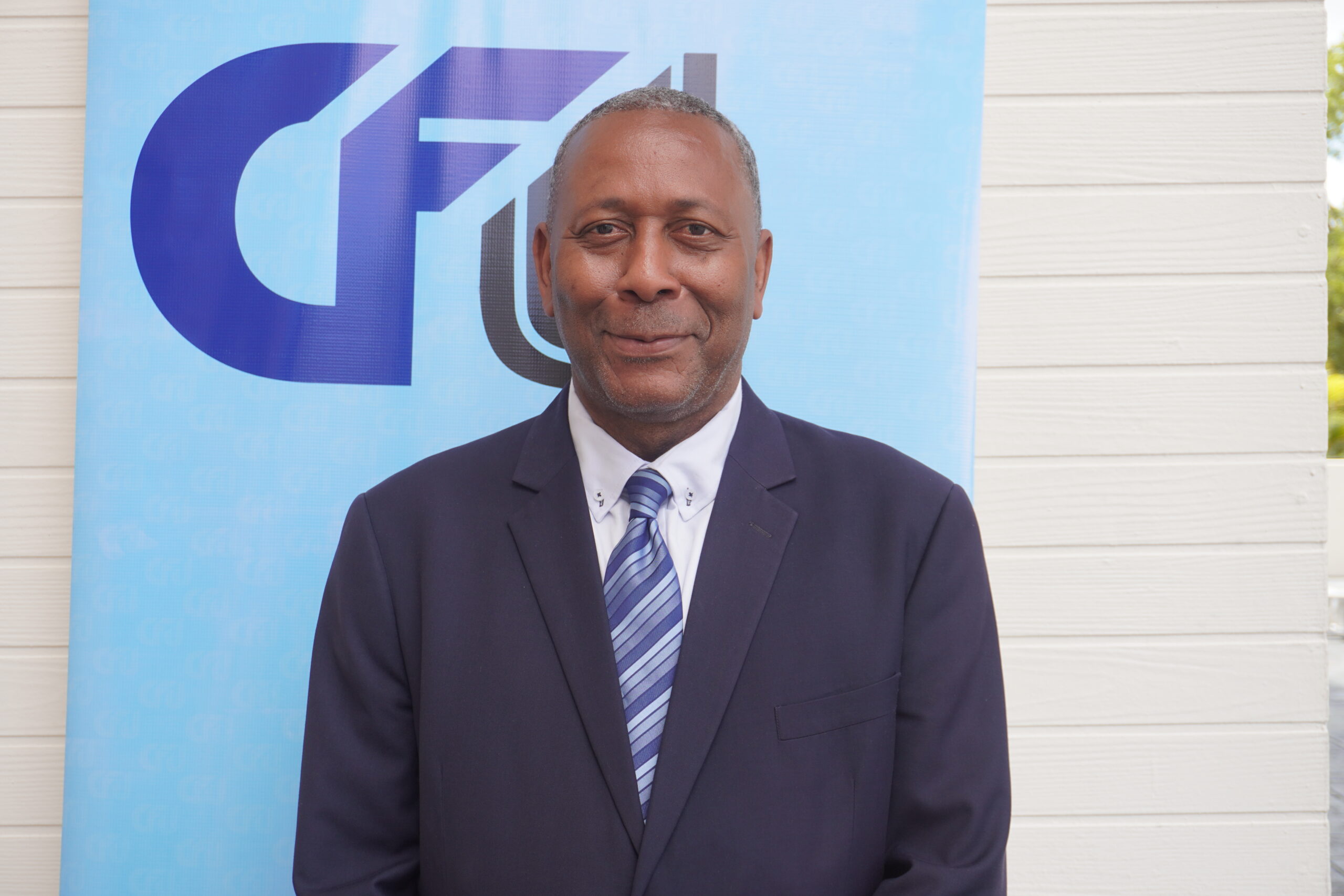
Prime Minister Philip J Pierre has renewed calls for stricter road safety and personal responsibility following a fatal head-on collision in Vieux Fort that claimed the life of Viclann “Gollet” Joseph on Sunday evening, leaving several injured, and another recent accident in which young footballer Dayna Tobierre died.
Speaking at a pre-Cabinet press briefing on Monday, Pierre said he has a “heavy heart” as the country continues to grapple with what he described as a deeply troubling pattern of road fatalities and serious accidents.
Pierre extended condolences to “the family, friends and community grieving this certain and painful loss” expressing the incident was yet another stark reminder of the consequences of unsafe behaviour on the nation’s roads.
The Prime Minister warned that Saint Lucia has over the years experienced a worrying trend of frequent and avoidable road accidents as hundreds of collisions have been recorded, many of which have resulted in serious injuries and loss of life. He stressed that behind every accident is “a grieving family, a shattered future, and a community left asking why”.
Pierre emphasised that road danger affects all users, regardless of age, profession, or community. He pointed to speeding, distracted driving, reckless overtaking, driving under the influence, and a disregard for traffic laws as ongoing behaviours that continue to place lives at risk daily.
He called on drivers, motorcyclists, pedestrians, cyclists, and passengers alike to obey traffic laws, respect speed limits, avoid alcohol, and distractions, ensure vehicles are roadworthy, and exercise patience and courtesy on the roads.
“These are not optional choices, they are obligations we owe to each other,” he said.
“Most road deaths are preventable… No appointment, no destination, and no moment of impatience is worth a human life”.
He repeatedly urged the country to confront reckless behaviour head-on, declaring, “Let us stop making excuses.”
Pierre outlined that the Government of Saint Lucia has been actively engaged in addressing road safety through national campaigns, strengthened traffic enforcement, and targeted improvements to road infrastructure. However, he cautioned that no initiative can succeed without a fundamental shift in individual conduct.
Pierre also framed road safety as a broader national issue, stating that it is “not merely a traffic issue, it’s a public health issue” adding that road accidents place a heavy burden on the healthcare system, diverting resources that could otherwise be used to address other pressing medical needs.
He condemned impaired and excessive speeding, stating there is “no excuse for driving on the influence of alcohol” and “no excuse for driving at 60, 70 miles an hour on roads that were built for 30 miles per hour”.
He announced that police would be instructed to take measures aimed at reducing what he described as the “carnage and recklessness” on roads. Emphasising the gravity of driving, Pierre reminded motorists that “anytime we are behind a steering wheel, we have lives in our hands”, adding that “a vehicle can be a weapon”.
Rejecting attempts to shift blame solely onto infrastructure or authorities, the Prime Minister acknowledged the importance of lighting and road markings but insisted these cannot justify dangerous driving.