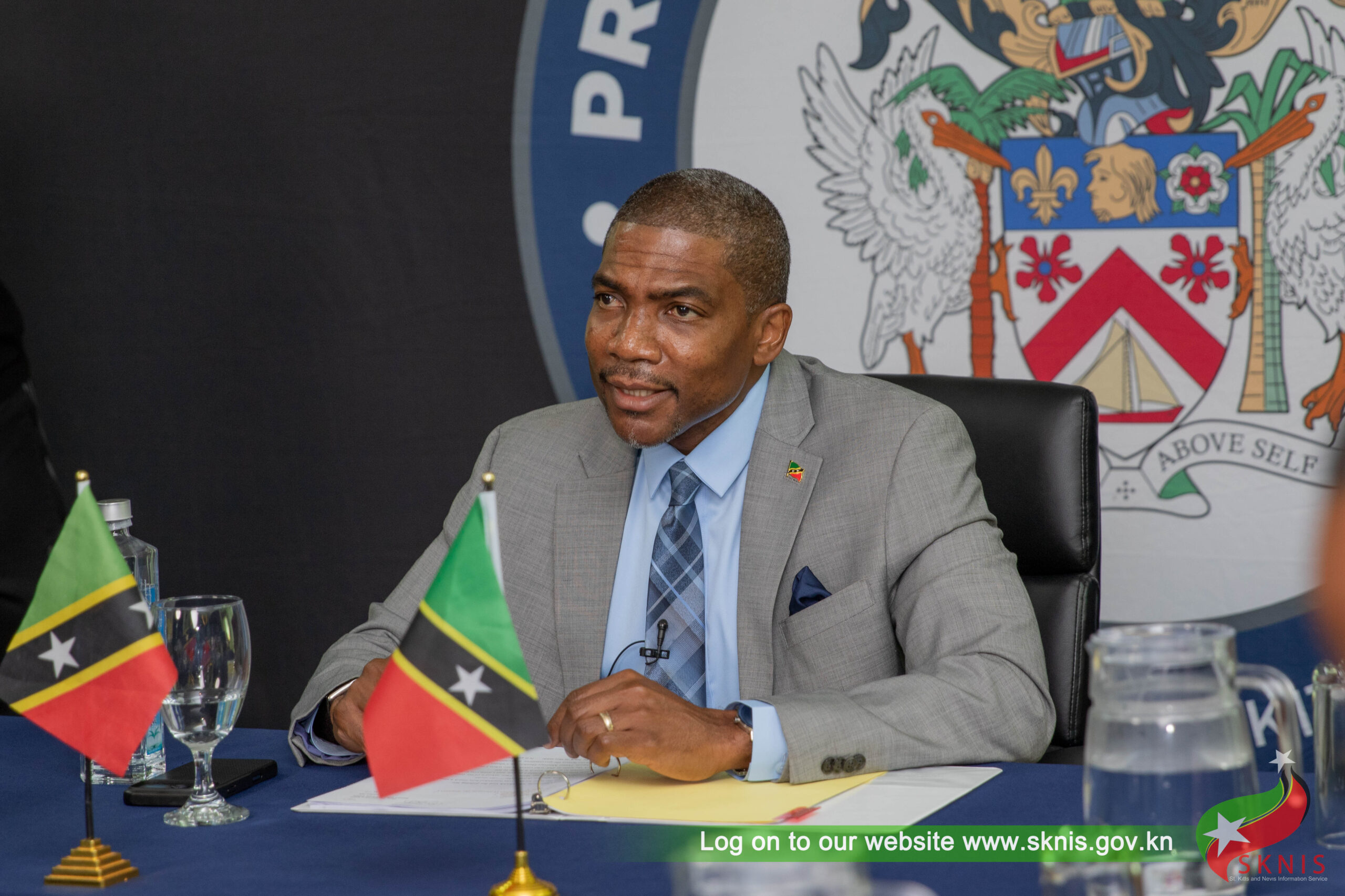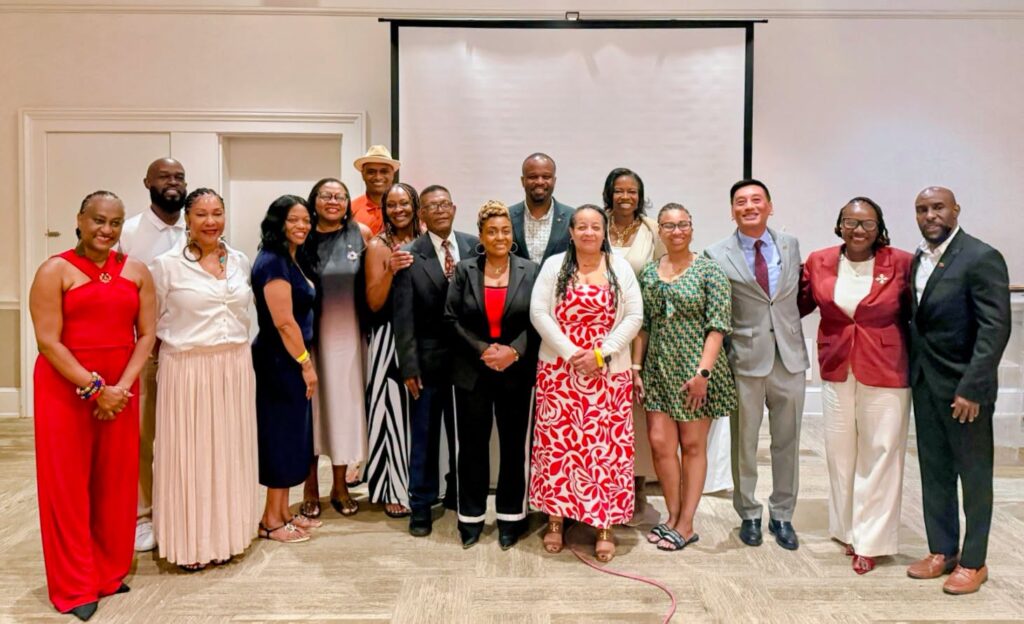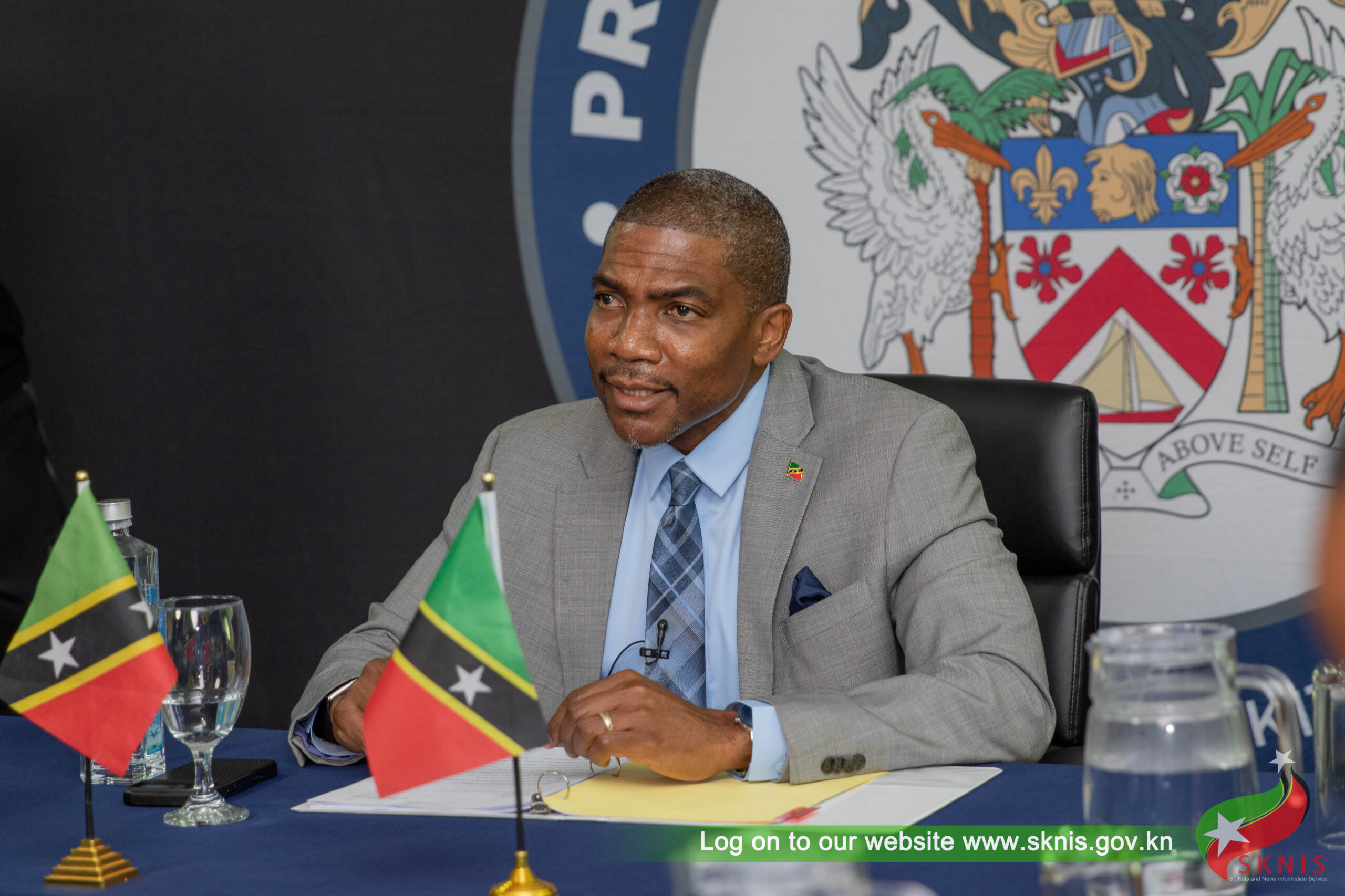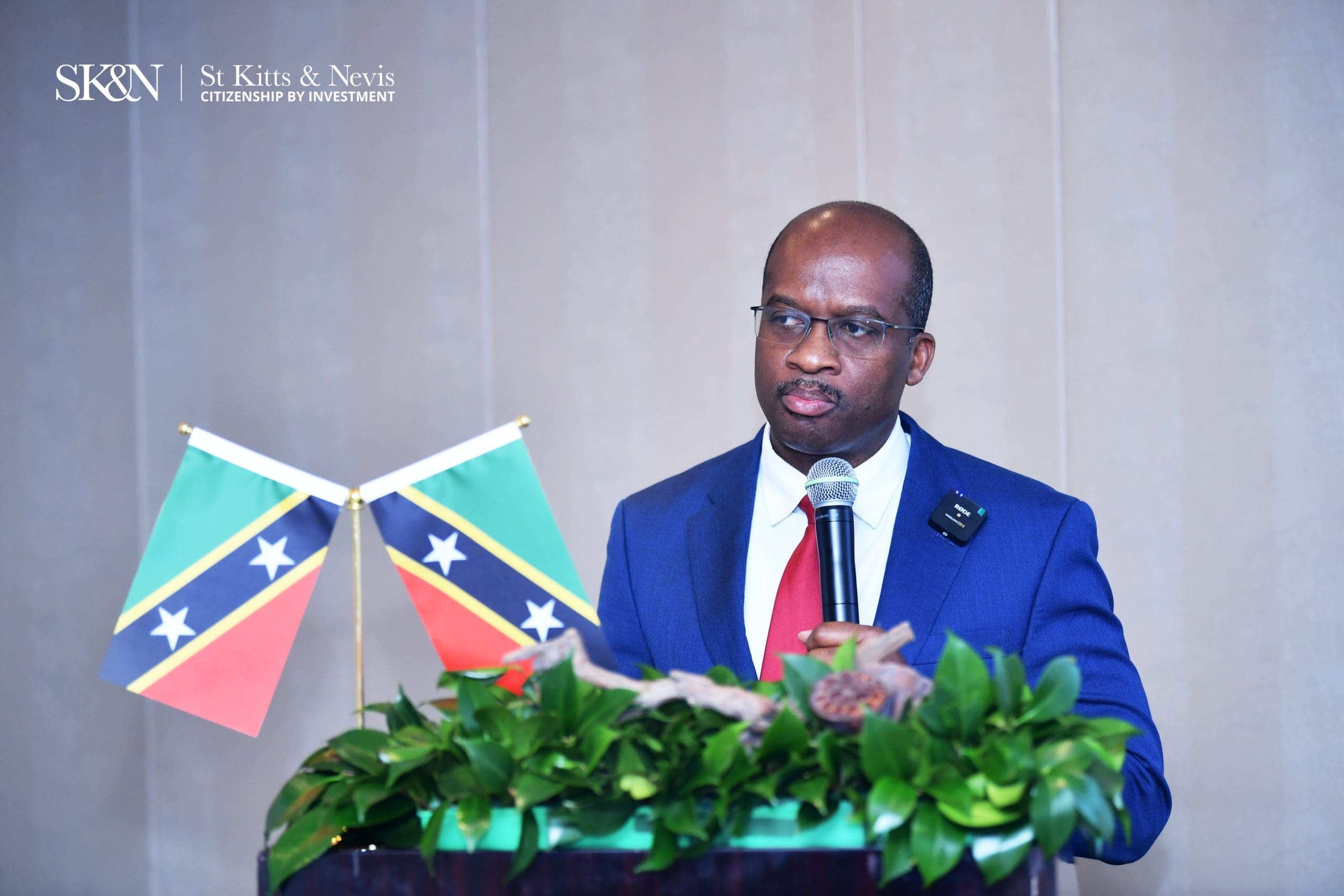
His Excellency Calvin St. Juste, Executive Chairman of the Board of Governors of the Citizenship Unit of St. Kitts and Nevis, recently engaged with key stakeholders of the Citizenship Programme through a breakfast meeting with Authorised Agents and a separate webinar with International Marketing Agents.
The engagements provided an opportunity to address developments affecting the Citizenship Programme, including the evolving international regulatory environment, biometric enrolment and passport modernisation, investment pathways, regional harmonisation under the Eastern Caribbean Citizenship by Investment Regulatory Authority (ECCIRA), application processing, stakeholder communication and the longer-term direction of the Programme.
The discussions form part of the Citizenship Unit’s continued engagement with its international stakeholder network as it strengthens its systems, processes and communication in response to evolving international expectations.
Chairman St. Juste emphasised that Authorised Agents and International Marketing Agents have distinct but complementary responsibilities in maintaining the Programme’s integrity and international understanding.
A central theme across both engagements was the changing regulatory environment surrounding investment migration and Citizenship Programmes.
In addition, St. Juste encouraged marketing partners to rely on officially confirmed information when communicating with prospective clients and to avoid filling information gaps with assumptions, predictions or unverified interpretations.
He further emphasised that the Citizenship Programme should not be marketed on speculation, particularly where regulatory developments remain under consideration or have not yet been formally implemented.
Biometrics and Passport Modernisation
Biometric enrolment and passport modernisation were among the key operational developments discussed during the meetings. St. Juste highlighted the National Biometric Enrolment and Passport Modernisation Programme as an important step in strengthening identity management, documentation and passport security within St. Kitts and Nevis.
The biometric enrolment system launched earlier in 2026, with international enrolment facilities established to provide greater access for citizens and eligible persons required to complete the process.
From 1 September 2026, biometric enrolment was integrated with the passport process, marking a further step towards a more coordinated identity and passport management system.
Agents were urged to ensure clients are clearly informed of the biometric enrolment requirement, including the 31 July 2027 deadline for existing citizens. The Chairman also highlighted the importance of accessibility in implementing enhanced security measures.
“Accessibility is part of security. We cannot expect citizens and programme clients around the world to meet modern security standards if we do not provide a practical, accessible way to comply”.
He also encouraged marketing partners to ensure that prospective applicants understand the distinctions between the available investment pathways and the requirements associated with each.
ECCIRA and Regional Regulatory Harmonisation
The emerging regional regulatory framework under the Eastern Caribbean Citizenship by Investment Regulatory Authority (ECCIRA) was also discussed in detail.
St. Kitts and Nevis has consistently supported stronger regional coordination and harmonisation, recognising the importance of a robust and credible regulatory framework across the Eastern Caribbean.
He explained that the regional framework will take effect only once the Authority has been operationalised and all participating Member States have formally agreed upon and communicated an effective commencement date.
The Chairman’s clarification was particularly relevant for agents and international stakeholders, reinforcing the importance of communicating the status of regional developments accurately and avoiding assumptions regarding implementation dates or transitional arrangements.
Strengthening Application Processing and Stakeholder Communication
The engagements also provided an opportunity to address operational matters affecting applicants and the international agent network. St. Juste reiterated the Citizenship Unit’s focus on strengthening application processing, maintaining robust due diligence standards and improving communication between the Unit, agents and applicants.
He encouraged Authorised Agents to ensure that applications are submitted with complete and accurate documentation and to work closely with the Unit when additional information or documentation is required.
For International Marketing Agents, he similarly emphasised the responsibility that comes with communicating the Programme to global audiences, particularly at a time when the investment migration sector is undergoing significant regulatory change.
Executive Chairman Calvin St. Juste reiterated that the long-term strength of the Citizenship Programme will depend not only on the regulatory framework established by the Government and the Citizenship Unit, but also on the standards maintained across the international network supporting the Programme.