1
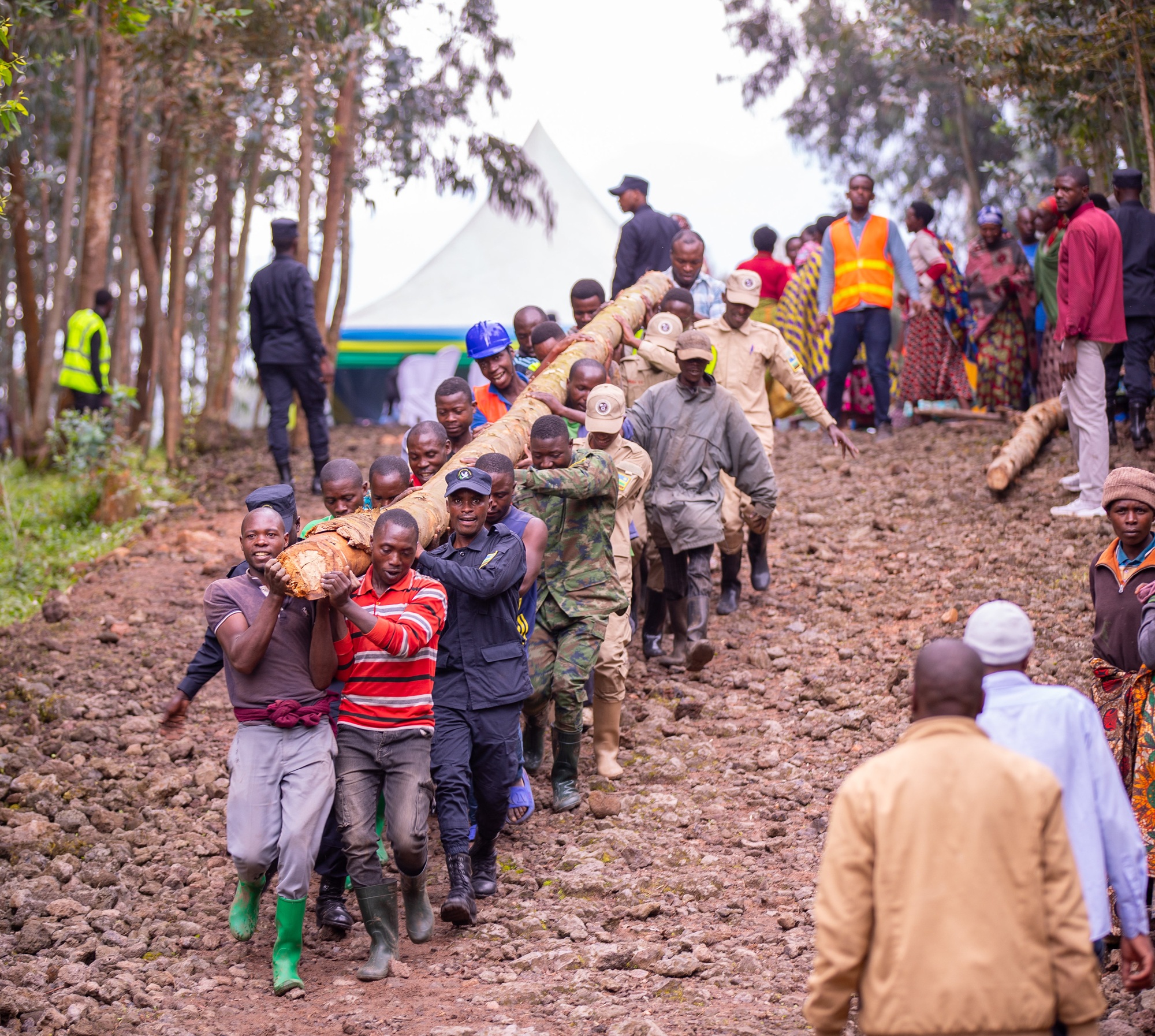
The sense of community built over the years means Rwandans, whether from the security forces, or ordinary villages, feel the responsibility towards each other. Here, everyone is helping construct a local bridge. The sanctions are finding this bond
During last week’s address by President Paul Kagame to the RPF-Inotanyi Political Bureau, two things stood out. The first was his call for self-introspection, a recurring theme under his tenure as party chairman.
The second was the conflict in the neighbouring Democratic Republic of Congo (DRC), including its geopolitical ramifications and the controversial role of the US mediator.
Kagame’s overall message could be summarised as follows: if Rwandans remain united, accountable, and ambitious, and if they avoid creating unnecessary problems for themselves, then no challenge posed by external actors is insurmountable. More precisely, no sanctions will stop Rwandans from achieving their quest for survival, security, and development.
Indeed, looking at the proceedings, one could easily get the impression that both Kagame’s message and the ruling party congress itself followed a similar template: the country’s mantra of staying together, being accountable, and thinking big.
Both underscored the need for unity in the face of adversity. This was reinforced by accounts and testimonies from former FDLR members who had found their way home and seen for themselves what their compatriots had built. They discovered that the narratives they had been fed to justify their continued involvement with a genocidal movement were far removed from the reality of a nation healing and planning its journey towards greatness, building brick by brick the human and material resources needed to reach that destination.
Unity, the message went, is the key to unlocking Rwanda’s potential and withstanding sanctions that seemingly deny the country’s right to peace and security. Sanctions may bite, but they will not break a nation that stands together.
But staying together, however crucial, may not be sufficient on its own. Kagame went further. He called on Rwandans to develop an intolerance for mediocrity and to denounce wrongdoing whenever they saw it. This was not a new message; it is one he has hammered home for decades.
Accountability to oneself and to one another is therefore another key component of what makes the gains of liberation sustainable. It also builds greater resilience in the face of adversity, economic sanctions being one example. A nation that holds itself accountable does not crumble under external pressure; it adapts, endures, and ultimately prevails.
The youth, including the emerging generation of leaders within the party, were not let off the hook. Kagame invited them to take their rightful place, sustain the liberation struggle, and “vibe” on a solid foundation. This is another way of saying that no house should be built on sand.
Throughout, sustainability and resilience, even amidst hostile actions by powerful actors, were only possible in a society that has elevated accountability to a sacred principle.
Most importantly, both Kagame and the congress conveyed a message that reminded everyone that behind every success story there are people who had dreams, who thought outside the box, who never accepted the limitations imposed by unfavourable circumstances, and who pursued those dreams and succeeded against all odds.
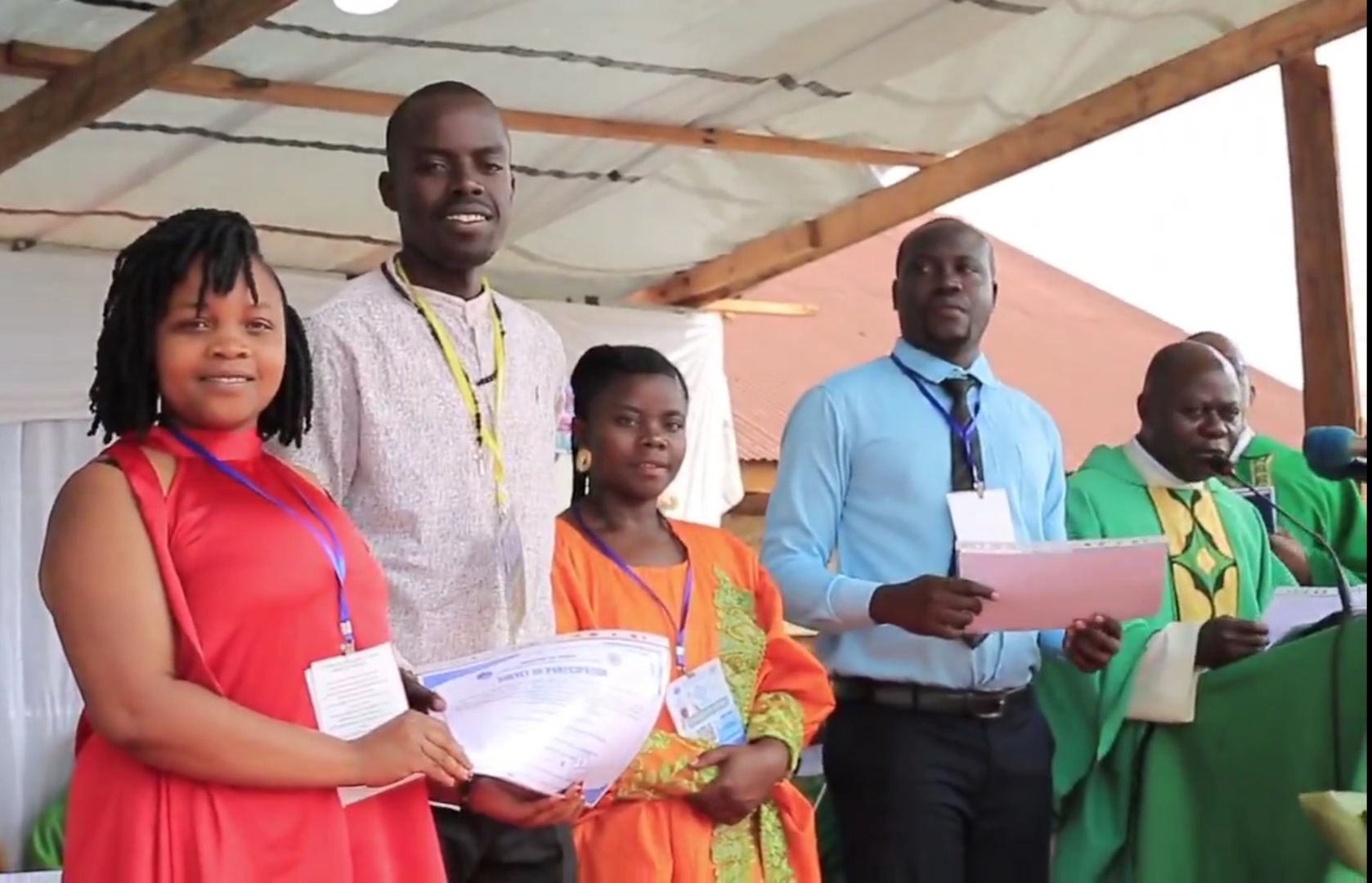
Testimonies from young athletes, professionals, businesspeople, and leaders came to cement Kagame’s concluding message. “You have to be stubborn about it. Try and try again. Fail and try again,” he urged the party’s leadership and the millions of Rwandans who followed the congress live on their TVs, phones, and radios.
This stubbornness, this refusal to accept injustice, is precisely what inoculates Rwanda against the threat of sanctions or their effects. The country has risen from the ashes of genocide, rebuilt itself from nothing, and charted its own path against the scepticism of the world. If Rwanda could survive that, it can certainly survive sanctions.
The message from Kigali is crystal clear. Rwanda has endured far worse than economic coercion. In fact, as Kagame himself once said: if the choice is between a country overrun by genocidal forces and sanctions, then he would turn his guns towards the existential threat and act as if the other threat does not exist.
Rwanda has survived the unimaginable and emerged stronger. Sanctions are not a death sentence; they are certainly a painful inconvenience, a temporary obstacle on a long journey. The country’s ethos, if upheld, ensures that no external pressure will ever bring it to its knees.
Visited 1 times, 1 visit(s) today