1
Government want alcoholics to come out amd get help
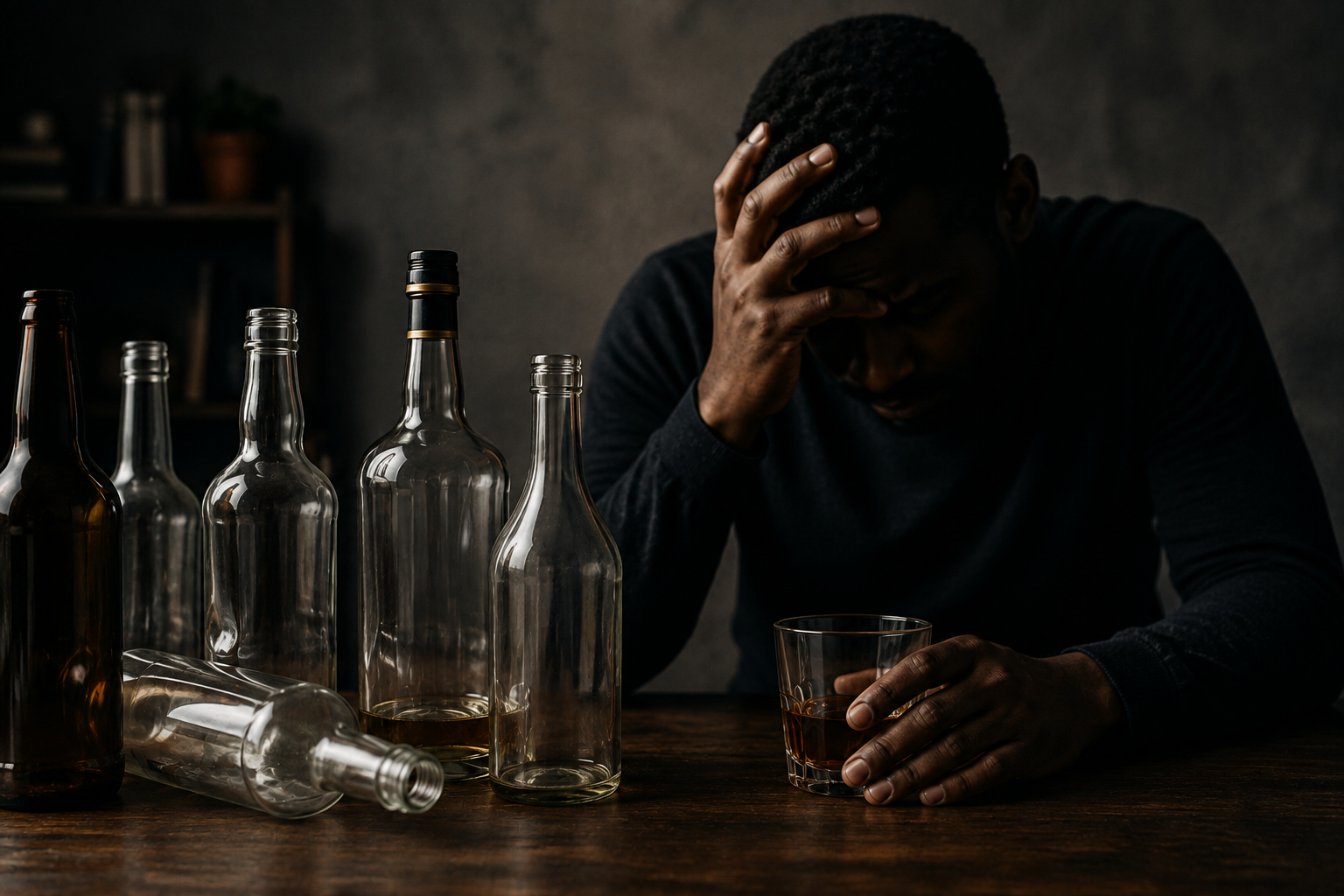
KIGALI — The Government of Rwanda is urging people struggling with alcohol dependence to seek treatment, saying recovery is possible and directing them to a free national health hotline and public health facilities.
In a message issued Thursday, the Office of the Government Spokesperson said alcohol dependence is a health problem that can be treated and encouraged people who need help to seek it without delay.
The public was directed to call the toll-free 114 health hotline or visit the nearest health facility.
The campaign, branded Sobanukirwa — meaning “Get informed” — asks whether a person can be “captured by alcohol” and still be treated and cured.
The answer is yes.
The message is part of the government’s wider #TunyweLess campaign, which seeks to reduce harmful alcohol consumption in Rwanda.
What treatment is available?
The government’s announcement does not create a new hospital where every person with alcohol dependence will receive free treatment.
Instead, it directs people into the existing public health system.
The 114 hotline is operated by the Ministry of Health and Rwanda Biomedical Centre and provides health information and referrals, including for substance-use problems.
People can also seek help at public health centres and other government health facilities.
The government’s message is therefore less about creating a new treatment programme than making people aware that alcohol dependence is treatable and that help is already available through the public health system.
Why the message now?
The appeal comes as Rwanda intensifies its response to harmful alcohol consumption and the sale of illicit and contaminated alcoholic drinks.
Government has linked dozens of deaths and more than 100 cases of blindness in 2026 to unsafe alcoholic products.
The government has responded with a combination of enforcement and public-health measures, including shutting down illegal production facilities, recalling unsafe products and prosecuting people involved in the manufacture and sale of illicit alcohol.
At the same time, officials have increasingly framed addiction as a health problem requiring treatment rather than simply a matter for law enforcement.
Rehabilitation centres have also reported growing numbers of young people seeking help for problems associated with alcohol and drug use.
The government is now urging people struggling with dependence to seek help before their drinking causes further harm.
High-profile cases put addiction in the spotlight
The appeal came on the same day that two high-profile cases involving alcohol and drug use were drawing public attention.
Social media reports on Thursday evening said Rwandan socialite Mbabazi Shadia, popularly known as Shaddyboo, had left Isange Rehabilitation Centre in Huye after about two months of treatment and returned home.
The Rwanda Investigation Bureau said in July that Shaddyboo had been referred to the centre with her consent for rehabilitation and was not being held there as a detainee.
The same evening, reports emerged that musician Iradukunda Aimable, known as Yugi Umukaraza, had been released after prosecutors dropped a sexual-assault case involving Shaddyboo, although a separate case related to alleged drug use was still reportedly pending.
The two cases have attracted considerable public attention since June, when Shaddyboo alleged that she had been sexually assaulted after drinking with Yugi. The sexual-assault charge has since reportedly been dropped.
The government’s Thursday message did not mention either Shaddyboo or Yugi, and there is no indication that the announcement was made in response to their cases.
But their cases have nevertheless added public visibility to a wider conversation about alcohol, drugs, rehabilitation and the consequences of substance abuse.
The government’s message is straightforward: people struggling with alcohol dependence do not have to face the problem alone.
They can call 114 or go to the nearest public health facility and seek help.
The campaign is urging them to do so before addiction becomes a more serious threat to their health, families and lives.
Visited 1 times, 1 visit(s) today