The top priority of the Ministry of Energy in Bucharest is “getting through this winter safely.”
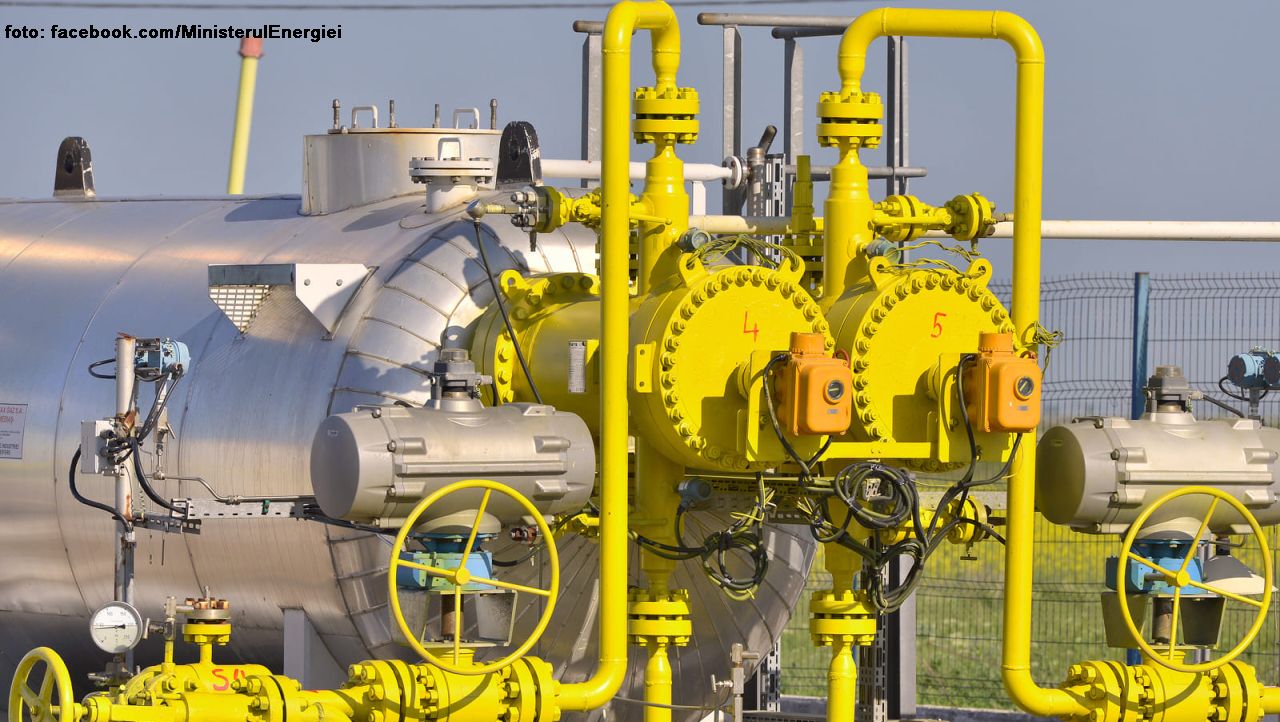
sursă foto: facebook.com/MinisterulEnergiei
Roxana Vasile,
12.11.2026, 14:00
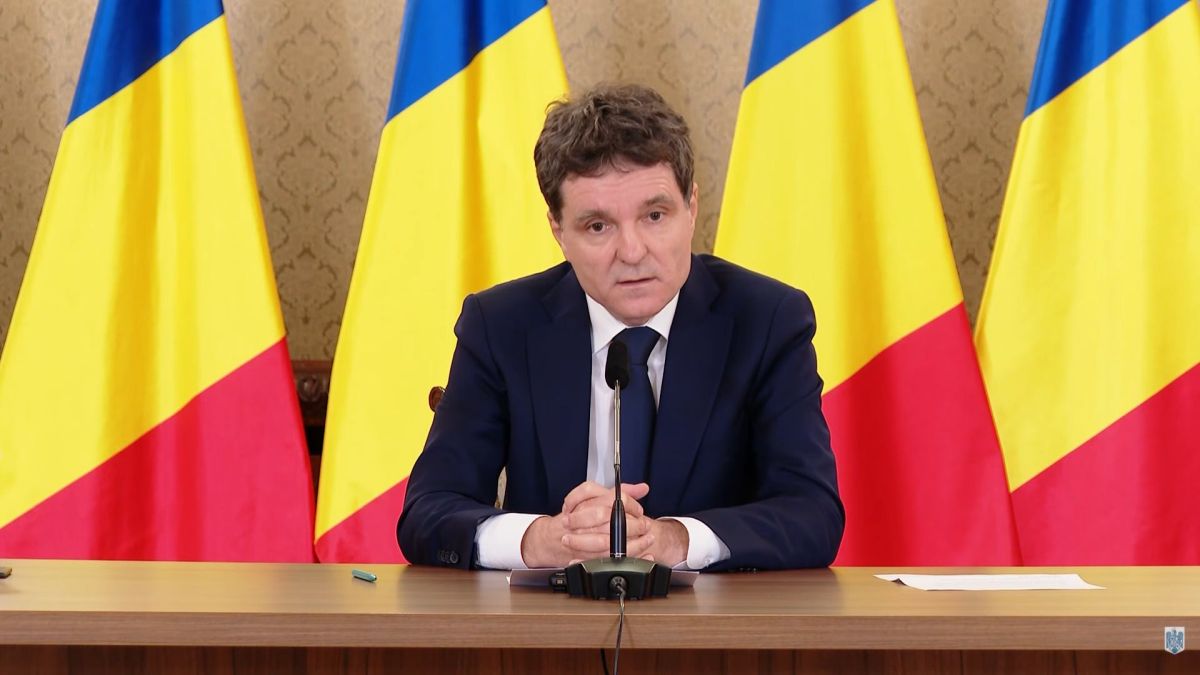
Natural gas reserves stored to date should help Romania make it through this winter smoothly, assures Energy Minister Dumitru Chisăliță:
“We rank among the top five European countries in terms of natural gas storage levels, with average storage across our various facilities exceeding the European average. However, a great deal depends on how companies in the sector pace the withdrawal of this natural gas, ensuring that quantities remain at sufficient levels, particularly in the first part of 2027, the second half of winter, when the contribution from storage facilities is very, very important”.
State Secretary Pavel-Casian Nițulescu points out that natural gas reserves are nevertheless lower than during the same period last year; coal stocks are considered adequate, while reservoirs are filled to only 43% capacity. Also regarding electricity demand, under normal operating parameters, the Cernavodă Nuclear Power Plant in the southeast of the country supplies 20% of national consumption. However, since summer, for roughly three and a half months, the plant’s two reactors were shut down in a controlled manner due to the very low water flow of the Danube caused by prolonged drought. The units were restarted over the past few days, though not without a scare, as Reactor 1 suffered a malfunction immediately after restarting and required repairs.
Still, despite a slight delay, authorities promise that by this weekend both units will be feeding power into the National Power Grid at full capacity. Because of the shutdown of the Cernavodă reactors, Romania was forced to import massive amounts of electricity, particularly in the evenings, at very high prices, which is reflected in utility bills, notes Silvia Vlăsceanu, the Executive Director of the Association of Electricity Producers:
“At some point, these purchases will certainly show up in the offers suppliers roll out to their portfolio customers. Moving from 1.3 to 2 lei is felt on a bill and translates into increases ranging from 7 up to 10, 15, or 20%”.
While gas prices remain capped until next spring, the electricity market is, by contrast, fully liberalized, which in Romania means consumers are at the mercy of supply companies, with their only safety net being to switch from one provider to another in hope of securing a better deal. Moreover, even though their purchasing power has dropped sharply over at least the past year, Romanians continue to face the highest electricity tariffs in Europe.
Consequently, the Ministry of Energy is preparing measures to support vulnerable households as well as businesses. Minister Dumitru Chisăliță wants a support scheme for vulnerable consumers to take effect on January 1, 2027, and one for non-household consumers even sooner—possibly starting as early as December 1 of this year. Work is also underway on a package of measures aimed at stabilizing the market and bringing down energy prices starting next year. (VP)