Qatar’s transport minister, Sheikh Mohammed bin Abdulla bin Mohammed Al Thani, joined a GCC meeting where ministers agreed on measures to maintain supply chains and transport links amid ongoing regional tensions.
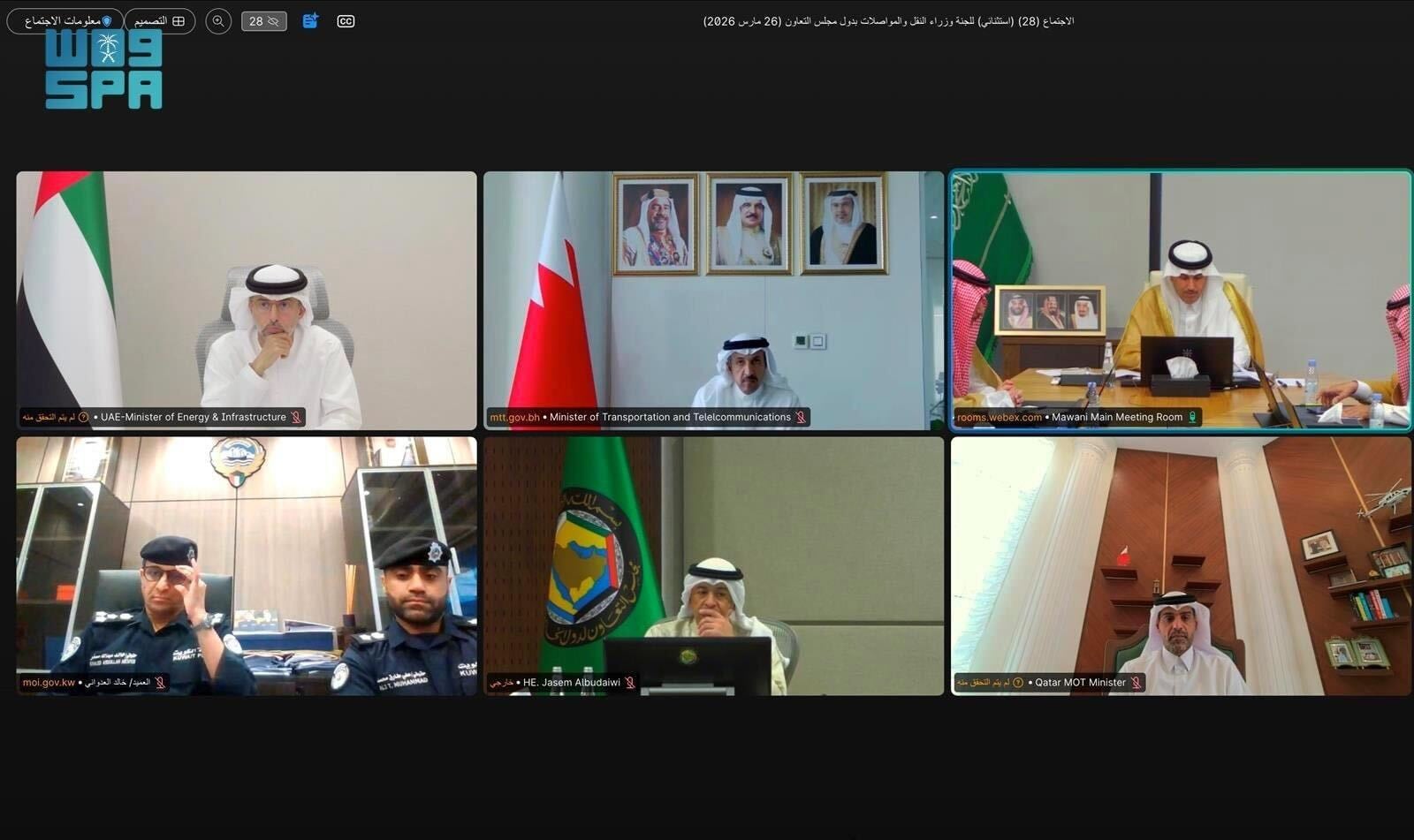
Qatar’s Minister of Transport, Sheikh Mohammed bin Abdulla bin Mohammed Al Thani, participated in the 28th extraordinary meeting of the Committee of Transport Ministers of the Gulf Cooperation Council (GCC), held via videoconference on Thursday.
The session was chaired by Abdulla bin Ahmed Al Khalifa, Bahrain’s Minister of Transportation and Telecommunications, and attended by ministers from all GCC countries.
Discussions focused on the current regional situation, its impact on supply chains, and ways to enhance the sustainability and resilience of land and maritime transport sectors across member states.
The ministers agreed on several recommendations to ensure the continuity of supply chains and trade flows amid ongoing regional conditions.
Measures include adopting exceptional and flexible procedures to facilitate land transport, ensuring the smooth movement of trucks, buses and taxis between member states, and implementing seamless procedures at ports located outside the Strait of Hormuz for goods destined for the GCC.
They also focused on activating green corridors, improving logistical connectivity between alternative ports and key transport hubs, and enhancing the readiness of land ports to maintain uninterrupted supply chains.
Jasem Mohamed Albudaiwi, Secretary-General of the GCC, emphasised the vital role of the transport and communications sector, calling it “the artery that ensures the continued flow of strategic goods, including food, medicine, and fuel, through various land, air and sea ports, and maintains market stability and the sustainability of supply chains without interruption, even in the most difficult circumstances.”
He noted that escalating challenges in the region, including what he described as Iranian military escalation targeting GCC countries, represent a serious test of the bloc’s ability to protect its achievements and ensure the continuity of vital sectors efficiently and reliably.
Albudaiwi added that more than 35 coordination meetings have been held since the crisis began, reflecting the GCC’s high level of institutional readiness and a shared understanding of the demands of this critical phase.
“The current stage requires going beyond that by elevating and accelerating the level of field coordination and activating measures immediately, in a manner that ensures a more efficient and flexible collective response,” he said, underlining that maintaining the smooth flow of land, maritime, and air transport is now “a strategic necessity” requiring proactive steps to minimise disruptions to trade and supply chains.
The ministers also agreed to allocate priority logistical routes for essential goods arriving through alternative ports, while emphasising the use of modern technologies and advanced inspection solutions to reduce the need for physical inspections.
A permanent task force will be established, comprising representatives from port authorities, land transport and customs agencies, alongside the GCC General Secretariat, to monitor the implementation of these measures and address obstacles in real time.
Concluding his remarks, Albudaiwi expressed confidence in the GCC’s ability to overcome crises, noting that “this joint approach has contributed to strengthening the GCC’s ability to contain challenges, maintain stability, and ensure the continuity of all vital sectors with efficiency and resilience.”
He added: “We are confident that today’s meeting will translate this direction into tangible outcomes that enhance the readiness of the transport sector, reinforce the sustainability of supply chains, and support our shared economic security, while elevating the level of GCC integration and strengthening our ability to effectively navigate this critical phase.”