Your support helps us to tell the story
From reproductive rights to climate change to Big Tech, The Independent is on the ground when the story is developing. Whether it’s investigating the financials of Elon Musk’s pro-Trump PAC or producing our latest documentary, ‘The A Word’, which shines a light on the American women fighting for reproductive rights, we know how important it is to parse out the facts from the messaging.
At such a critical moment in US history, we need reporters on the ground. Your donation allows us to keep sending journalists to speak to both sides of the story.
The Independent is trusted by Americans across the entire political spectrum. And unlike many other quality news outlets, we choose not to lock Americans out of our reporting and analysis with paywalls. We believe quality journalism should be available to everyone, paid for by those who can afford it.
Your support makes all the difference.Read more
The war in Iran, now three weeks old, shows no signs of subsiding. There is, in fact, every indication that it has spun even further from whatever control Donald Trump might once have exerted.
The latest escalation, involving the torching of the world’s largest natural gas fields on both the Iranian and Qatari sides of their border, is a case in point. Whether President Trump knew of or approved of the mission – he denies it – it was conducted by the Israelis with the express intent of weakening Iran’s vital oil infrastructure, irrespective of the future prosperity of the Iranian people, and pushing the country ever closer to “failed state” status.
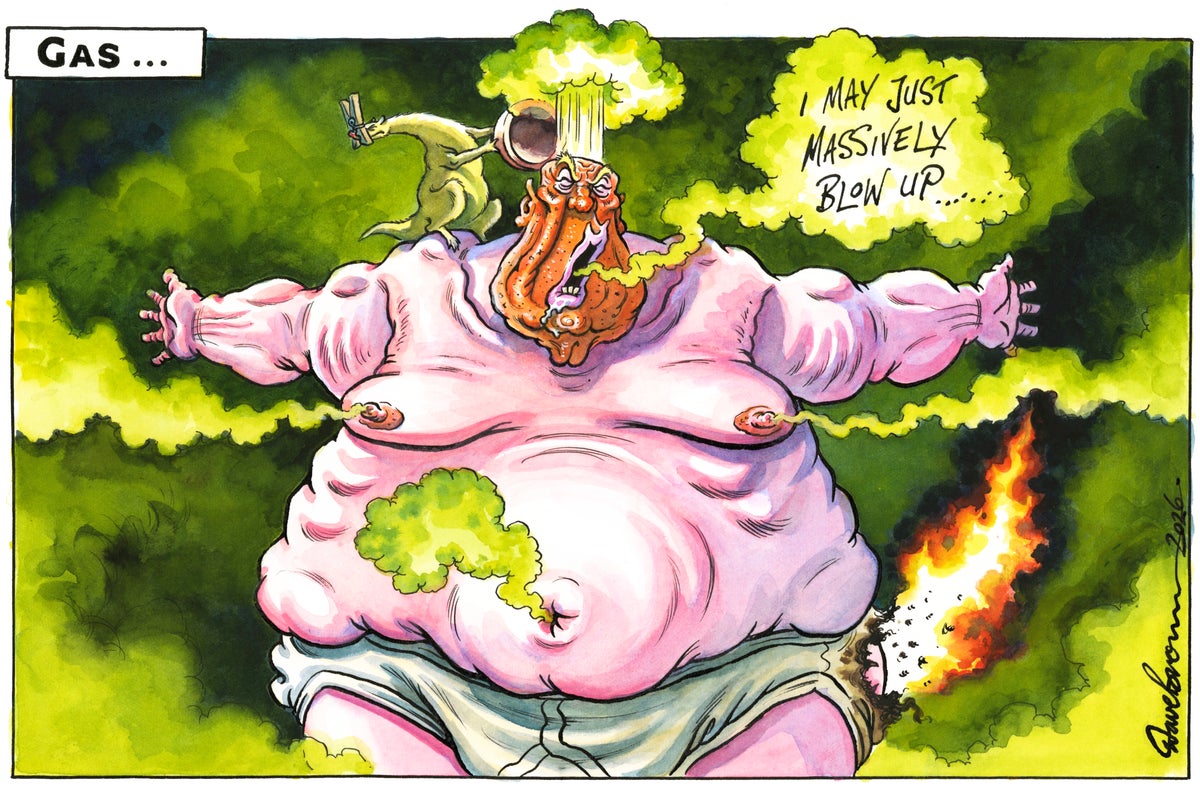
Such a vista suits Benjamin Netanyahu down to the ground. A permanently enfeebled Iran is an informal war aim. But, given Iran’s revenge attack on the Qataris, it is neither what Mr Trump expected nor welcomed. The president has, somewhat perversely, threatened to “massively blow up” the rest of the Iranians’ gas reserve if they dare to attack in this way again – which probably only adds to the attraction for the Iranians.
Wiping out such a critical source of natural reserves for the economy of the entire world would only add to both the domestic and international pressure on President Trump to end the fighting before another great depression is inflicted on everyone. The Iranians are proving just as adept at destabilising Mr Trump’s government as it is at decapitating theirs.
Somewhat worryingly, Pete Hegseth, the US defence secretary and the most absurd member of the Trump cabinet since the departure of Kristi Noem, tells the world that “our objectives, given directly from our America-first president, remain exactly what they were on day one”. Given that there were no clear American objectives then, nor, as they’ve discovered to their great cost, any proper plan, that is merely a declaration that the president is as clueless as ever about what he wants to get from this conflict.
We know what he’d like, or at least his preferences at various points – an uprising and revolution, “unconditional surrender”, a new, palatable Iranian leader approved by himself, an unspecified deal, and an end to Iran’s nuclear ambitions, the last one the only constant. But none have been achieved, and that is because there may be some kilos of enriched uranium rescued before Operation Midnight Hammer last summer and stashed in some unknown location in that sizeable country.
Meanwhile, the Strait of Hormuz remains blocked, the damage to Gulf gas fields will take years to repair, and one of the largest warships in the world, the USS Gerald R Ford, is limping to Crete for repairs (proving, yet again, how handy friends can be).
For all this, Mr Hegseth wants America’s “ungrateful” allies to say thank you to President Trump for disarming a nuclear menace. Except that he hasn’t done that, is unlikely to succeed, and has made the Middle East even more combustible in the process, strangling oil, gas and other natural resource supplies in the process.
It is President Trump who should be apologising to the countries he has disparaged and is now looking to for help (albeit not consistently).
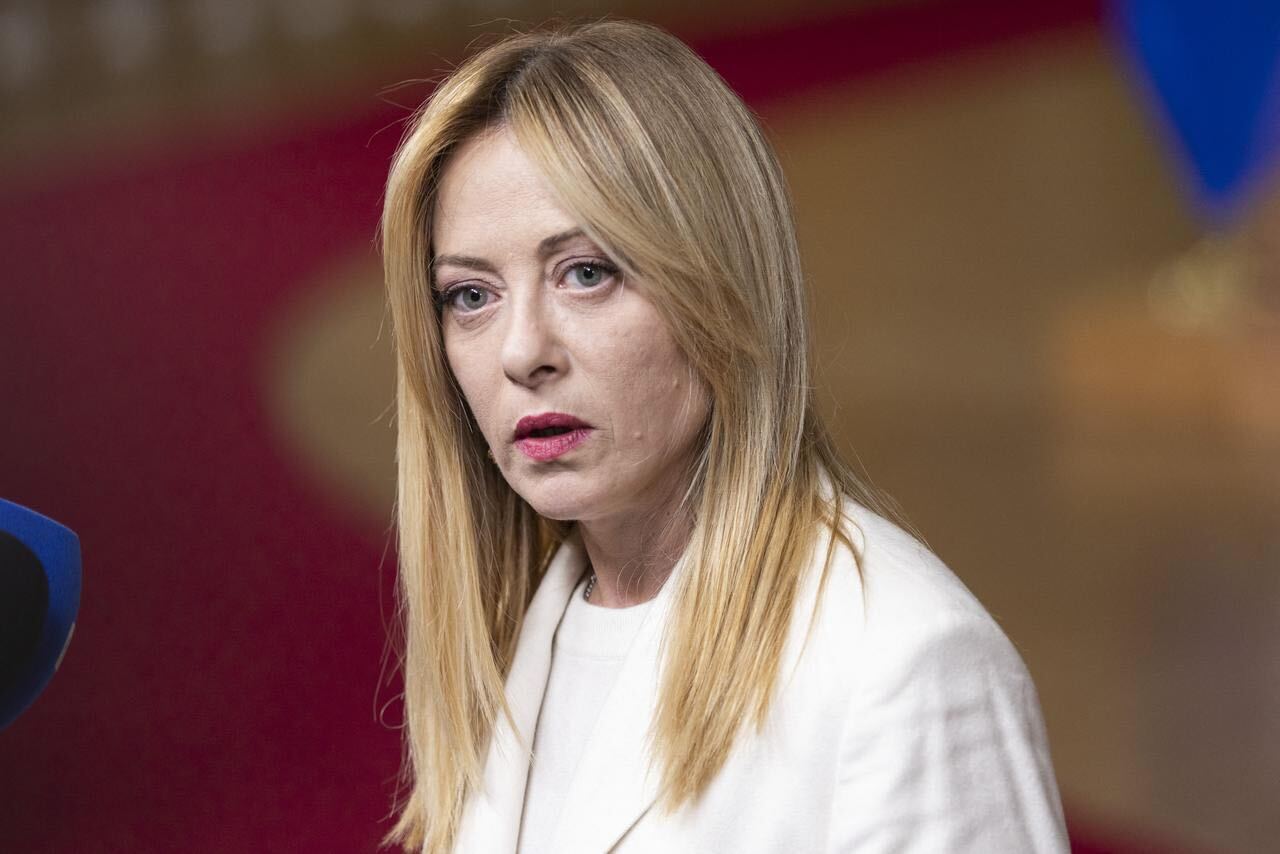
The joint statement by five allies US – and they speak for many more – is rather more measured than Mr Hegseth’s fanciful optimism. The leaders of France, Germany, Italy, the Netherlands, Japan and Britain have naturally condemned Iran’s aggression against Qatar, blameless in this fight, but have also called for “an immediate comprehensive moratorium on attacks on civilian infrastructure, including oil and gas installations” – which includes missions by US and Israeli forces.
They also pledged readiness to “contribute to appropriate efforts to ensure safe passage through the strait” – provided it is planned.
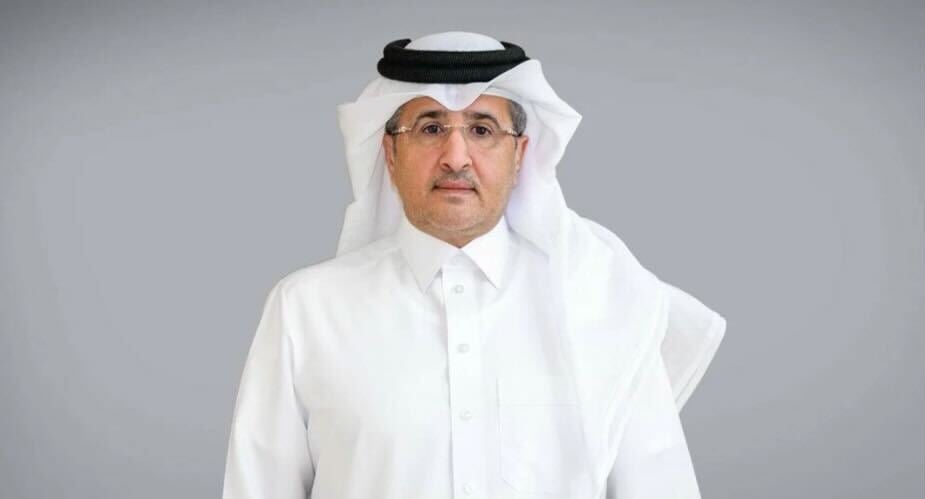
That may be as far as they wish to go now. But the prime minister of Qatar, a nation that has uniquely suffered unprovoked attacks by Israel and Iran in the past year, is the latest leader to call for de-escalation and an end to the conflict.
Were it anywhere else in the world, such a dangerous conflict might, in the distracted mind of the president, be a case for his Board of Peace, and another contender for the long list of disputes he’s solved – further cause to hand him the Nobel Peace Prize.
But he can still be the “peace president” by extricating himself as best he can from what looks to be just another unwinnable, asymmetric “forever war”. The Americans should not risk a further slide into pan-regional conflict, humiliation and a world recession. President Trump should declare victory, tell his Israeli counterpart to end the bombings, and get on with the deal. After all, it is what he was elected to do.