
It is not just a technical agreement, nor a bureaucratic detail for specialists. It is a clear sign that Portugal is being called upon to play a strategic role in one of the most advanced and competitive sectors on the planet.
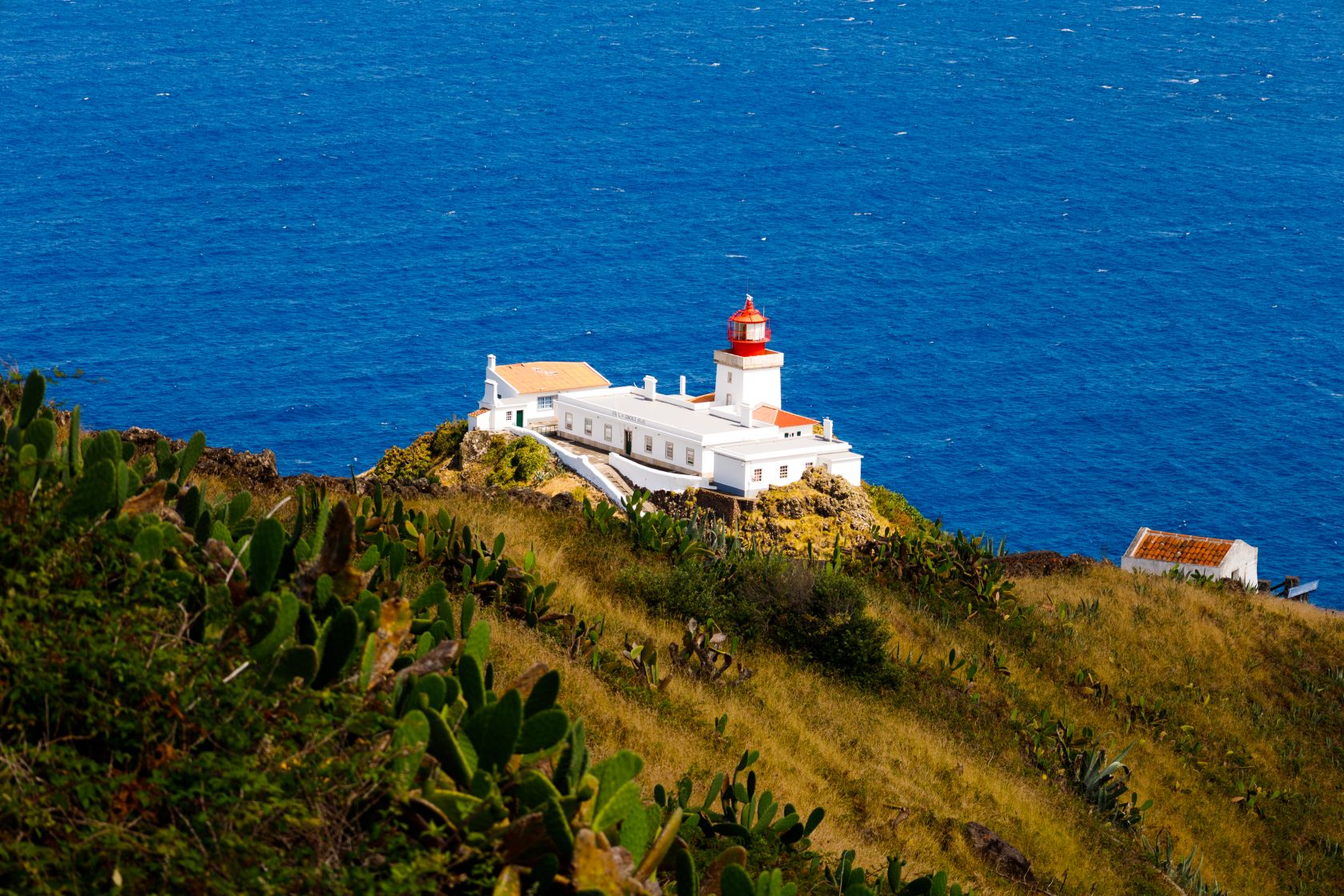
The agreement was formalized this week in Germany and officially marks Santa Maria as the landing site for Space Rider’s maiden flight, now scheduled for 2028. This choice reinforces something I have been defending for a long time: Portugal is finally entering the league of countries that do not watch the future but participate in it. And the Azores, due to its geography, stability and unique location in the Atlantic, become one of the most important assets of this vision.
Space Rider is a reusable unmanned spacecraft designed for short-duration missions in low orbit. It allows you to conduct scientific experiments in microgravity, test new technologies and even place small satellites. The most extraordinary thing, however, is that it returns to Earth, landing as an aircraft. The landing in Santa Maria will be symbolic, but also profoundly practical. It puts the island on the international map as Europe’s central infrastructure for next-generation space missions.
This step does not appear in isolation. It is part of a broader vision that includes the future spaceport of the Azores, the first licensed in Portugal, which is expected to start orbital launches in 2027. We see here a country that a few decades ago had little participation in the space economy, investing today 204.8 million euros in ESA for the period 2026-2030 and positioning itself as an active partner in a sector that is worth billions and grows every year.
It is important to emphasize that this choice was not a gift. It was conquered. It is the result of years of work by the Portuguese Space Agency, scientific diplomacy, and Portugal’s ability to assert itself as a reliable, stable country capable of hosting high-tech infrastructures. The Azores, due to their geostrategic position between continents, now become a vital point of contact for Europe in reusable space missions.
What excites me personally is to realize the impact this can have on the new generations. The presence of a spaceport, the operation of a European shuttle and the involvement of Portuguese universities in on-board experiments send a clear message: Portugal is a country where you can do frontier science, advanced engineering, and aerospace technology. It is a country where young engineers, researchers and entrepreneurs can aspire to work in the space sector without having to emigrate.
Landing a space shuttle at a small Atlantic airport is not just a technological curiosity. It is a statement. It is Portugal saying that it is ready for the future and that it wants to be part of it in an active, ambitious, and strategic way.
And, this time, with his feet firmly planted on Santa Maria and his eyes fixed on space.


