Why are you now seeing adverts on our website for the first time? Click here to learn more.
Keep our news free from paywalls by making a donation to support our work!
Notes from Poland is run by a small editorial team and is published by an independent, non-profit foundation that is funded through donations from our readers. We cannot do what we do without your support.
Poland recently managed to prevent a planned Russian “false-flag operation” at the border that, if it had not been stopped, could have “ended tragically”, says a retired general who acts as an advisor to the defence minister.
His statement follows a report earlier this week by a leading newspaper, based on statements by unnamed senior officials, that Poland had foiled an attempt by Russia to carry out a major “provocation” on the border with the Russian exclave of Kaliningrad.
Polish government figures, including Prime Minister Donald Tusk, have confirmed that a Russian operation at the border was prevented, though they have not provided further details.
Generał Mieczysław Bieniek o próbie rosyjskiej prowokacji przy granicy z Polską !!!
Polskie władze potwierdzają udaremnioną próbę rosyjskiej prowokacji przy granicy z obwodem królewieckim. – Udało się udaremnić, być może tragiczny w skutkach, incydent – przyznał w “Faktach po… pic.twitter.com/raQMfJ4uUp
— Andrzej Mitura #Mocnytakżeosobno (@AndrzejekMitura) November 19, 2026
“The public isn’t informed about everything,” retired general Mieczysław Bieniek, who acts as an advisor to defence minister Władysław Kosiniak-Kamysz, told broadcaster TVN on Thursday.
Bieniek then revealed that, “based on information we received from both our allies and our own intelligence services, we managed to thwart an incident with potentially tragic consequences, because the planned false-flag operation could have ended tragically”.
“For example, if a group of people crossed the border and later dressed in uniforms, whether Ukrainian or Polish, but were Russian citizens disguised as others, and carried out an attack on their target, the side whose uniforms were worn would naturally be blamed,” continued the general.
“Fortunately, nothing of the sort happened,” he added. “Certainly this preventative action [by Poland] forced the other side to desist from these acts.”
Bieniek’s comments followed a report published on Wednesday by the Rzeczpospolita daily, which said it had learned of a planned Russian sabotage operation on the border between Poland and the Kaliningrad exclave.
The newspaper, citing unnamed high-ranking figures from the uniformed services, said that the planned incident could have involved Russia mounting an attack on one of its own facilities but blaming it on Ukraine. Such actions are known as false-flag operations.
“It was supposed to be reminiscent of the Gleiwitz incident,” said one unnamed source, referring to a false-flag attack in 1939 staged by Nazi Germany, in which German operatives dressed in Polish uniforms. It was one of a number of such staged incidents used to justify the invasion of Poland.
🔴 Operacja polskich służb oraz wojska na przełomie października i listopada zapobiegła rosyjskiej prowokacji na granicy z obwodem królewieckim – wynika z ustaleń @marek_kozubal https://t.co/EFWsdlZUHY
— Rzeczpospolita (@rzeczpospolita) November 18, 2026
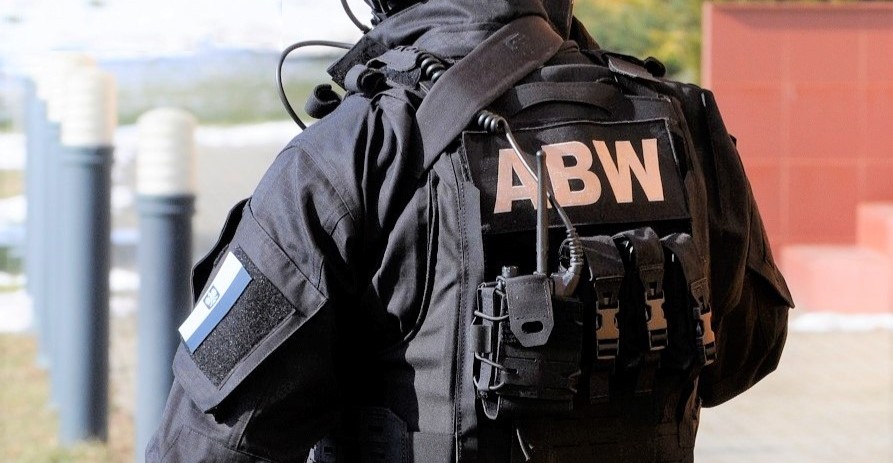
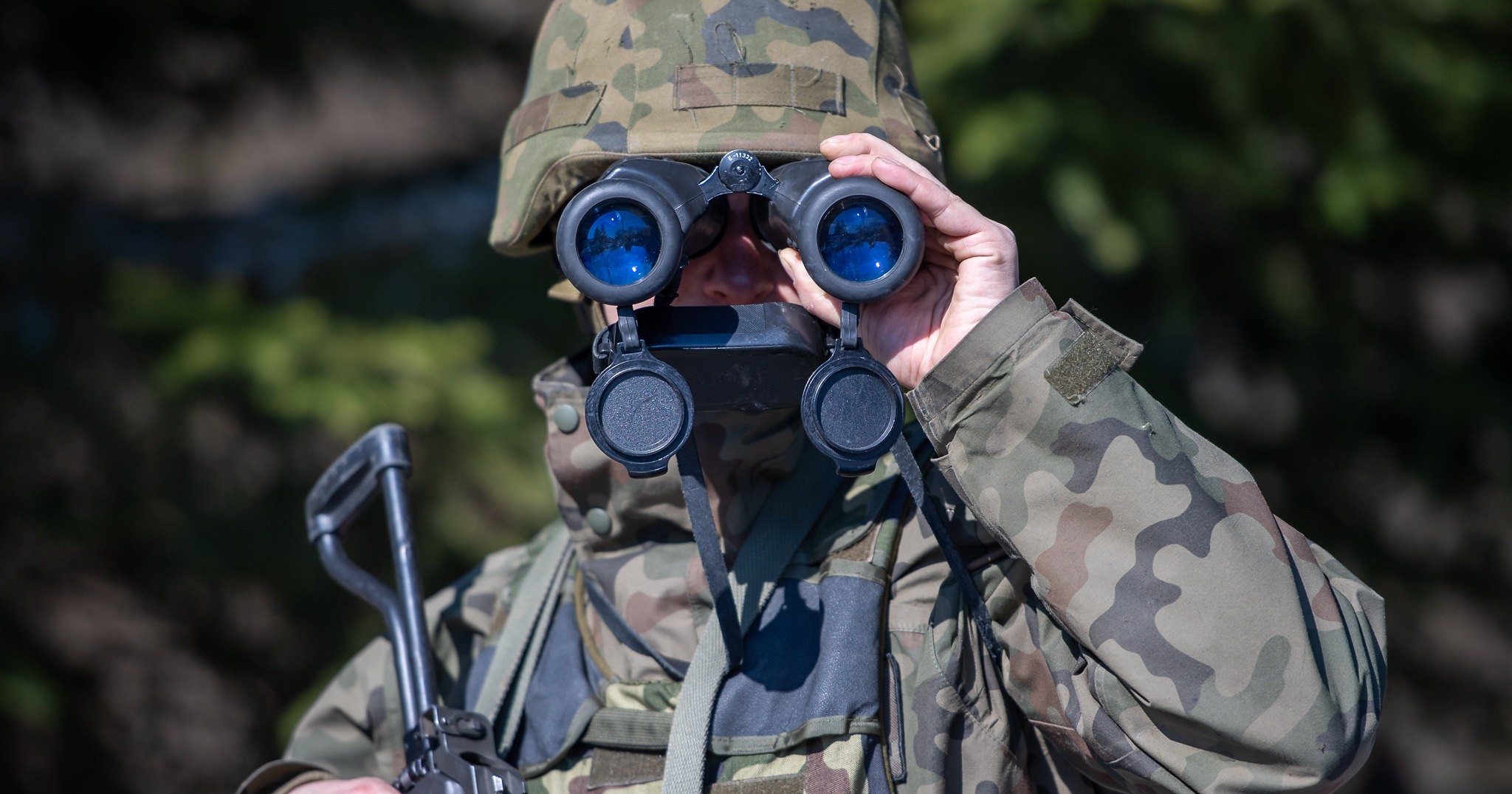
According to Rzeczpospolita, concerns over this planned Russian operation were what prompted Poland to bolster security in regions along the Kaliningrad border in late October.
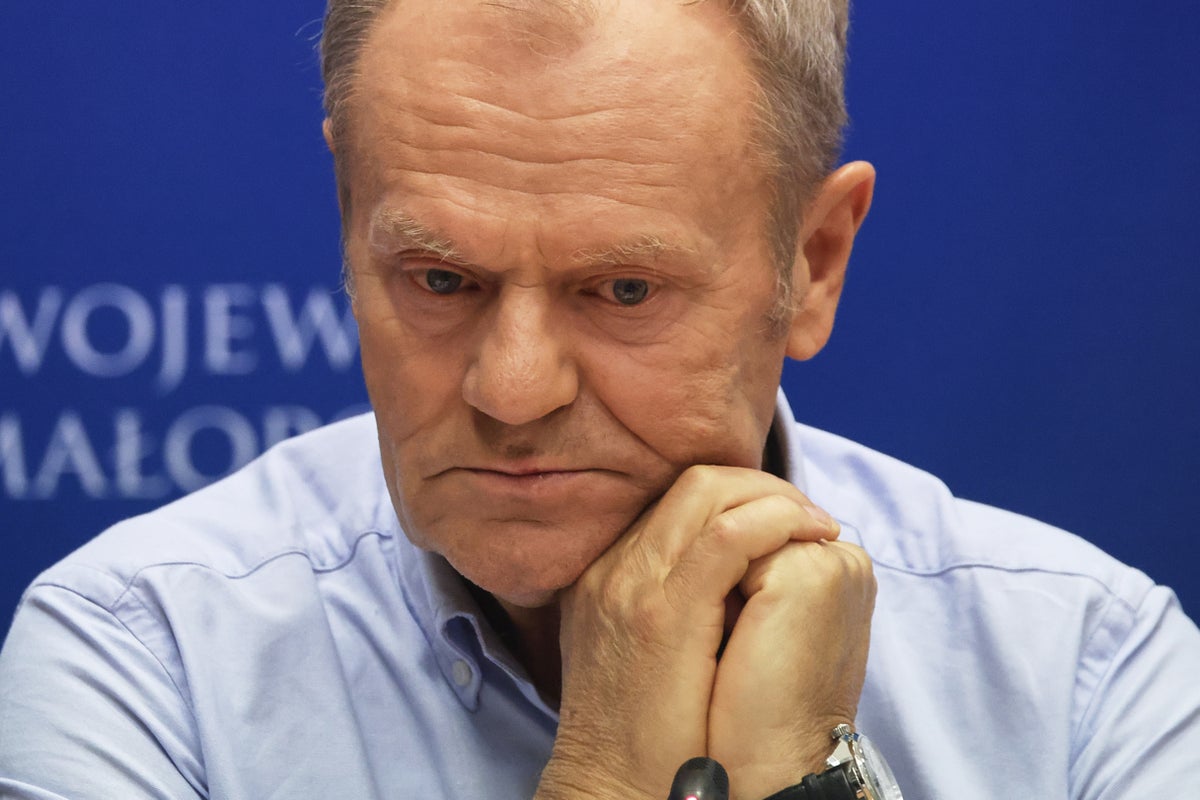
On 3 November, Prime Minister Donald Tusk declared that Poland had “managed to prevent a provocation” on the border after “individuals with flashlights” were spotted. However, he did not provide further details at the time.
When Rzeczpospolita this week asked Tomasz Siemoniak, the minister in charge of the security services, if Russia had been planning a terrorist attack, he replied: “You’d have to ask the Russians. And they usually don’t admit to planning such actions. Even if we have such information, we don’t share it.”
“If we took certain steps, it was because we recognised there was a real threat,” added Siemoniak. “Appropriate actions were taken by the border guard, the police and the military. I can’t go into details.”
Polish Prime Minister @donaldtusk claims that “individuals with flashlights” were observed at the Russian border last night.
“We very quickly mobilised the appropriate forces and resources there, and managed to prevent a provocation,” he added https://t.co/kD5OmpNagf
— Notes from Poland 🇵🇱 (@notesfrompoland) November 3, 2026
On Wednesday afternoon, Kosiniak-Kamysz himself was asked about reports of a planned border provocation. “It didn’t happen, because we responded appropriately,” said the defence minister.
“Russia is rapidly climbing the escalation ladder, moving from airspace violations, attempted train bombings, sabotage of arms factories, as well as cyberspace activity, [and] it can also provoke at the border,” he continued, referring to some of the actions Russia has already taken against Poland.
However, Kosiniak-Kamysz did not comment on or provide any specific details of what kind of incident Poland may have prevented on the Kaliningrad border.
Later on Wednesday, Tusk himself reiterated to journalists that “we received signals that some unacceptable events could occur near the Polish-Russian border” and that “it seems that the mobilisation of the border guard and police in this place blocked any plans or ideas to carry out any provocation”.
However, he added that further details are “kept confidential for obvious reasons”.
Two Russian missiles and what is likely to have been a jet-powered drone struck Poland last night during large-scale attacks on Ukraine, the defence minister has confirmed https://t.co/QM2t2hOwlg
— Notes from Poland 🇵🇱 (@notesfrompoland) November 20, 2026
Poland’s government has for months been warning that Russia is planning escalatory provocations against eastern NATO states, which could involve border and airspace violations.
In June, foreign minister Radosław Sikorski even announced that he was “expecting an attack on Russian territory under a false flag, to which Putin will ‘respond’”. Sikorski pointed to the Gleiwitz incident as an example of such an operation.
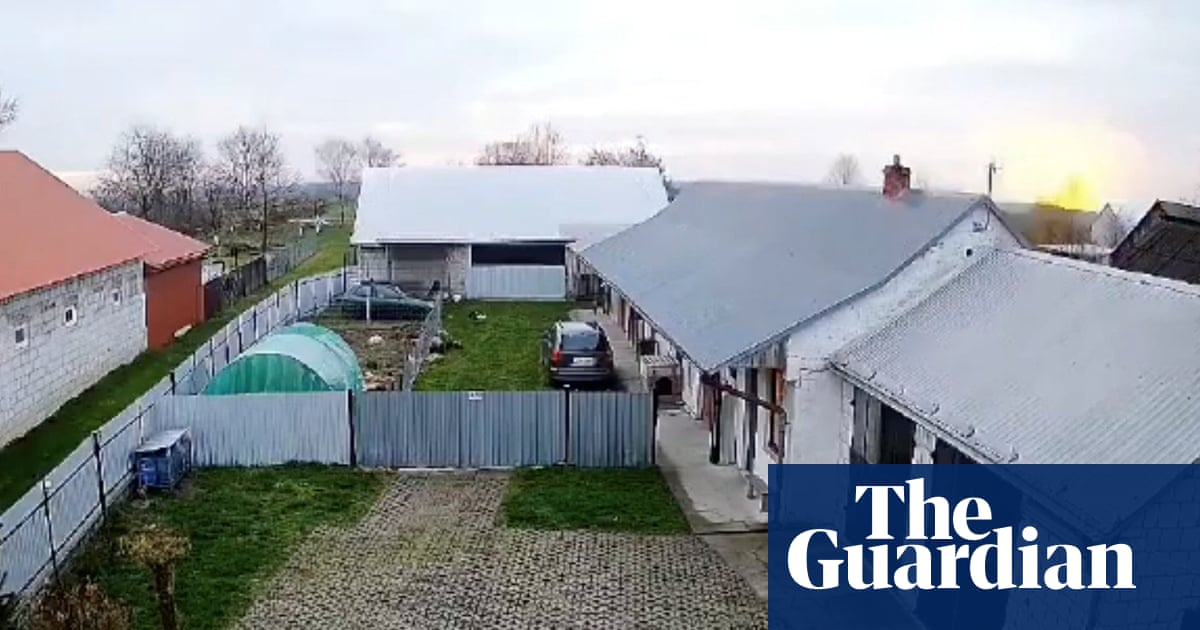
On Friday morning, two Russian missiles and what is believed to be a drone entered Polish airspace and hit the ground in three locations. Tusk condemned the incident as a further “Russian escalation” and said that it was likely to have been “an intentional provocation”.
Notes from Poland is run by a small editorial team and published by an independent, non-profit foundation that is funded through donations from our readers. We cannot do what we do without your support.
Main image credit: Combat Camera Poland/Flickr (under CC BY-NC-ND 2.0)
Daniel Tilles is editor-in-chief of Notes from Poland. He has written on Polish affairs for a wide range of publications, including Foreign Policy, POLITICO Europe, EUobserver and Dziennik Gazeta Prawna.