Keep our news free from ads and paywalls by making a donation to support our work!
Notes from Poland is run by a small editorial team and is published by an independent, non-profit foundation that is funded through donations from our readers. We cannot do what we do without your support.
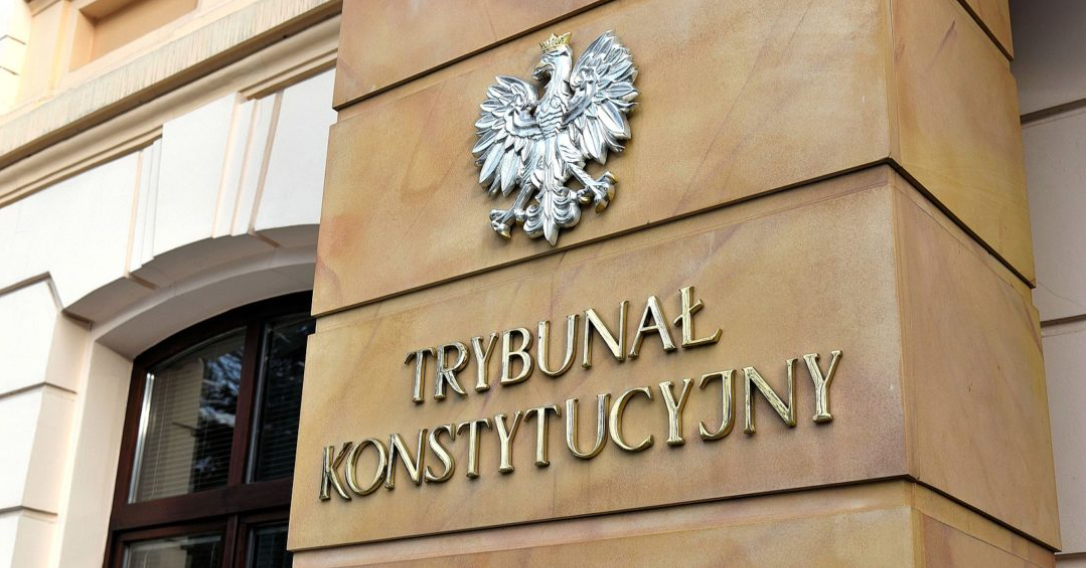
The International Commission of Jurists (ICJ) has criticised the takeover of Poland’s Constitutional Tribunal (TK) by a group of government-backed judges. It says that the move “contravenes international standards on the independence of the judiciary”.
However, the ICJ, a Swiss-based NGO led by judges, lawyers and academics from around the world, also chastised Poland’s opposition-aligned president, Karol Nawrocki, for his role in the crisis around the TK, in particular his refusal to swear in judges elected by parliament.
🚨#Poland’s constitutional crisis must be resolved through the rule of law. The ICJ urges all authorities to respect judicial independence, follow lawful procedures, and comply with European court rulings.
🔗More information: https://t.co/NWmca9mpUx
— ICJ (@ICJ_org) November 3, 2026
On Friday, eight judges who were elected to the TK this year by the government’s parliamentary majority effectively took over the tribunal. They announced that the chief justice, Bogdan Święczkowski, and his deputy, Bartłomiej Sochański, had been suspended for failing to properly fulfil their duties.
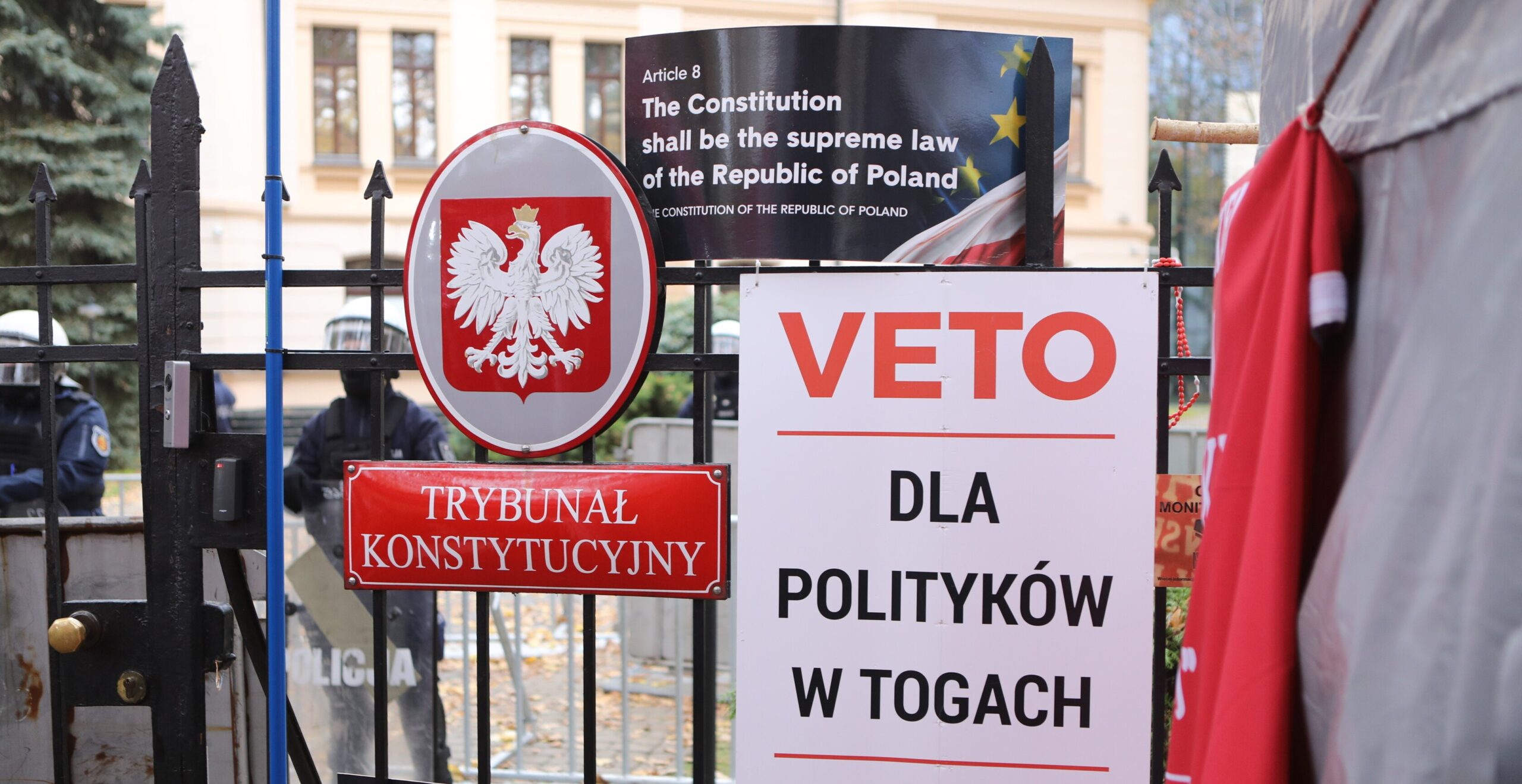
Meanwhile, large numbers of riot police were deployed outside the court, holding back protesters, including opposition politicians, and preventing Święczkowski and Sochański from entering the grounds.
Święczkowski denounced the takeover of the court as an illegal “coup d’état”. He has been backed by the tribunal’s remaining six judges, who, like him, were appointed under the rule of the former national-conservative Law and Justice (PiS) government, which brought the TK under its political influence.
Nawrocki, who is also aligned with PiS, has likewise denounced the actions of the government-backed judges. In the early hours of Saturday, he dramatically forced his way into the court, where he clashed physically and verbally with the judges who had taken over the TK.
During a visit to the Constitutional Tribunal last night, President Nawrocki clashed physically and verbally with judges involved in an attempt to take control of the court.
The president is today seeking talks with political leaders to discuss the crisis https://t.co/7HmBnuIaDG
— Notes from Poland 🇵🇱 (@notesfrompoland) October 31, 2026
In a statement on Tuesday, the ICJ expressed regret that the latest developments have “deepened the crisis over the tribunal”. It called on Polish “state institutions to seek solutions…that comply fully with the rule of law, including the principle of the independence of the judiciary”.
The ICJ’s secretary-general, Santiago Canton, noted that Nawrocki has refused to swear in five of the eight TK judges elected by parliament this year. That “violates international standards and is contrary to the interim measures indicated by the European Court of Human Rights”, said Canton.
In May, the ECHR issued an interim order for all judges elected by parliament to be allowed to serve on the court. However, that has been ignored by Nawrocki and Święczkowski, who argued that the ECHR does not have the authority to make such a decision.
The ICJ also noted that the roots of the crisis at the TK date back a decade, to the time when the PiS government took actions – including unlawfully appointing judges to the tribunal – that rendered the court illegitimate.
“At the same time,” continued Canton, “the suspension of the president and vice-president of the tribunal without a fair and appropriate procedure established by law, carried out with the involvement of the police, contravenes international standards on the independence of the judiciary.”
In its statement, the ICJ added that “criminal and disciplinary proceedings must respect all the guarantees of a fair trial and must never be used as a means to change [a court’s] composition”.
Later on Tuesday, after the ICJ had issued its statement, the eight government-backed judges held their first general assembly, at which they moved forward with disciplinary proceedings against Święczkowski and Sochański.
The justice minister, Waldemar Żurek, has also submitted six requests to the TK to lift Święczkowski’s immunity from prosecution so that he can face charges for a range of alleged crimes relating to both his time as chief justice and his previous role as a senior prosecutor under the PiS government.
Skierowałem do Trybunału Konstytucyjnego kolejny, szósty już wniosek o uchylenie immunitetu Bogdanowi Święczkowskiemu, dołączając go do pięciu wniosków przekazanych w piątek. Dzisiejsza sprawa dotyczy zakupu systemu szpiegowskiego Hermes w czasie, gdy pełnił funkcję Prokuratora…
— Waldemar Żurek (@w_zurek) November 3, 2026
The takeover of the TK has also stirred controversy among Polish legal experts. The issue has even caused an unprecedented split at the Helsinki Foundation for Human Rights (HFPC), a well-respected NGO.
On Saturday, the HFPC’s management board issued a statement, signed by its president, Maciej Nowicki, saying that it “sees no clear legal basis” for the actions taken on Friday by the government-backed judges to suspend Święczkowski and take control of the tribunal.
It warned that the situation “set a dangerous precedent” and “does not contribute to fixing the tribunal”. However, HFPC also made clear that the crisis at the court dates back a decade and reiterated its view that Nawrocki “has no right to block or invalidate the election [of judges] by parliament”.
Pełna treść stanowiska: https://t.co/OvJPpaGDel pic.twitter.com/2UpV2itgcd
— Helsińska Fundacja Praw Człowieka (@hfhrpl) October 31, 2026
That statement prompted six of the eight members of HFPC’s council – a separate body from the management board – to resign. Those to depart included a former chief justice of the TK, Andrzej Rzepliński, and a former deputy human rights commissioner, Hanna Machińska.
Machińska announced their resignation in a social media post. She said that the reason for her decision had been the management board’s statement, “with which I disagree”. Speaking later to broadcaster TVN, Machińska said that “we believe that the legal basis [for the TK takeover] was clearly defined”.
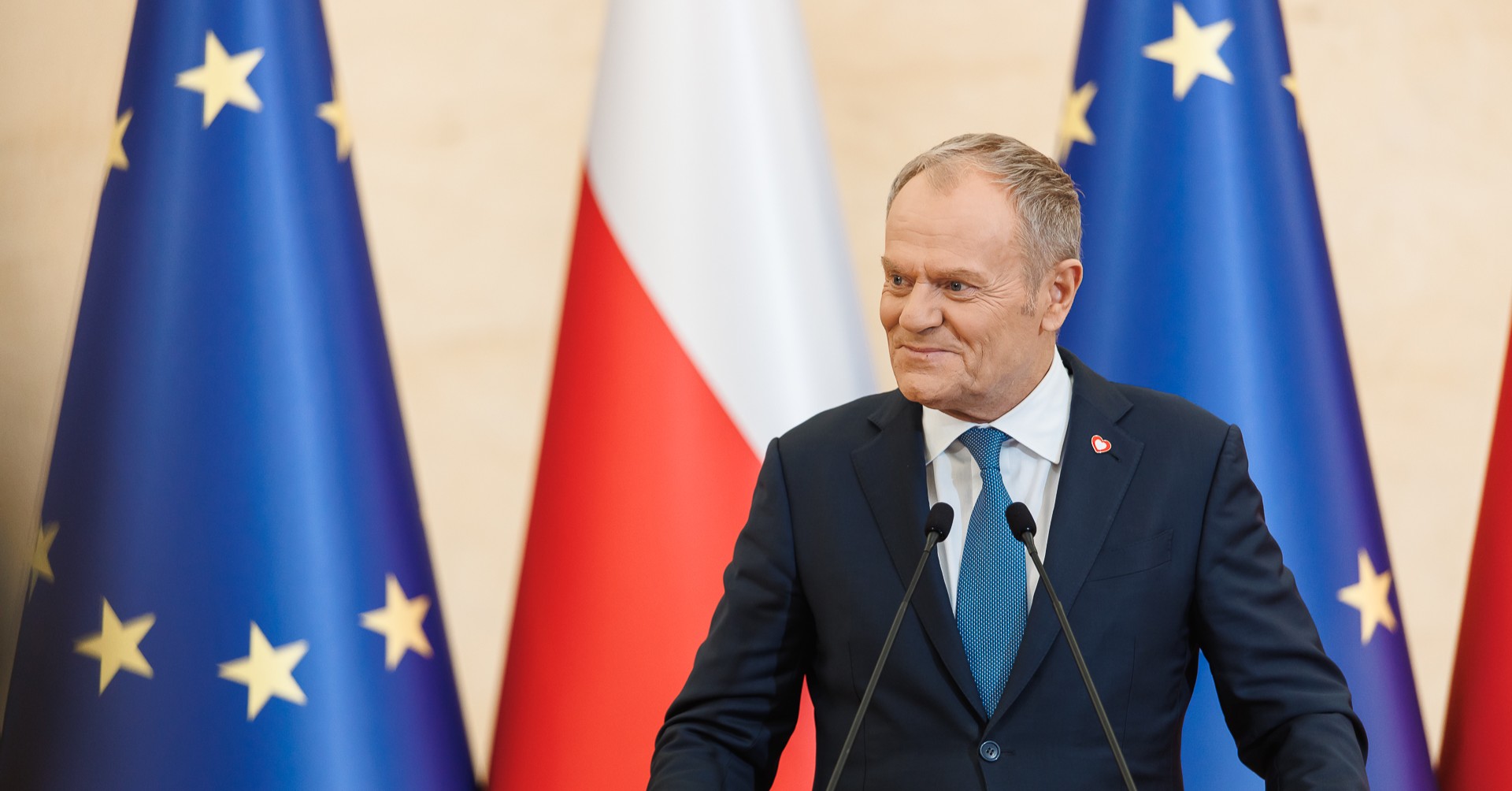
Poland’s government, including Prime Minister Donald Tusk, has also argued that the takeover of the tribunal was necessary to ensure that legally appointed judges can take up their seats and that the court’s legitimacy can be restored.
However, on Tuesday evening, Tusk shifted to a more conciliatory tone, offering to hold a one-on-one meeting with Nawrocki to discuss the crisis around the Constitutional Tribunal and “try to find solutions that will protect Poland from any political upheaval”
Notes from Poland is run by a small editorial team and published by an independent, non-profit foundation that is funded through donations from our readers. We cannot do what we do without your support.
Main image credit: Michal Borowczyk / Agencja Wyborcza.pl
Daniel Tilles is editor-in-chief of Notes from Poland. He has written on Polish affairs for a wide range of publications, including Foreign Policy, POLITICO Europe, EUobserver and Dziennik Gazeta Prawna.