Experts warn that social media bans may offer short-term safety but push young people to circumvent restrictions, making radicalization harder to detect
BALI, Indonesia – Restricting access to online platforms cannot address all the factors that contribute to the radicalization of young people, but governments have “valid” reasons for imposing bans, said I Gusti Agung Wesaka Puja, executive director of the ASEAN Institute for Peace and Reconciliation (ASEAN-IPR).
“There is no perfect solution, especially when we are encountering this new kind of threat, a new kind of non-traditional security issue,” Puja told Rappler in an interview on October 12.
Puja maintained that while governments may find it necessary to step in and implement social media bans to protect children from harmful content, these measures still require careful assessment.
“The government in this respect has the responsibility to consider the safety and well-being of young people because they are our future leaders, particularly as digital platforms continue to evolve and continue to provide a threat to them,” said Puja.
“However, whether restrictions on social media access will produce positive long-term outcomes, certainly this needs careful assessment,” he added.
Puja leads ASEAN’s think tank on peace and conflict. A recent study by ASEAN-IPR found that traditional security responses are insufficient to prevent violence as young people in Southeast Asia gain greater access to it.
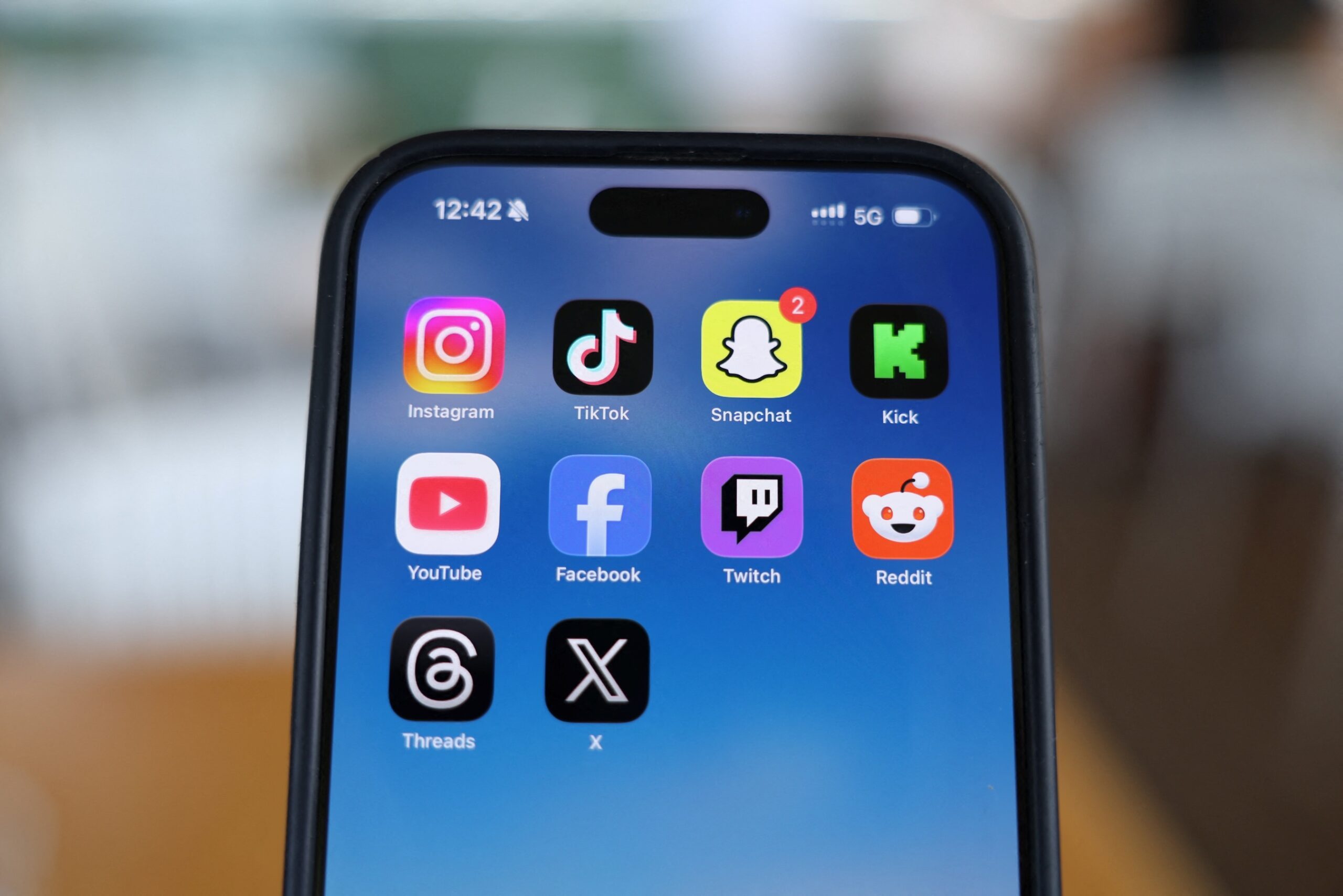
The Philippine Senate has approved Senate Bill 2424 that restricts social media access of children under 16. The House of Representatives approved a similar measure or House Bill 11566. These legislative developments follow three school shootings in the country that occurred this year. (READ: Why Congress should think twice about banning under-18s from social media)
Indonesia also started implementing the ban early this year, and countries across the world are considering social media legislation, following the likes of Australia, the United Kingdom, and Brazil.
“Maybe putting some bans on the use of social media, it could be effective,” Bora Park, security and terrorism expert from Seoul-based Institute for National Security Strategy, told Rappler in a separate interview.
“But in the long term, it might also have a side effect,” Bora said, adding that young people may find ways to circumvent the regulations and create new slang, making it “much harder to detect which one is radicalized and how dangerous that individual would be.”
Proposal to create tiered restrictions
Skeptics of such measures cite their potential effects on young people’s access to information, education and opportunities, as well as their social interactions.
Implementation of the regulation remains uncertain, as it relies heavily on the cooperation of private technology companies.
Senator Risa Hontiveros, the sole Philippine lawmaker who voted against the bill on social media ban for kids, said the priority is how to effectively protect children. Hontiveros advocates for “tiered restrictions for adolescents.”
In her statement, Hontiveros said younger adolescents should have tighter restrictions. As kids age and mature, she proposed they be given “autonomy while protections remain against abuse, exploitation, and harmful content.”
“Taking it away from them all of a sudden without providing adequate ways for them to cope with its absence is not the answer to their needs and it is not the answer to our collective fears,” Hontiveros said.
– Rappler.com