According to historical data, in 1884 the workforce of the French project exceeded 19,000 people of various nationalities, especially from the French and British Antilles and other Caribbean countries.
By: EFE
On this Day of the Dead, November 2nd, only a wreath of flowers accompanied those who rest there in the French Cemetery: hundreds of workers who died in the first attempt to build the Panama Canal, and who, between the passage of time and neglect, remain forgotten despite their historical value.
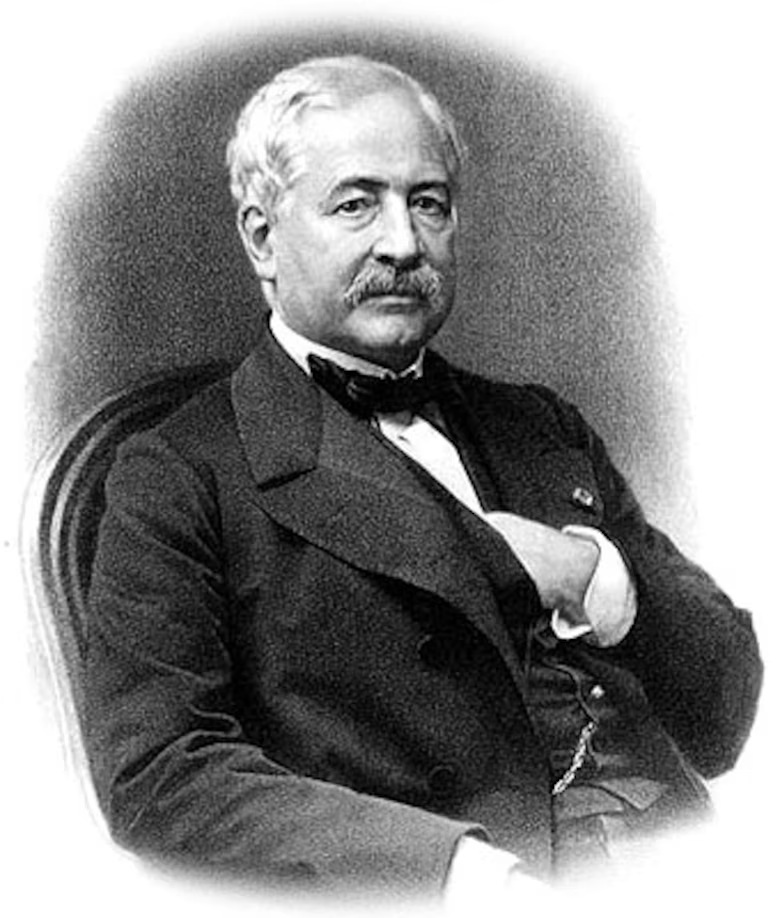
Located in the community of Paraíso, an area adjacent to the interoceanic canal situated in the metropolitan area of the Panamanian capital, the French Cemetery is one of the vestiges of the project promoted by France between 1881 and 1889. Headed by Ferdinand de Lesseps, who had directed the construction of the Suez Canal and intended to repeat the experience in the Panamanian isthmus.
Hundreds of small white crosses, identified only by a number and already stained by time, can be seen in the cemetery. There are about 900 of them, and it is believed that they correspond to workers from the Antilles and other nationalities, while a few gravestones are thought to be those of French citizens.
According to historical data, in 1884 the workforce of the French project exceeded 19,000 people of various nationalities, especially from the French and British Antilles and other Caribbean countries.
During the construction, thousands of these workers died from diseases such as yellow fever, malaria, and tuberculosis.
“It is clear that this cemetery, this place of memory, tells us how difficult the construction (of the Canal) was, the appalling human losses suffered by the French, thousands of engineers, workers, and laborers of different nationalities,” said Carlos Fitzgerald, Director of International Cooperation at the Panamanian Ministry of Foreign Affairs and an expert archaeologist in heritage.
“All those people eventually gave their lives for a project they did not see completed, and which today strongly marks our historical development as a nation,” added Fitzgerald, who considered it important to remember those workers during the month of the homeland.
A Heritage Awaiting Recognition
While the interoceanic waterway is a source of national pride, the place that preserves part of the memory of those who died trying to build it continues to await greater institutional attention.
Sources from the Ministry of Culture told EFE on Monday that efforts were made to incorporate the cemetery into the national historical heritage, but they were unsuccessful.
Fitzgerald explained that the French government has “expressed on several occasions its willingness to support Panamanian efforts” to declare the cemetery a heritage site, although he noted that it is also up to the Ministry of Culture of Panama to give “its approval” to move forward with incorporating the cemetery into the national heritage.
In September 2025, as highlighted at the time in a statement by the Ministry of Government, cleaning work was carried out in the cemetery through the Freedom Plan, with the participation of inmates from the El Renacer Penitentiary Center (formerly Gamboa Penitentiary).
Last April, the Ancón Community Board announced the start of the second phase of the recovery project, focused on the remodeling of main areas and the beautification of the cemetery’s surroundings.
“The French Cemetery is not only part of Panama’s heritage,” but also represents “a reminder of the efforts, sacrifices, and costs involved in building the Panama Canal almost 150 years ago,” Fitzgerald pointed out.
Audio transcript
Your browser does not support the audio element.
00:00
/
03:58