Your support helps us to tell the story
From reproductive rights to climate change to Big Tech, The Independent is on the ground when the story is developing. Whether it’s investigating the financials of Elon Musk’s pro-Trump PAC or producing our latest documentary, ‘The A Word’, which shines a light on the American women fighting for reproductive rights, we know how important it is to parse out the facts from the messaging.
At such a critical moment in US history, we need reporters on the ground. Your donation allows us to keep sending journalists to speak to both sides of the story.
The Independent is trusted by Americans across the entire political spectrum. And unlike many other quality news outlets, we choose not to lock Americans out of our reporting and analysis with paywalls. We believe quality journalism should be available to everyone, paid for by those who can afford it.
Your support makes all the difference.Read more
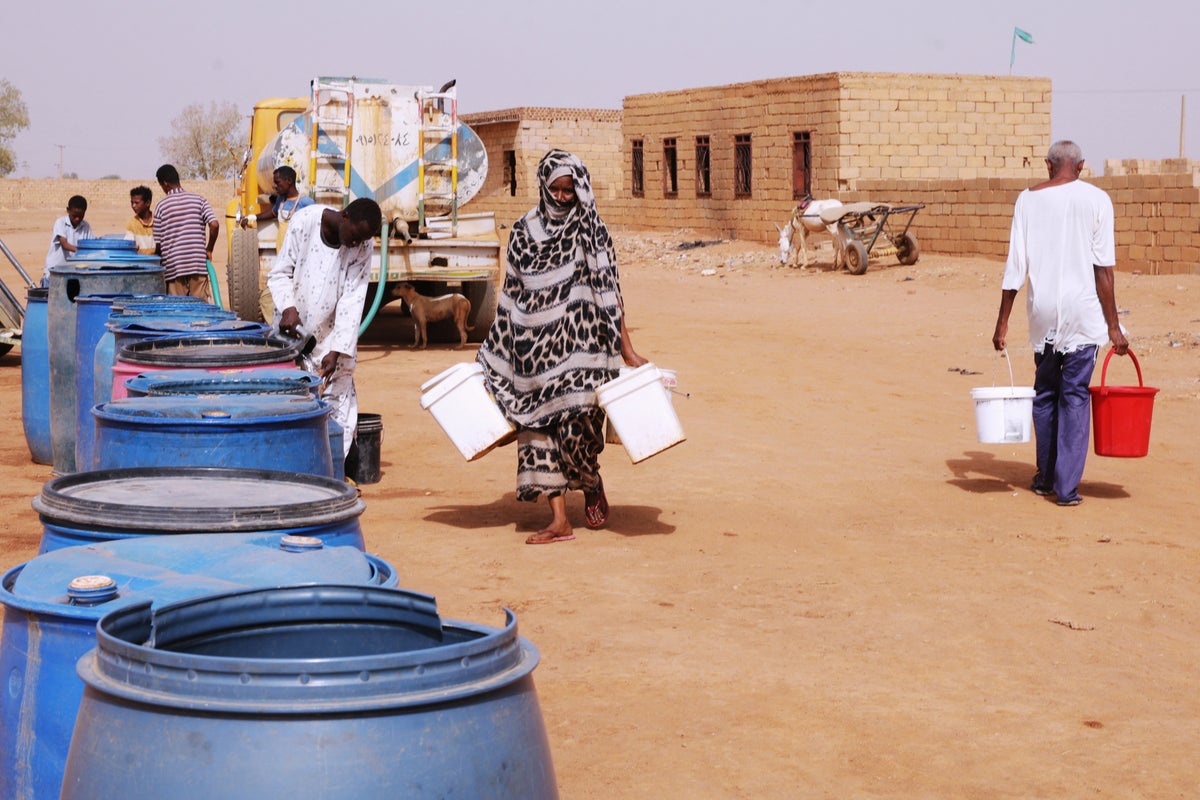
The United Nations’ food agencies warned Wednesday that acute hunger is set to worsen across 13 global hot spots in the coming months, with conflict, funding shortages and climate shocks pushing millions closer to famine.
The Food and Agriculture Organization (FAO) and the World Food Program (WFP) said in a new joint report conditions are expected to deteriorate between June and November 2026, with around 266 million people already facing high levels of acute food insecurity, and called for urgent action.
“Sudan, South Sudan, Yemen and Palestine” remain the countries of greatest concern, the report said, while Nigeria and Somalia have been newly added to that category as conditions worsen and famine risks rise.
The agencies said conflict and violence are the main drivers of hunger in nearly all the hotspots, compounded by economic shocks, deep cuts to humanitarian funding and the expected impact of an El Niño weather pattern, which could bring droughts and floods to vulnerable regions.
Funding for food assistance and related programs has dropped sharply — by about 59% since 2022 — even as needs have surged, the report said.
“The warnings in this report cannot be ignored,” said WFP Acting Executive Director Carl Skau. “Without action now, millions more are expected to face worsening levels of hunger in the months ahead, pushing some closer to famine.”
Conditions in the Gaza Strip have improved since an October 2025 ceasefire but remain fragile, the report said. About 1.6 million people — roughly 77% of the population analyzed — were acutely food insecure earlier this year and in need of urgent assistance, including more than half a million in emergency levels and a smaller number facing catastrophic conditions.
Officials also warned that additional pressures, including spillover effects from the Middle East conflict and an Ebola outbreak in eastern Congo, are worsening the outlook by disrupting markets, livelihoods and aid access.
The FAO and the WFP called for swift, coordinated international action to scale up aid, protect livelihoods and prevent further deterioration, warning that without swift intervention, millions more could face catastrophic hunger in the months ahead.