Muscat – and Oman as a whole – continues to feel safe and far away from the war
Muscat – On March 2, three days into Operation Epic Fury, the Marshall Islands flagged oil tanker MKD VYOM was hit by an unmanned surface vessel approximately 52 nautical miles off the coast of Muscat governorate. The attack triggered an explosion and fire in the engine room in which a crew member of Indian nationality was killed.
On the same day, Oman participated in the 50th Extraordinary Ministerial Meeting of the Gulf Cooperation Council held virtually. Representing Oman, Foreign Minister H E Sayyid Badr bin Hamad Al Busaidi emphasised the importance of addressing the root causes of the ongoing war and ending it through diplomatic efforts.
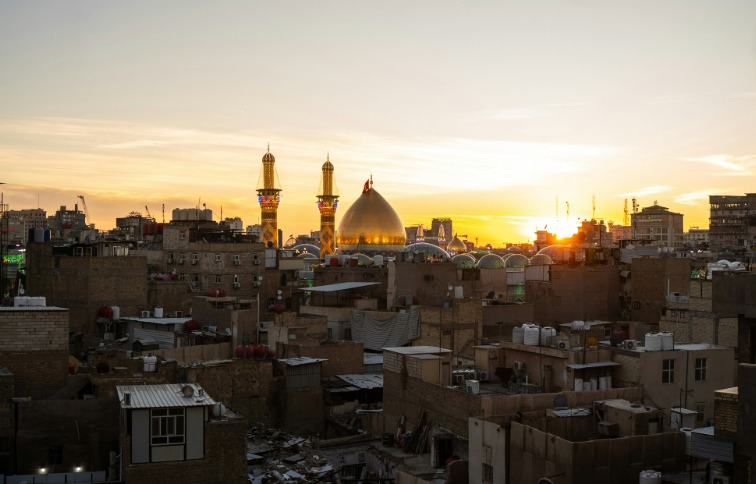
At the call of Maghrib prayers as the sun set that evening, traders and shop owners of Muttrah Souq gathered for iftar. Over 1,000 people, including international tourists, partook of the iftar. Iftars like these continue to be held across the country.
Shop owners and traders host iftar at Muttrah Souq on March 2, 2026
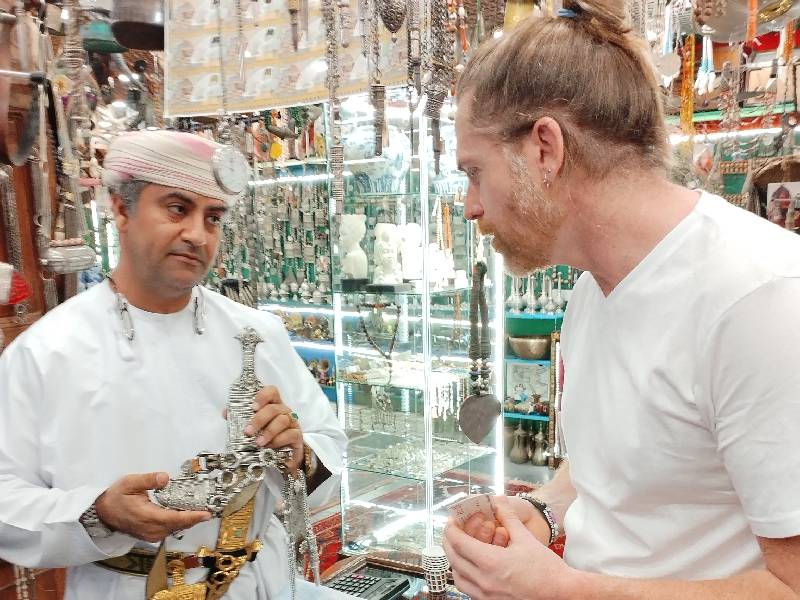
Finding a spot to park near the souq is a challenge, even more so during Ramadan. At Jamal Muhammad Ali Al Balushi’s silver jewellery and handicrafts shop in the souq, business appears to be as usual. “In Oman, everything is safe. We are very busy with not just international but local visitors, too.”
As he unsheathed a khanjar to show the intricate design in the traditional dagger to Daniel Coller, Al Balushi attributed the peace and tranquility in Oman, despite the turmoil unravelling in its neighbourhood, to the sultanate’s “good ties with all parties”. Coller’s return flight from Kuala Lumpur to London made an emergency landing in Muscat instead of making a connection in Doha on Day 1 of Operation Epic Fury.
Travelling with his wife and daughter, Coller appeared curiously calm for someone who didn’t know for three days when he’d return home or when he’d get his luggage. The airline finally informed him about his Muscat-London flight on March 4 a day earlier. Meanwhile, he made the most of the situation with his family in Muscat. “It’s very different here from what we’re seeing in the news of Dubai, Beirut… It doesn’t feel like a war here.”
Muscat was never on his radar, but after five days of being stranded in the city, Coller said he’d consider returning for a proper holiday. “It’s lovely. Everyone’s been super friendly.”
Not far from Muttrah at a money remittance shop in CBD, Ruwi, there is no sense of urgency; no anxious expatriates queuing to send money back home in anticipation of the situation deteriorating. The anxiety is mostly heard in the calls expatriates receive from family back home after the latter learn about the drone strikes and interceptions over other cities in the GCC.
There is, however, great urgency in Oman’s concerted efforts to see the end of this war. The sultanate’s leadership led by His Majesty Sultan Haitham bin Tarik has been impressing on global leaders the need to respect the sovereignty of states, exercising restraint, returning to diplomacy and an immediate ceasefire.
Muttrah Corniche