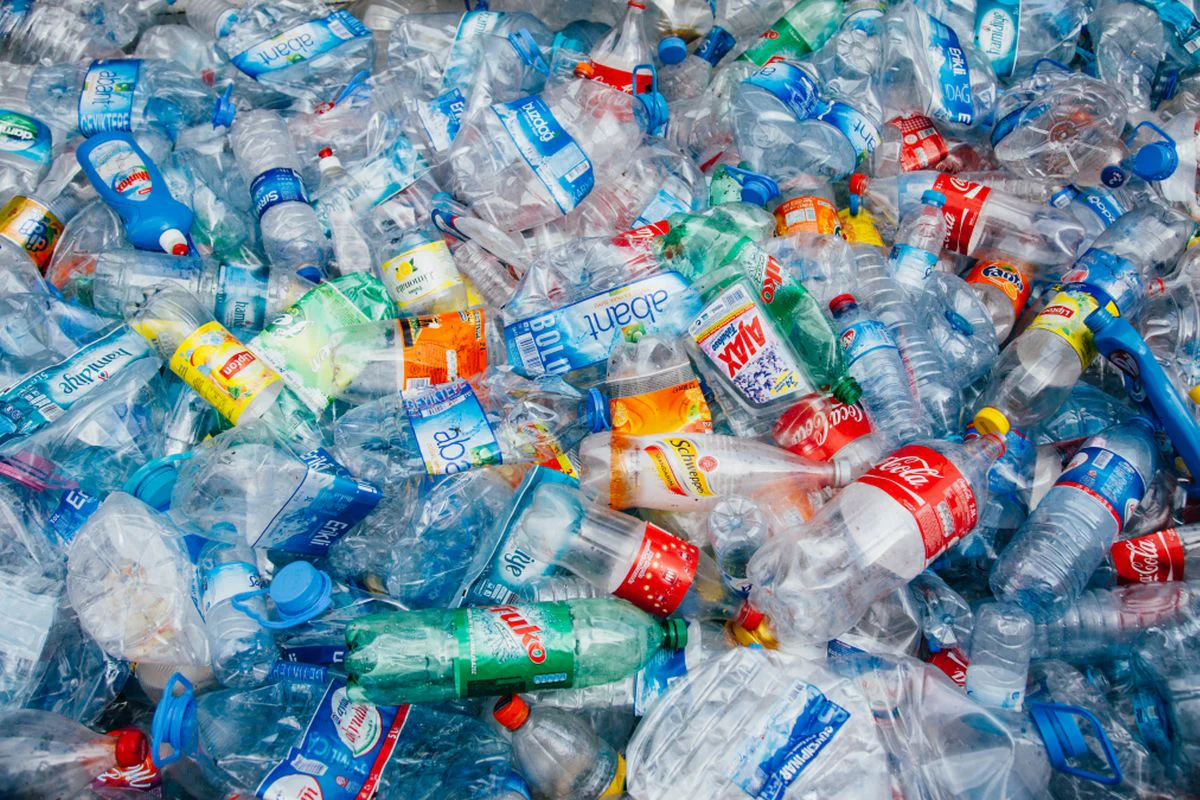
The Federal Government has reaffirmed its commitment to tackling plastic pollution by strengthening implementation of the Extended Producer Responsibility (EPR) policy, which requires manufacturers to take responsibility for plastic waste generated by their products, while promoting youth participation in recycling and the circular economy through innovation.
The commitment was reiterated by the representative of the Minister of Environment and Senior Scientific Officer at the Federal Ministry of Environment, Umaru Murtala, at the Plastic Waste Solutions 2.0 Competition organised by Digital Peers International (DPI) under the Community Development and Knowledge Management for Plastic Waste Management Project, supported by the Global Environment Facility Small Grants Programme (GEF-SGP) implemented by the United Nations Development Programme (UNDP), where the Triple R Recycling Team emerged overall winner.
Murtala explained that the Extended Producer Responsibility (EPR) policy places responsibility for managing plastic waste on manufacturers of the products that generate it.
ALSO READ: Benue: Police arrest 23-year-old over killing of varsity professor, brother
“EPR stands for Extended Producer Responsibility. It is a policy deliberately designed for producers of plastic to take responsibility for the end-of-life waste generated from their products.
“The government has put in place a policy geared towards bringing them to the roundtable. This waste is generated from your products, what happens to it? They are held accountable, and it is compulsory.”
He said the policy is being implemented in collaboration with the National Environmental Standards and Regulations Enforcement Agency (NESREA) and the Food and Beverage Recycling Alliance (FBRA) to ensure manufacturers actively participate in waste recovery initiatives.
Murtala also disclosed that the Federal Ministry of Environment had developed several policy frameworks, including the National Plastic Action Policy, the National Policy on Plastic Waste Management and the Nigerian Circular Economy Roadmap, to strengthen sustainable waste management and create opportunities for young people.
“We have developed the National Plastic Action Policy, the National Policy on Plastic Waste Management, and the Nigerian Circular Economy Roadmap. These are policies that the youths trained under this programme can key into.”
He stressed that efficient waste collection remains the bedrock of successful recycling and upcycling efforts.
“The problem of waste begins from the collection. Once it is properly collected, it becomes easier for upcycling and other recycling activities.”
Describing the competition as a platform for grooming environmentally conscious youths, Murtala said it would encourage participants to deploy digital and technological skills to address plastic pollution.
“This activity contributes immensely to bringing up youths that will be circular economy-minded and will deploy their ICT skills in plastic waste management. That is just the best way to go.”
Also speaking, Chief Civil Engineer at the Abuja Environmental Protection Board (AEPB), Engr. Francis Nnaemeka Agbarakwe said indiscriminate disposal of plastic waste contributes to blocked drainage channels, creating conditions that increase the spread of malaria and other environmentally related diseases.
He urged Nigerians to abandon the belief that waste management is solely the responsibility of government and embrace responsible environmental practices.
“We need to change our perception about waste management because everyone has a role to play in keeping the environment clean.”
Agbarakwe encouraged participants whose innovations did not emerge as winners to continue refining their ideas, saying recycling and waste management provide opportunities for entrepreneurship, job creation and environmental protection.
He also advocated greater adoption of recyclable materials and a life-cycle approach to waste management to discourage the use of single-use plastics.
Chief Executive Officer of Digital Peers International, Dr Ibukun Odusote, said the project had exceeded its initial target by reaching more than 4.5 million Nigerians through physical activities and digital engagement.
According to her, the initiative trained 400 youths organised into 100 teams to develop innovative plastic waste management solutions while exposing them to entrepreneurship opportunities within the recycling value chain.
“When we started, we were targeting being able to reach over two million people. I can say categorically that we have reached more than 4.5 million people by the various things that we have done, especially the online community that we have created in this programme.”
Odusote said participants undertook community clean-up exercises, engaged waste pickers and scavengers, and visited waste dumps to explore opportunities for converting waste into useful products.
She added that the organisation developed the Green Energy App to educate Nigerians on responsible plastic waste management and environmental sustainability, while providing continuous learning and collaboration opportunities for young innovators.
“The competition was designed not merely to identify winners but to discover solutions capable of transforming Nigeria’s plastic waste management landscape.”
Director of Waste Management at the Nasarawa State Waste Management and Sanitation Authority (NASWAMSA), Ishak Abubakar Ibrahim, said the agency had adopted household waste segregation to promote a circular economy and improve recycling.
While commending DPI for its partnership with the state, he called for investment in converting organic waste into fertiliser to support agricultural production.
National Coordinator of the Small Grants Programme (SGP)-UNDP Nigeria, Dr (Mrs) Ronke Olubamise, described the project as evidence that young Nigerians possess the creativity and determination to develop practical solutions to environmental challenges.
She urged stakeholders to sustain the gains recorded through continued partnerships, innovation and community engagement.
The competition ended with Triple R Recycling Limited emerging as the overall winner.
Chief Executive Officer of the company, Abdullahi Suleiman Eji, said his team’s innovation converts plastic waste into durable interlocking paving stones, providing a solution to both plastic pollution and poor road infrastructure.
“We have been able to convert plastic waste into interlocks. We noticed that a lot of our roads are bad, and at the same time, we have plastic all over. We felt, why can’t we take advantage of these plastics that we have in abundance to create affordable road projects for our country? Our interlock is even stronger and will last longer than the cement type that we all know.”
Eji appealed to the government, development partners, and other stakeholders to support the innovation to enable nationwide expansion.
“If government supports this project, we are going to solve a major infrastructural gap in Nigeria, especially in road construction, because our interlocks are durable and can last more than 20 years.“
WATCH TOP VIDEOS FROM NIGERIAN TRIBUNE TV