By: Owojori Dorcas Elufunke
IN the ancient city of Ile-Ife, regarded by the Yoruba as the cradle of their civilisation, history, spirituality and communal memory converge annually in the celebration of the Edi Festival, a ritual observance dedicated to the legendary heroine, Moremi Ajasoro.
Far more than a cultural spectacle, the festival is a profound spiritual exercise through which the people of Ile-Ife reaffirm their connection with their ancestors, seek divine blessings and commemorate the courage of a woman whose sacrifice is credited with saving the community from a devastating enemy.
Traditional custodians in Ile-Ife believe that Moremi’s spirit remains active in the invisible realm. Consequently, the Edi Festival serves as a bridge linking three dimensions of existence — the world of the living, the world of the departed ancestors and the world of the unborn. Through prayers, rituals and symbolic performances, the community seeks to maintain harmony among these realms.
The festival’s significance lies largely in its ritual content rather than entertainment. It is a period during which the people express gratitude for protection received during the previous year and petition for continued blessings, including good health, prosperity, abundant harvests, fertility and longevity. Throughout the celebrations, traditional chiefs and custodians of sacred shrines interpret spiritual messages believed to emanate from Moremi and the ancestral world.
ALSO READ: FCT Minister vows crack down on illegal street car racing in Abuja
The observance begins with Ferekete, a vigil that marks the formal commencement of the festival. During this stage, Chief Obalayan proceeds to the palace of the Ooni of Ife, setting in motion a sequence of sacred events that have been preserved across generations.
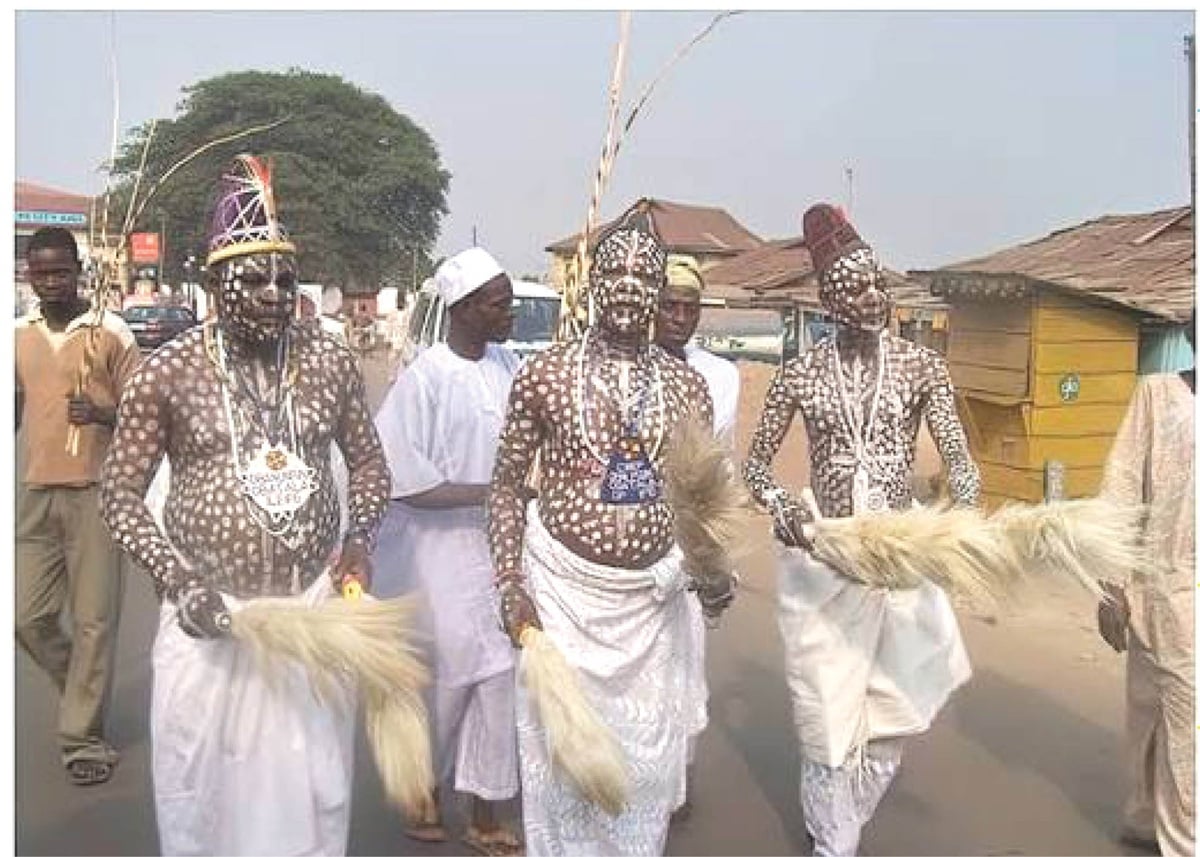
The next stage, Ofanran, also known as Idana-Olori, is devoted to prayer. On this day, the Igare chiefs, representing the Igbo in the festival’s historical narrative, dance ceremonially to the rhythm of the abebe, a traditional fan fashioned from elephant skin, as they make their way to the Ooni’s palace.
A major highlight follows when the Ooni emerges in simple ceremonial attire and leads a procession carrying a smouldering piece of firewood. Together with assembled chiefs, he invokes protection for the community through chants symbolically aimed at destroying death, disease and evil influences.
The festival continues with Omolarere, a quieter observance conducted mainly by the Ilari-Emese, the junior palace messengers. Although less elaborate than other stages, it forms an important preparatory link within the larger ritual sequence.
One of the most dramatic moments comes during Inasan, also known as Ina-Osan. This ceremony recreates the legendary defeat of the invading Igbo warriors through whom the people of Ife once suffered. Palace warriors known as Ogungbes emerge carrying blazing torches made from highly combustible palm materials. The fiery procession symbolises the strategy through which the enemies were eventually overcome and driven away.
The ritual is accompanied by strict taboos. Descendants of the legendary invaders, represented by the Oluyare, are forbidden from witnessing the torches. Only after the flames have been removed can they emerge to perform their own ceremonial obligations before the Ooni and his chiefs.
The Oluyare are distinguished by elaborate knitted raffia costumes known as iko, which tradition associates with the frightening appearance of the warriors described in the Moremi legend. While wearing the costume, participants remain silent, communicating only through gestures, thereby preserving the sacred character of the ritual.
The festival reaches its climax with Igbarubi-Edi, the final and most significant day of celebration. This concluding phase features the most important rites and centres on Chief Tele, the custodian entrusted with carrying the spiritual burden associated with the community’s collective purification.
For the people of Ile-Ife, the Edi Festival remains a living testimony to the enduring legacy of Moremi Ajasoro. Through its rich symbolism, sacred performances and communal participation, the festival continues to preserve Yoruba history while reinforcing the spiritual values that have shaped the ancient kingdom for centuries.
In an era of rapid modernisation, Edi stands as a reminder that cultural heritage is not merely remembered through stories but sustained through rituals, ceremonies and the collective commitment of a people determined to keep their history alive.
•Owojori is Principal Assistant Museums Education Officer 1, Education Department, National Museum, Ile Ife.
WATCH TOP VIDEOS FROM NIGERIAN TRIBUNE TV