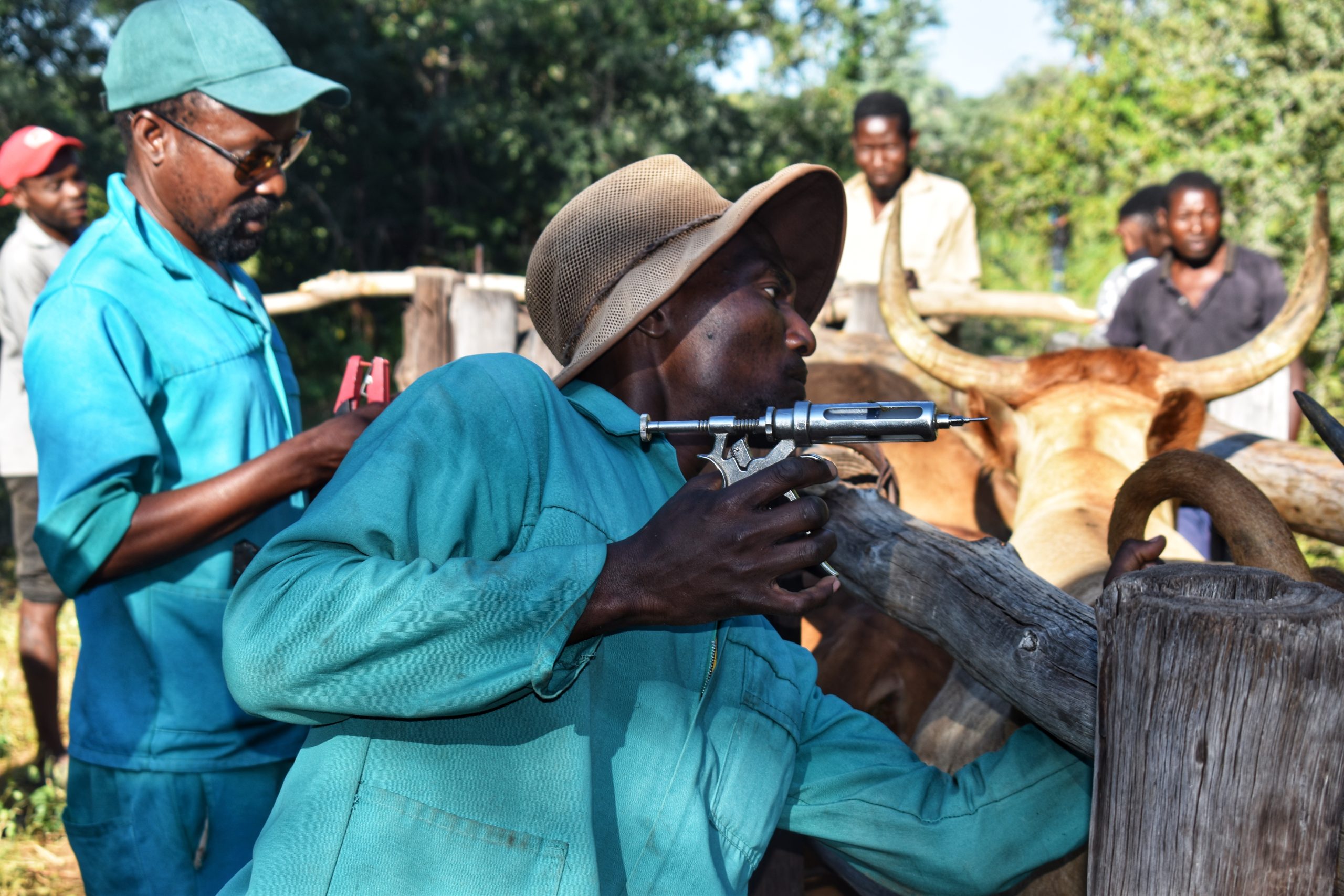
Livestock farmers in Zambezi have called on the University of Namibia (Unam) to continue to teach, research and offer free veterinary clinical services in the region.
The farmers made the call at a one-day regional animal health farmers’ day recently held by the university’s School of Veterinary Medicine at its Katima Mulilo Campus.
The event was held in collaboration with the University of Germany and other partners.
The event, which drew over 100 farmers, was aimed at promoting awareness and strengthening knowledge on animal health, disease prevention and control, as well as parasite and nutrition management.
It also served as a platform for farmers to engage directly with animal health professionals on vital matters affecting livestock production and animal welfare in the region, including practical knowledge.
“We had fruitful engagements. I’m happy Unam is extending its hand to the farmers at the best time of the year at no cost. We need more female veterinary doctors,” said George Sibuku.
Another farmer, Kenneth Masule, applauded Unam for the initiative, saying regular farmers’ engagements place livestock farmers in a better seat to drive the local agricultural economy as the knowledge the institution offers is scientifically proven, moving away from the old traditional methods known by many rural communities in the region.
Masule, however, bemoaned the hefty prices for animal medications, feeds and veterinary products that farmers endure daily compared to other towns, suggesting that Agra opens a branch in the town.
Dr Anna Marais, Associate Dean of the School of Veterinary Medicine, concurred with Sibuku, noting that there has been an increase in veterinary services in the region and that the institution will continue to teach, research and provide veterinary clinical services in line with its community services while engaging with other partners and stakeholders to improve the needs of many livestock farmers.
She emphasised the importance of timely intervention, with farmers urged to always monitor their animals closely and act quickly.
Acting Katima Mulilo Campus Director, Percy Mashebe, stated that prevention remains the most effective and affordable tool for every farmer, assuring that similar engagements will continue based on the farmers’ needs. -Nampa