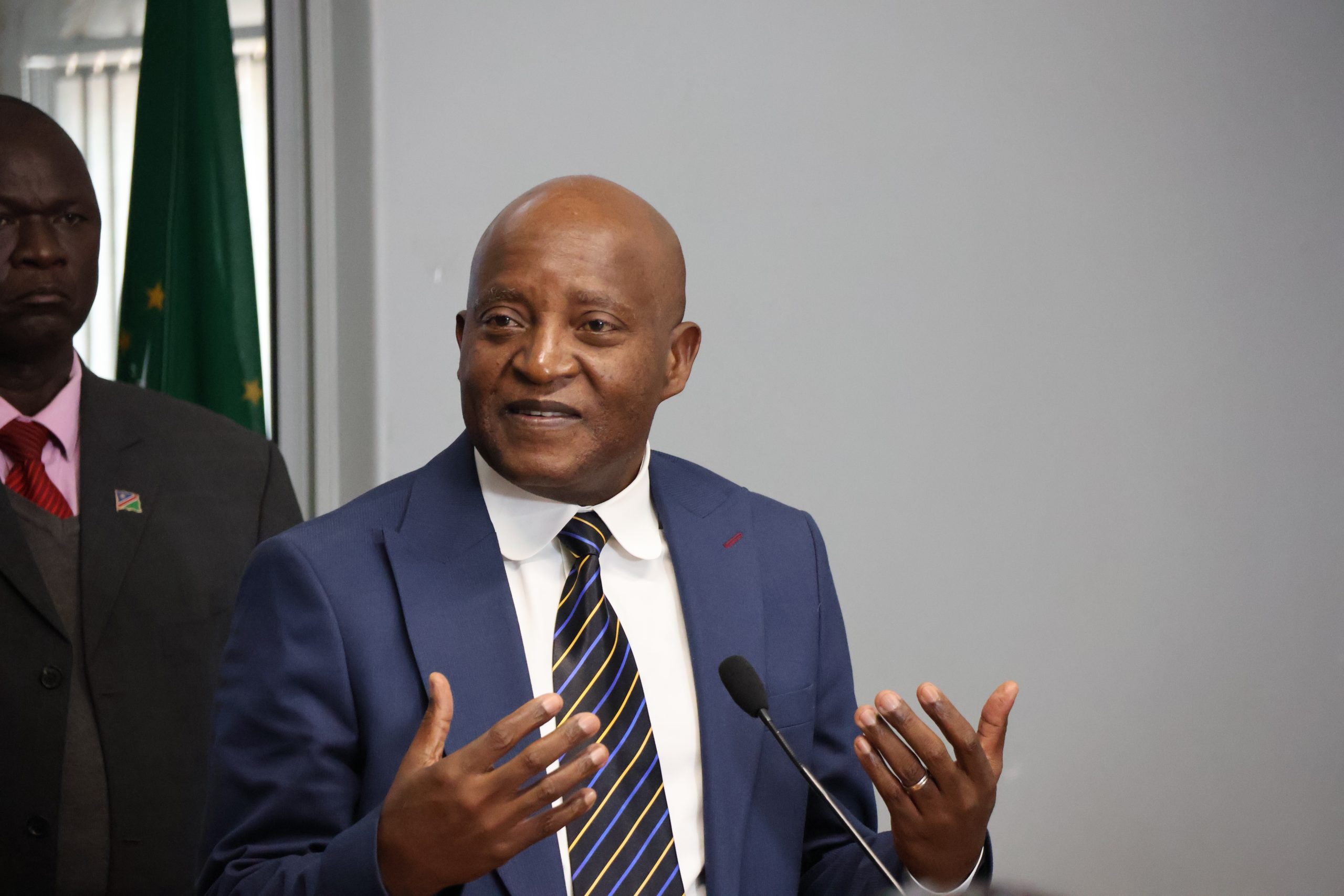
In a move to bolster local agriculture output and address the ongoing challenges faced by crop farmers, Prime Minister Elijah Ngurare announced a financial intervention aimed at supporting grain producers across the country.
Following recent consultations with local millers and producers, Ngurare said the government has allocated N$40 million to purchase grains directly from local millers through the Agricultural Marketing and Trading Agency (AMTA).
The money will be channelled through the ministries of finance and agriculture as part of a responsive measure to mitigate post-harvest losses and to ensure that farmers benefit from their efforts.
Namibia’s grain farmers have in recent months been experiencing severe challenges accessing reliable markets for their products, primarily caused by weak domestic processing value chains, insufficient decentralised storage networks, and a lack of integrated off-take coordination between public institutions and local producers.
While the country is targeting 80% national food self-sufficiency by 2030, a persistent pipeline disconnect means that successful harvests frequently result in local surplus waste rather than financial returns.
Major producing regions face a severe shortage of localised processing facilities. For instance, in the Zambezi region, grain farmers have reported harvesting substantial yields but are bottlenecked because only one active commercial miller is available to buy local grain.
Most farmers have reported harvesting substantial quantities of grain but are struggling to find buyers, raising fears over potential post-harvest losses.
The looming El Niño weather pattern poses severe threats to Namibia’s agricultural sector, primarily driving extreme agricultural drought, depleted grazing lands, and severe water scarcity across shared river basins.
These climate shocks directly threaten the livelihoods of thousands of farming families, with regional crop failures expected to heavily impact Namibia, which relies on imports for nearly 70% of its food needs.
Intervention
But Ngurare has since allayed the farmers’ concerns as he assured that all systems and processes are in place from the government’s side to procure all available grains and related products from local farmers countrywide to ensure an optimised harvest season.
“Many had a bumper harvest of grains this year, but unfortunately, they are struggling to sell their produce; that is why the government is intervening with this assistance. This support is part of the country’s broader drought relief programme, which aims to prepare Namibia for the anticipated El Niño weather phenomenon,” said the premier.
In addition to financial support, the government is taking proactive steps to integrate locally produced food into national school feeding programmes, as the education ministry has been instructed to incorporate locally sourced food into the school feeding scheme.
“Furthermore, we have instructed the Ministry of Education, Innovation, Youth, Sport, Arts and Culture to incorporate locally produced food into its school feeding programme requirements. Specifically, mahangu products should be included on the menus of school hostels in the Kunene, Omusati, Oshana, Oshikoto, Ohangwena, Kavango West and Kavango East regions, respectively,” he stated.
Ngurare emphasised the importance of these initiatives in the broader context of Namibia’s development and food security trajectory.
“Namibia’s current path towards economic freedom is underpinned by the gains of political freedom since 1990. Let’s continue working together to achieve food, water, and energy security, continuously aligning these goals with our NDP6 priorities, as directed by President Netumbo Nandi-Ndaitwah,” Ngurare noted.
He highlighted that as Namibia navigates the challenges posed by climate variability and economic development, these targeted interventions aim to strengthen local food systems and ensure sustainable growth for the nation.
–[email protected]