Rabat – The war in the Middle East enters its twentieth day under mounting tension, as strikes on key energy facilities raise the stakes far beyond the battlefield.
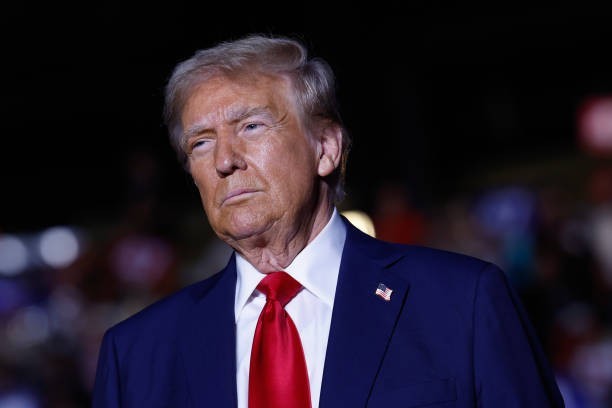
US President Donald Trump has issued a stark warning to Tehran, stating that any further attacks on Qatar could trigger direct US action against Iran’s gas sector.
In a message posted on Truth Social, Trump said Washington would respond with overwhelming force, even without coordination with Israel.
At the center of Trump’s threat is the South Pars gas field, a vast offshore reserve shared between Iran and Qatar. The site holds global strategic value, and any strike against it could disrupt energy markets far beyond the region.
Trump also confirmed that Israel carried out a strike on the Iranian section of the field on Wednesday. Yet he insisted that the US had no prior knowledge of the operation.
Tehran responded to the Israeli strike with force. Iranian strikes targeted the Ras Laffan industrial zone, the core of Qatar’s liquefied natural gas production. The site, operated by QatarEnergy, reported heavy damage after renewed attacks early Thursday.
Authorities said fires broke out at the facility but were brought under control later in the morning. No casualties have been reported, yet the damage raises concerns over possible disruption to global gas supplies.
Ras Laffan is the largest LNG production hub in the world, and Qatar ranks as the second-largest exporter of liquefied natural gas after the US.
Any sustained damage to this infrastructure could place pressure on international energy markets already on edge.
The impact has not remained confined to Qatar. In the United Arab Emirates, officials in Abu Dhabi shut down a gas facility after missile debris fell following interceptions, a sign that the confrontation is now dangerously trickling down across the Gulf.
Qatar’s foreign ministry condemned the attacks, stating that they crossed all red lines by targeting civilians and critical infrastructure.
The escalation traces back to the offensive launched on February 28 by US and Israeli forces against Iran. Since then, the confrontation has shifted toward strategic economic targets, with energy sites emerging as primary pressure points.
Oil markets reacted immediately. Brent crude rose above $112 per barrel on Thursday, as fears of supply disruption returned to the forefront.
The Gulf remains a vital artery for global energy, and any instability there carries immediate international consequences.