Overview:
The Palau Health Care Fund is seeking full independence from the Social Security Administration. After 16 years of joint management, HCF leaders say the program is ready to stand on its own, with a new Senate bill under review to create an autonomous administration.
By: Eoghan Olkeriil Ngirudelsang
Koror, Palau (Feb. 17, 2026) — “The Health Care Fund committee proposes complete separation of the health fund from the Social Security Administration, creating an autonomous Health Care Fund administration,” wrote Dr. Victor Yano, chairman of the HCF governing board, in a recommendation letter to the Senate.
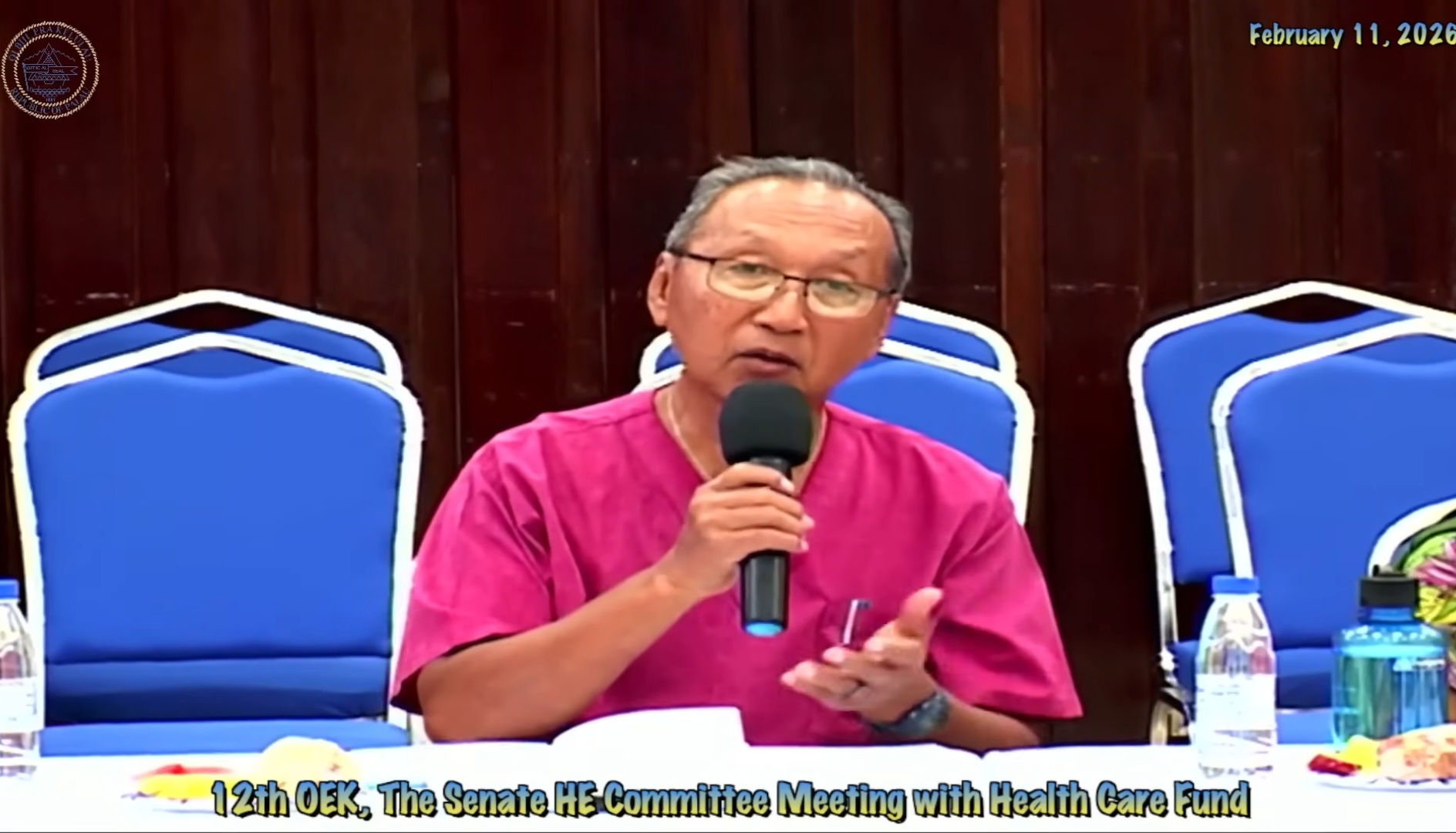
The call for total separation of the Health Care Fund (HCF) from the Social Security Administration (SSA) was formally presented during a Senate oversight hearing last Wednesday. The hearing, conducted by the Senate Health Committee alongside HCF officials, focused on advancing Senate Bill No. 12-40, which seeks to establish HCF as an independent agency.
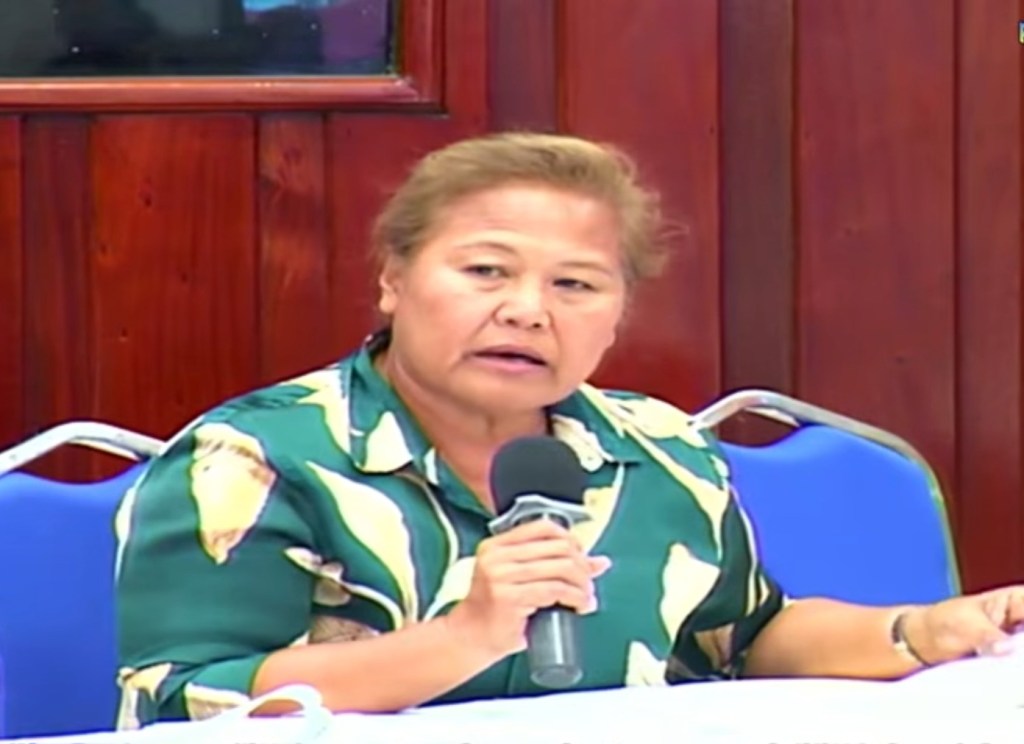
Current status of the Palau HealthCare Fund under Social Security Administration and what they seek to do, to separate from Social Security Administration.
The bill, first read in the Senate in October 2025, had stalled amid debates over a controversial national budget. Senator Kuartei said the measure has resurfaced following Yano’s push for the HCF board’s recommendations to be acted upon.
Yano explained that, after 16 years since its creation, HCF is now capable of standing on its own and fully executing its legal mandate. Reasons cited for the separation include the need for an independent administrator and greater operational autonomy.
Mary Frances Vogt, HCF committee member, emphasized the risk of relying on SSA leadership. “A single Administrator hired by the SSA board oversees both agencies. In the past, when the Administrator was removed by the SSA board, HCF was left vulnerable without needed management,” she said.
Under current SSA regulations, payments collected from employers are prioritized for SSA obligations before HCF contributions. Andreas, manager of SSA’s Employer Services Section, explained, “Regulations dictate that all payments received by SSA must first prioritize Social Security payment. For example, when an employer goes to SSA to make employer and employee contributions, the system requires their payments first fulfill SSA obligations before any payments are directed to HCF.”
Despite readiness for total separation, HCF recommended that the SSA administrator remain on its governing committee as an asset, given his role in overseeing Palau’s social security program. The HCF also suggested that legislation enabling separation exclude collection methods, allowing the fund to establish its own system. They proposed granting HCF powers similar to SSA, including the ability to impose penalties and fines for delinquent payments.
Senator Nakamura asked whether separation would require additional congressional funding. HCF manager Jarela Ngiraked said there are no anticipated new costs. Currently, HCF pays SSA $325,000 for administrative services, including collection, accounting, and IT support. After separation, Ngiraked noted, the fund’s eight administrative positions are expected to cost about $260,000, which falls within the existing budget. By law, HCF’s administrative expenses cannot exceed 10% of its collections.
A similar proposal, House Bill No. 11-15 HD1, was introduced years ago but did not advance. Senator Kuartei assured the Senate would review the earlier bill alongside the HCF’s current recommendations to move the legislation forward.
HealthCare Fund (HCF) is Palau’s national health insurance program, established by law in 2010 as the National HealthCare Financing Act. It consists of two programs: the National Health Insurance (NHI) and the Medical Savings Account, with mandatory contributions from earned income. NHI served as a universal health insurance fund, and MSA serves as a personal medical savings fund that contributors and their beneficiaries use for outpatient medical expenses.
Like this:
Like Loading…