The way professionals build their careers has changed significantly over the past decade. Career progression is no longer determined solely by years of experience or technical expertise. As responsibilities grow, professionals may be expected to lead teams, think strategically, understand financial performance and respond to change with confidence.
At the same time, the workplace is becoming more specialised. A marketing professional moving towards a senior role may need a broader understanding of business strategy. Someone managing projects may find that technical expertise alone is not always enough when decisions involve budgets, people and organisational priorities.
This is changing the way many professionals view postgraduate education. The question is no longer simply whether to pursue an MBA. It is also about what the qualification represents and how it connects with a professional’s intended career direction.
Professional recognition has therefore become an important part of that conversation. An MBA that combines broader business knowledge with a specialist pathway recognised by a relevant professional body may offer a different kind of value for professionals considering their next step.
At the same time, taking a career break to pursue postgraduate education is becoming increasingly difficult. Financial commitments, family responsibilities and demanding work schedules mean that leaving full-time employment to study is simply not an option for many.
For many working professionals, pursuing an MBA often comes with a difficult choice. They may want to strengthen their business and leadership capabilities, but stepping away from work to study may not be practical.
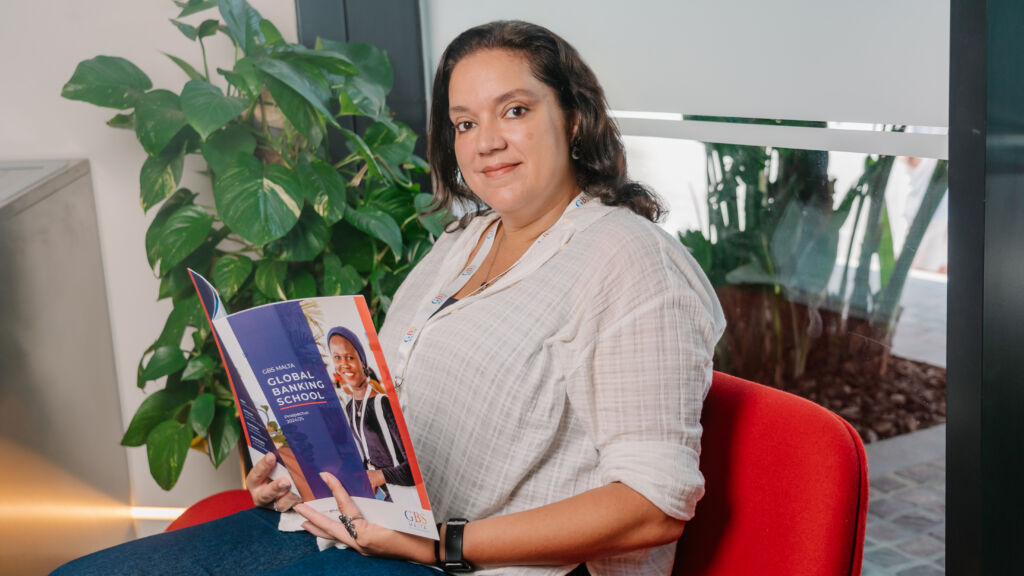
This is why GBS Malta offers a Part-Time MBA designed around the realities of working professionals. The programme enables students to continue their professional commitments while pursuing postgraduate education, combining the flexibility they may need with specialist pathways and recognised professional accreditation.
But flexibility is only one part of the proposition. For professionals considering an MBA, the value of the qualification may also depend on how it connects with their chosen field, whether it reflects recognised industry standards and how the learning may fit into their wider career plans.
Key takeaways
- Flexible MBA study is becoming increasingly relevant for working professionals who want to continue developing their careers without stepping away from employment.
- Professional recognition can add another dimension to an MBA qualification, particularly for professionals looking to develop expertise in a specific area alongside broader business and leadership knowledge.
- Specialist MBA pathways in Marketing Management and Project Management at GBS Malta are supported by professional recognition from CIM and APM, connecting postgraduate study with recognised standards in these fields.
- Eligible graduates may also benefit from Malta’s Get Qualified Scheme, which allows qualifying graduates to claim back up to 70% of eligible tuition fees through tax credits, subject to the scheme’s terms and conditions.
- The value of a flexible MBA may lie in how well it fits into a professional’s longer-term career direction, combining continued employment, business education, specialist development and recognised professional pathways.
Malta’s evolving economy is reshaping professional expectations
Malta has developed into a diverse business environment, with activity across financial services, technology, healthcare, professional services, aviation, hospitality, gaming and digital industries.
According to Eurostat, Malta recorded the highest employment rate in the European Union in 2025, with 83.6% of people aged between 20 and 64 in employment, compared with an EU average of 76.1%. The country also recorded the highest employment rate for recent graduates in the EU at 91%.
Strong employment figures, however, tell only part of the story.
A competitive labour market may also mean that professionals need to continue developing their capabilities as they take on broader responsibilities. Employers may increasingly value individuals who combine technical expertise with commercial awareness, strategic thinking and the ability to manage people, projects and organisational change.
This growing need for broader business capability is one reason postgraduate education is becoming relevant to professionals at different stages of their careers.
Continuous learning has become part of professional life
There was a time when postgraduate education was largely associated with recent graduates or professionals taking a planned break from work. Today, that pattern is changing.
Increasingly, professionals are returning to education after several years in employment, often with specific career objectives in mind.
Some may be preparing for leadership responsibilities within their current organisations. Others may be looking to move into project management, marketing or broader business functions. Some may simply recognise that the workplace continues to change and that staying relevant may require new knowledge and perspectives.
The challenge is that professional responsibilities rarely pause to accommodate study.
Careers continue. Businesses continue to operate. Personal commitments remain.
For many professionals, the ability to combine education with employment has therefore become almost as important as the qualification itself.
This is one reason the idea of an MBA for working professionals has gained greater relevance. Rather than viewing education and career progression as separate stages, flexible study may allow professionals to develop both at the same time.
Flexibility can support more than work-study balance
The growing interest in a part-time MBA in Malta is often linked to convenience. But the value of flexibility may go further.
Studying while working can create opportunities to connect academic concepts with situations already happening in the workplace.
A discussion around leadership may prompt a professional to reflect on how they manage their own team. Financial concepts may offer a different perspective on commercial decisions. Project management principles may become relevant to ongoing work rather than remaining theoretical.
This connection between study and professional experience can make postgraduate education feel more immediate.
It may also create a useful cycle. Professionals bring their workplace experience into the learning environment, consider different perspectives and then reflect on how those ideas could apply to their professional context.
Balancing work and postgraduate study can also require organisation, resilience, communication and time management. These are capabilities that may become increasingly relevant as professionals take on broader responsibilities.
Why the qualification itself is becoming part of the decision
For working professionals, time is a significant investment.
Choosing to pursue an MBA may involve balancing professional responsibilities, personal commitments and academic work over an extended period. As a result, many professionals are looking more closely at what sits behind the qualification.
This may include questions such as:
- Does the programme offer a pathway into a specialist area?
- Is the curriculum relevant to the realities of a particular profession?
- Does the programme hold recognition from a relevant professional body?
- How might the qualification fit into a longer-term career plan?
These questions are helping reshape the way professionals assess postgraduate education.
A flexible study format may make an MBA more manageable, but the combination of business education, specialist development and professional recognition may provide a stronger reason to make the commitment in the first place.
Part-time MBA with recognised professional pathways
GBS Malta’s Part-Time MBA reflects this changing approach to postgraduate education.
Designed for working professionals, the programme allows students to pursue an MBA while continuing with their professional commitments. However, the programme’s value extends beyond flexibility alone.
Students can choose from specialist pathways in Marketing Management and Project Management, allowing them to connect broader business education with a more focused area of professional development.
This is where professional recognition becomes particularly relevant.
The MBA in Marketing Management is accredited by the Chartered Institute of Marketing (CIM), while the MBA in Project Management is accredited by the Association for Project Management (APM).
For professionals considering their next step, these accreditations may add another dimension to the decision. Rather than simply choosing between a general MBA and continuing in their existing role, they can consider how postgraduate study may connect with recognised professional standards in their chosen field.
For eligible graduates, Malta’s Get Qualified Scheme may add a further financial consideration. Under the scheme, qualifying graduates may claim back up to 70% of eligible tuition fees through tax credits, subject to the applicable terms and eligibility requirements.
Taken together, flexibility, specialist pathways and professional recognition create a proposition centred around a question many working professionals are now asking:
How can postgraduate education fit into my career rather than interrupt it?
For professionals considering their next step, the decision may come down to more than finding a programme that fits around work. It is also about choosing a qualification that reflects where they want their career to go, the capabilities they want to develop and how they can apply their learning in a professional context.
A Part-Time MBA can provide the space to continue building on existing experience while developing a broader perspective on business, leadership and strategic decision-making.