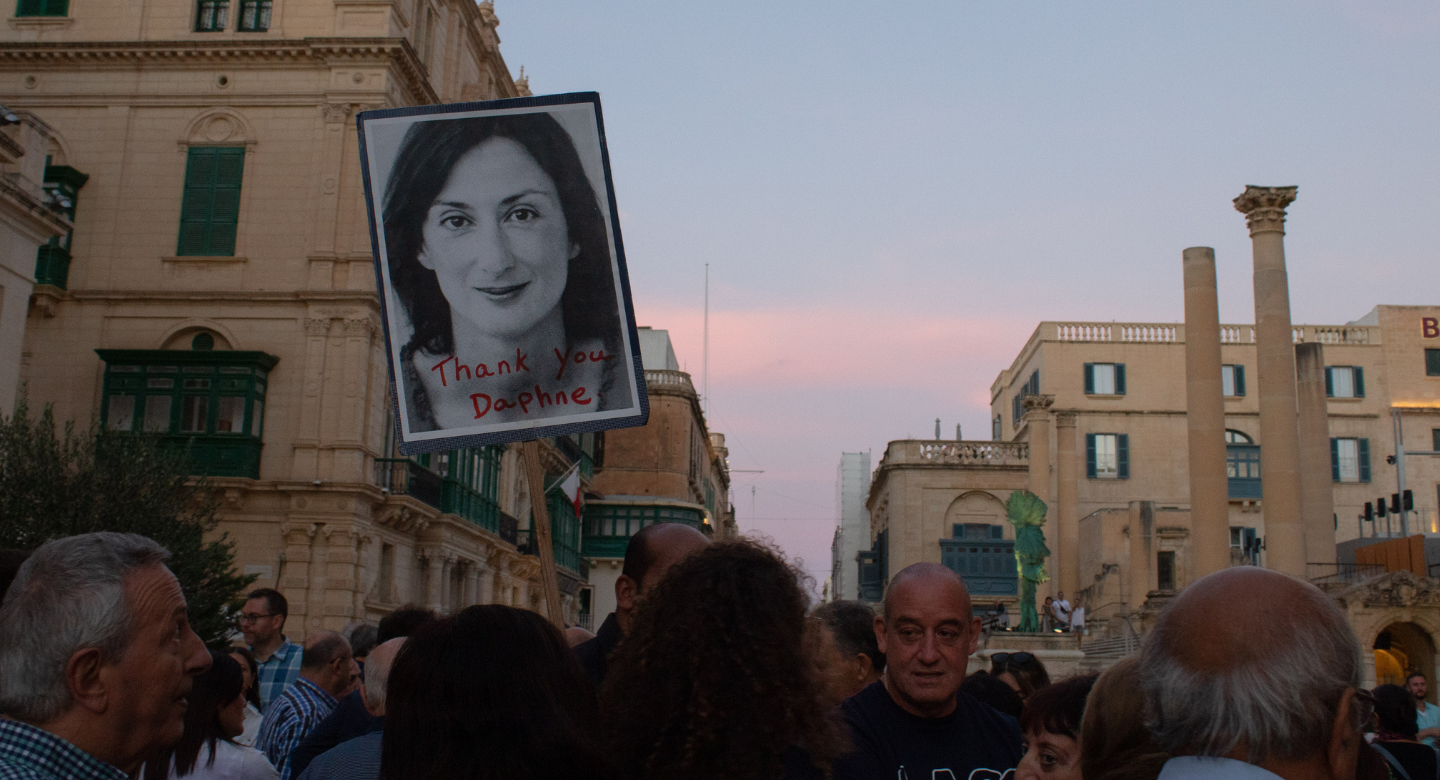
A previously unknown name allegedly linked to the assassination of journalist Daphne Caruana Galizia surfaced during the fifth week of Yorgen Fenech’s jury trial as prosecutors continued presenting documentary and forensic evidence before the Criminal Court.
The most notable development came when the jury was shown correspondence from Italian prosecutors in Catania, included among documents exhibited by Assistant Registrar Stephania Calafato Testa.
According to the letter, an individual identified as businessman Alexander Azzopardi allegedly was recorded stating that he had arranged for €35,000 to be paid through Mario Fava towards the assassination of Daphne Caruana Galizia and referred to an alleged overall payment of €4 million.
The contents of the letter were read out in court as part of the prosecution’s documentary evidence.
The allegations originate from correspondence sent by the Italian authorities and were introduced during the trial as part of the evidence before the jury.
The emergence of Azzopardi’s name marks the first time that the individual has featured during the jury proceedings, adding another strand to the complex web of evidence that has unfolded over the past five weeks.
No details were given on the identity of Mario Fava except that, according to Italian prosecutors, he was a consultant to disgraced former Prime Minister Joseph Muscat.
Apart from the Italian correspondence, Monday morning’s sitting was largely dominated by technical evidence.
A Europol digital forensic expert testified about the extraction and analysis of electronic devices seized during searches at Portomaso and the Tumas Group offices following Fenech’s arrest in November 2019.
Jurors questioned one device that appeared either to have been factory-reset or never used. However, the forensic expert explained that it was impossible to determine which of the two scenarios applied.
Proceedings later moved behind closed doors when the head of the Malta Security Service took the witness stand. The prosecution requested that the testimony be heard in camera because of the sensitive nature of the evidence, prompting the court to order the media and the public to exit the courtroom.
No details of that testimony could be reported so far.
Fenech, the former Tumas Group director, is charged with complicity in the murder of Daphne Caruana Galizia. He has pleaded not guilty to all charges.