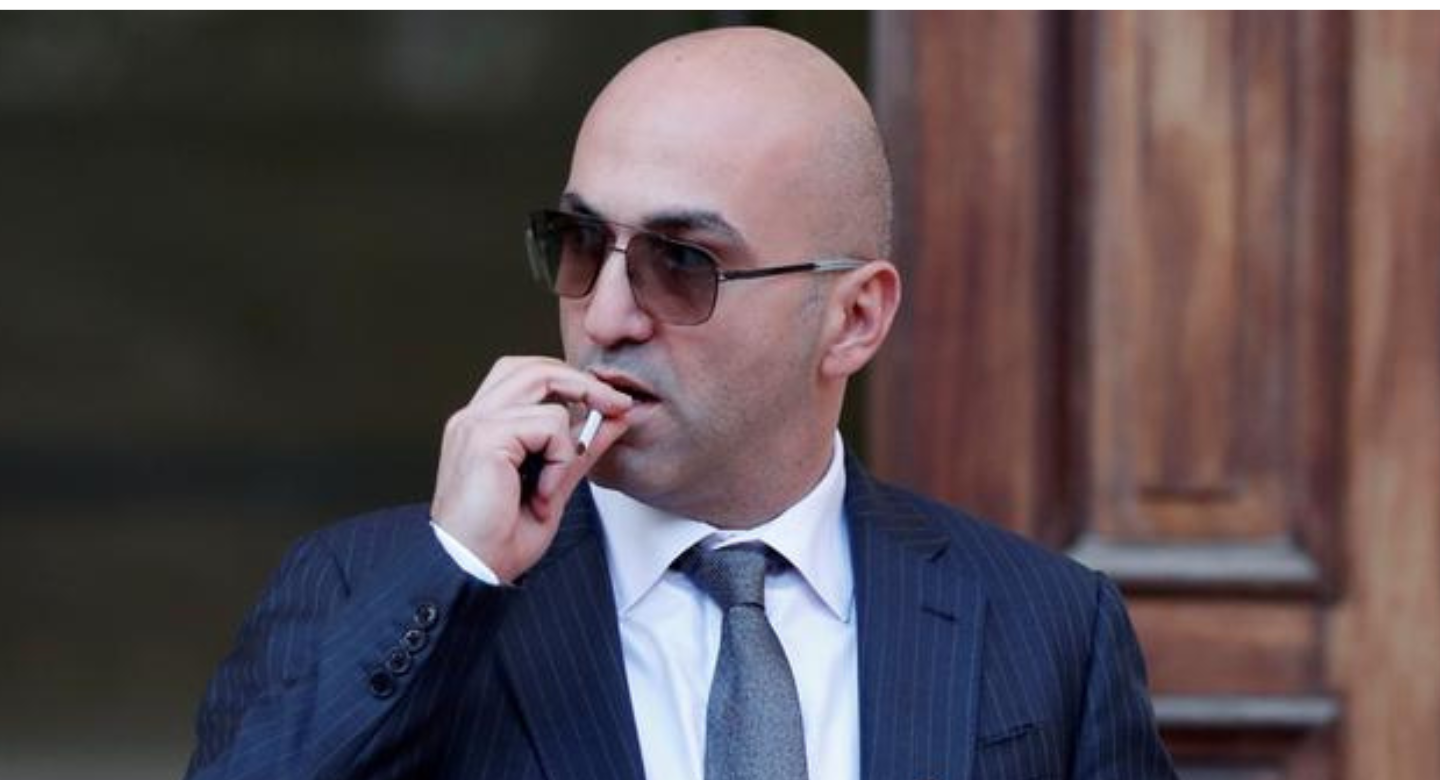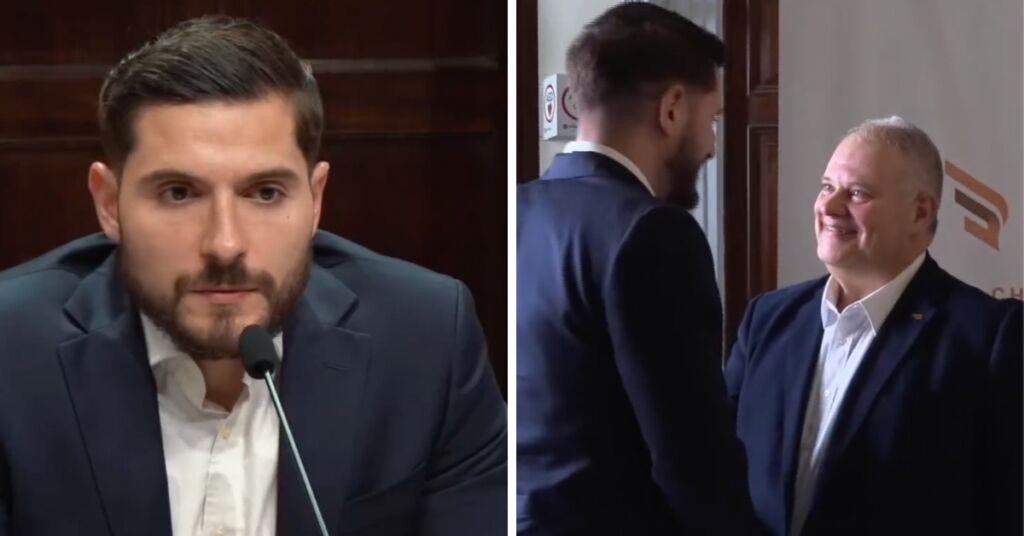
Disgraced former prime minister Joseph Muscat’s former chief of staff Keith Schembri continued his marathon testimony before the Yorgen Fenech murder jury on Wednesday, rejecting every allegation put to him by prosecutors while remaining unable to explain the disappearance of the personal mobile phone that investigators have not traced since his arrest in November 2019.
The second day of Schembri’s evidence was marked by a series of blanket denials as he sought to distance himself from accusations that he was involved in the murder plot, that he leaked confidential information from the murder investigation, helped Fenech evade justice or played any improper role in the events leading up to the arrest of the businessman accused of complicity in the assassination of journalist Daphne Caruana Galizia.
Under sustained questioning, Schembri denied passing sensitive police information to Fenech, insisted he never attempted to obstruct the investigation and rejected claims that he used family doctor Adrian Vella as an intermediary to pass messages or documents to the murder suspect while he was in custody.
Schembri maintained that Vella merely acted as his personal physician and dismissed suggestions that the doctor had been used as a courier between himself and Fenech.
However, one of the most striking aspects of Wednesday’s testimony concerned the long-missing mobile phone that investigators never recovered.
Questioned about the device, Schembri insisted he did not know what had happened to it, repeating that he had simply lost the phone. He denied deliberately destroying or concealing it from investigators, but was unable to explain how such an important device vanished at one of the most critical moments of the investigation.
The issue has become increasingly significant during the trial after jurors heard evidence earlier this week where a police scene-of-crime officer also testified that investigators searching Schembri’s home were instructed to seize only electronic devices identified by Schembri himself after police consulted lead investigator Keith Arnaud. Jurors heard that two mobile phones visible in photographs taken during the search were not seized because they were instructed to take only what Schembri indicated to them.
The disappearance of the device has remained one of the enduring mysteries surrounding the police investigation, particularly given evidence that it was active shortly before Schembri’s arrest but has never resurfaced.
Wednesday’s proceedings also revisited Schembri’s long-standing friendship with Fenech.
Schembri acknowledged that the two were close friends and confirmed they spoke frequently and met regularly, but insisted this personal relationship never crossed into criminal conduct.
He also repeated that he had urged Fenech not to flee Malta as police closed in on the businessman in November 2019, arguing that escaping would only reinforce suspicions against him.
Schembri further denied having any involvement in the granting of a presidential pardon to middleman Melvin Theuma and rejected allegations that he had manipulated the investigation from within government.
Throughout hours of testimony, Schembri maintained that prosecutors had failed to produce any evidence linking him to the murder conspiracy or to any attempt to derail the investigation.
For prosecutors, however, the missing mobile phone remains one of the unresolved questions at the heart of the case. Despite Schembri’s repeated insistence that he simply lost the device, no satisfactory explanation has emerged as to how the phone disappeared or why investigators were never able to recover what could have been a crucial source of evidence.
Schembri is expected to be asked more questions on Thursday.