IRAN on Monday confirmed Mojtaba Khamenei as the successor to his father, the late Supreme Leader, signalling that the nation’s hardline faction remains firmly in control and closing off prospects for a rapid resolution to the ongoing Middle East conflict.
Reuters reported on Monday that the appointment has compounded global anxieties over energy security, sending oil prices soaring and international stock markets into sharp declines.
The conflict has intensified with Israel launching air strikes against what it described as “regime infrastructure” in central Iran, while simultaneously targeting Hezbollah positions in Lebanon.
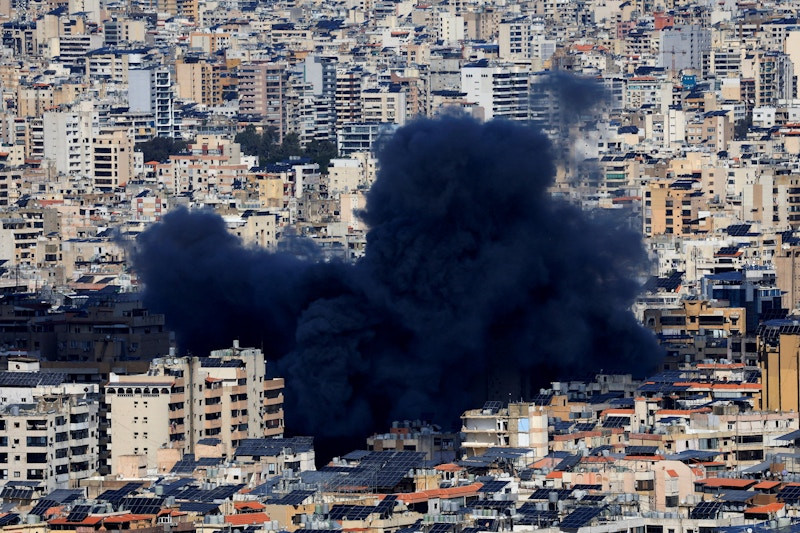
Israeli forces reported operations in Beirut’s Dahiyeh neighbourhood, a stronghold of the Iranian-backed group, and conducted an overnight raid in southern Lebanon, aimed at dismantling militant infrastructure.
The Israeli military also reported that Iran had launched missile barrages toward Israel, triggering air raid sirens and activating air defence systems.
A 40-year-old man was killed in one of the Iranian missile strikes in central Israel, bringing the death toll in Israel since the outbreak of hostilities to 11.
Iranian media, including the semi-official Tasnim news agency, confirmed a fourth wave of missile launches toward Israel within the past hour, signalling an escalation of Tehran’s retaliatory operations.
U.S. President Donald Trump, while not commenting directly on the appointment, had previously dismissed Mojtaba Khamenei as an acceptable leader for Iran.
Speaking aboard Air Force One, he said negotiations were not being sought and suggested that military actions might render potential Iranian leadership moot.
“We have a lot of negotiating leverage, maybe maximum, but we’re not looking to settle. They’d like to settle. We’re not looking to settle,” Trump said. “They’re on their third or fourth level of leadership. And they have leaders right now that nobody even knows who they are.”
The situation is also disrupting global oil supplies.
A French government source indicated that G7 finance ministers would discuss the possible joint release of emergency oil reserves during a meeting on Monday.
The Strait of Hormuz, a critical shipping corridor through which around a fifth of the world’s oil flows, has become a flashpoint.
Lying between Oman and Iran, the strait narrows to just 21 miles (33 km), with shipping lanes only two miles wide in either direction.
More than 20 million barrels of crude, condensate, and fuels passed through the strait daily last year, according to data from analytics firm Vortexa.
Iran’s threats to fire on passing tankers, coupled with the ongoing conflict, have severely disrupted exports from key oil-producing nations.
OPEC members including Saudi Arabia, Iran, the United Arab Emirates, Kuwait, and Iraq rely heavily on this route to ship crude, primarily to Asia.
Iraqi oil exports from its southern fields have fallen by 70 per cent to just 1.3 million barrels per day, industry sources reported, as war-related restrictions prevent shipments via the Strait of Hormuz.
The appointment of Mojtaba Khamenei, combined with ongoing hostilities in Iran and Lebanon, underscores the risk of prolonged instability in the Middle East and continued volatility in global energy markets. – March 9, 2026